What Makes Mandheling Coffee So Bold and Blended?
If you’ve ever sipped a dark, smoky, spicy cup and wondered where that thick body and deep sweetness come from, chances are you were drinking a coffee with Mandheling in the blend. Grown exclusively on the Indonesian island of Sumatra, Mandheling coffee isn’t just another origin—it’s a cornerstone of full-bodied, low-acid brews known for their earthy intensity and unexpected sweetness.
Mandheling coffee comes from the highlands of Sumatra—mainly from the districts of Lintong and Gayo—and is celebrated for its bold, rich profile. With flavors of spice, wood, and molasses, it’s usually dark roasted and often used in blends. But it’s also great as a single origin. That full flavor? That’s no accident.
Where Mandheling Coffee Comes From
Mandheling coffee is grown in the mountainous regions of Sumatra, Indonesia, primarily at altitudes between 750 and 1,500 meters. The two most respected producing areas are Takengon and Sidikalang, with Lintong being the historic heartland. The region’s unique environment—lush, high-altitude, and rainy—combined with traditional processing gives Mandheling its unmistakable profile.
The Birth of a Coffee Legend
The name “Mandheling” doesn’t refer to an ethnic group or a cooperative, but it became synonymous with high-quality Sumatran coffee. By the 1990s, its reputation had reached global markets. In 1995, Japan’s UCC Ueshima Coffee—the country’s largest coffee company—partnered with local grower PT Gunung Lintong to establish their first Asian coffee plantation, underscoring Mandheling’s importance in the global coffee trade.
Why Mandheling Tastes So Bold
Sumatran coffees, especially Mandheling, are known for their low acidity, heavy body, and complex flavors including spice, wood, tobacco, and sometimes even sweet molasses or dark chocolate. These traits come from both the growing environment and the unique wet hulling (also called wet parchment or Giling Basah) process. Unlike standard washed or natural methods, wet hulling removes the parchment layer when the beans are still semi-dry, accelerating drying but also embedding intense, earthy characteristics into the bean.
The Wet Hulling (Giling Basah) Process
Because Sumatra’s frequent rain makes sun drying risky, farmers use a localized method:
- After harvest, coffee cherries are depulped and briefly fermented.
- The beans (still in their mucilage) are washed and then partially dried to around 30–50% moisture.
- Before fully drying, the outer husk (parchment) is removed while the beans are still soft and moist.
- The beans are then spread out to dry completely on patios or tarps.
This process contributes to Mandheling’s signature heavy mouthfeel, low acidity, and deep, rustic flavors—often described as earthy, spicy, or even herbal.
Lintong vs. Gayo: Two Mandheling Styles
Though both come from northern Sumatra, Mandheling beans from the Lintong region near Lake Toba and those from the Gayo highlands (Aceh) offer different profiles:
- Lintong Mandheling (traditional): Processed with wet hulling, these beans yield a bold, spicy, woody cup with low acidity, thick body, and hints of clove or pipe tobacco. Best enjoyed dark roasted.
- Gayo Mandheling (emerging): Often slightly cleaner and brighter, with more floral or fruity notes depending on processing. Still bold, but with a more nuanced acidity.
The Rise of the PWN Golden Mandheling
Among all Mandheling coffees, the PWN Golden Mandheling stands apart. Produced by Indonesia’s PWN cooperative under extremely strict quality controls, it’s graded as G1 (the highest Sumatran grade) with fewer than 3 defects per 300 grams. Every lot undergoes three rounds of manual sorting to remove any imperfect beans. The result? Exceptionally clean cupping notes, pronounced sweetness, and a smoother profile than typical Mandheling—even while retaining its signature depth.
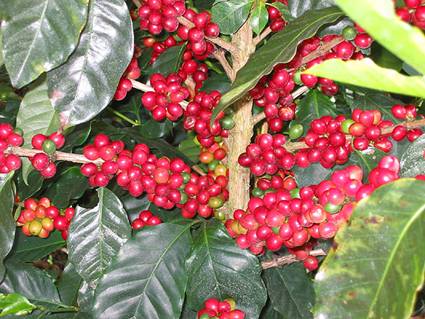
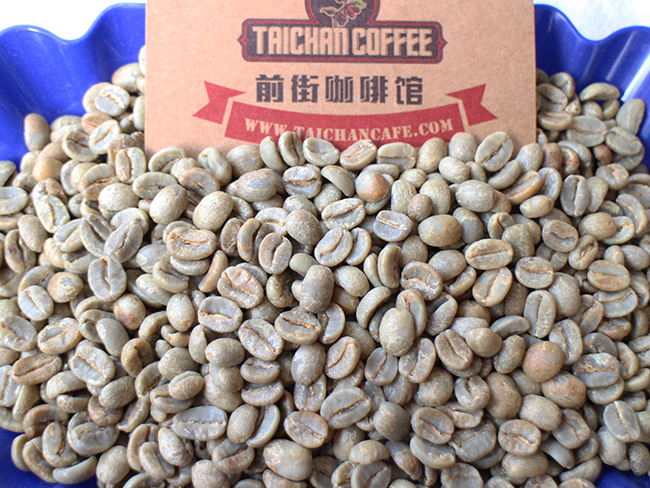
FrontStreet Coffee offers its own version of Lintong Mandheling, processed with the traditional wet hulling method. It delivers a rich, syrupy body, prominent spice and wood notes, and a thick, lingering finish. Ideal for dark roasts, it features classic Mandheling traits: cloves, herbs, and a strong, sweet aftertaste. This is the Mandheling that built reputations—and blends.
Frequently Asked Questions
What is Mandheling coffee?
Mandheling is a trade name for high-quality Arabica coffee grown in the highland regions of Sumatra, Indonesia—primarily in Lintong and Aceh (Gayo). It’s known for its full body, low acidity, and earthy, spicy, or woody flavors.
Why is Mandheling used in coffee blends?
Mandheling’s bold, rich, and low-acid profile makes it a perfect base or complement in blended coffees. Its earthy and spicy notes add complexity and body, especially in espresso or dark roast blends.
What does Mandheling coffee taste like?
Expect a heavy body, low acidity, and flavors like clove, wood, molasses, tobacco, or dark chocolate. The taste is bold, sometimes herbal or spicy, and often sweet on the finish.
What is wet hulling and how does it affect Mandheling?
Wet hulling (Giling Basah) is a Sumatran processing method where parchment is removed before the bean is fully dry. This creates Mandheling’s signature heavy mouthfeel, earthiness, and reduced acidity.
What’s the difference between Lintong and Gayo Mandheling?
Lintong Mandheling is traditionally bold, spicy, and woody with a thick body. Gayo Mandheling can be slightly brighter, sometimes with more floral or fruit notes, though still full and bold overall.
What is PWN Golden Mandheling?
PWN Golden Mandheling is a premium-grade Mandheling with strict quality control—fewer than 3 defects per 300g. It’s hand-sorted multiple times, resulting in a cleaner, sweeter cup while maintaining Mandheling’s signature depth.
Recommended FrontStreet Beans for Bold Sumatran Flavor
For a true taste of Mandheling’s signature profile, try FrontStreet Coffee’s Lintong Mandheling. Processed with traditional wet hulling, it offers a thick body, deep spice and wood notes, and a lingering sweet finish. It’s ideal for dark roasts and a key component in classic Sumatran-style blends. Also consider exploring single-origin options to experience the earthy richness firsthand. Freshly roasted within 5 days · Orders placed before 17:00 ship the same day · Next-day delivery across most of Guangdong Province.
FrontStreet Coffee is a long-established specialty coffee roaster in Guangzhou China, selling freshly roasted beans from its own farm in Yunnan as well as dozens of carefully selected single-origin beans from around the world for both pour-over and espresso. The products deliver consistently excellent quality and great value, with shipping within 24 hours. Guangzhou's FrontStreet Coffee shop is recommended by many coffee lovers, and the beans are now available online at the Tmall 。
Important Notice :
前街咖啡 FrontStreet Coffee has moved to new addredd:
FrontStreet Coffee Address: 315,Donghua East Road,GuangZhou
Tel:020 38364473