How to Hand-Sort Green Coffee Beans Like a Pro
Buying green coffee beans isn’t as simple as picking the shiniest bag off the shelf. Even among premium offerings, poor-quality beans—discolored, misshapen, or damaged—can ruin your roast. Whether you’re a roaster or home enthusiast, knowing how to visually assess green beans is critical to consistent results. So how do you spot the good ones from the bad?
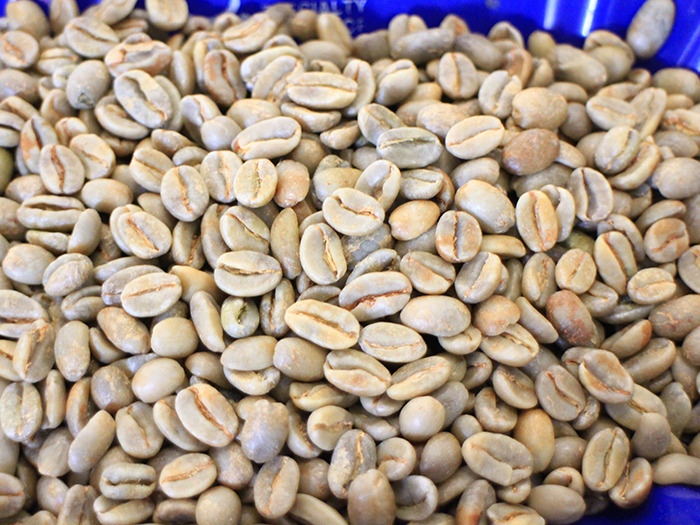
High-quality green coffee beans should have a uniform color, consistent size, and a clean surface free of defects. Color variation, uneven sizing, or visible flaws like insect damage or black spots indicate lower quality or improper processing.
What Makes a Green Coffee Bean 'Good'?
Fresh, high-grade green beans exhibit a natural sheen on the surface. Proper processing results in even coloration—avoid beans with blotchy or inconsistent hues. Uniform bean size is another key marker of quality control. Inconsistent sizes lead to uneven roasting: smaller beans may roast too quickly and taste sour, while larger ones risk underdevelopment and bitterness.
Consistent bean size ensures even heat penetration during roasting, leading to balanced flavor development. A batch with mixed sizes often yields uneven cups—some overly bitter, others too acidic.
How Coffee Beans Are Graded
Coffee beans are graded by origin-specific standards, primarily based on size and shape. Higher grades indicate better quality. In many markets, including parts of China, lower-grade futures beans dominate the supply—often riddled with defects. These flawed beans can significantly impact cup quality.
Common defects include:
- Primary defects (severe): Black beans, sour beans, insect-damaged beans, fungus-damaged beans, large stones, and pods.
- Secondary defects (moderate): Broken beans, shells, hulls, chipped beans, floater beans, immature beans, withered beans, over-fermented beans, and insect stings.
Inspecting Panamanian SHB Caturra from Finca Ireta
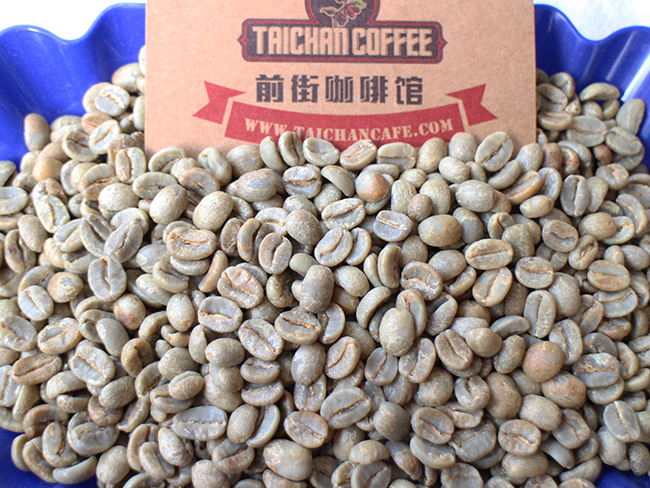
This lot hails from Finca Ireta in Panama’s Santa Clara region, grown at an average altitude of 1,600 meters above sea level. The estate processes its Caturra variety using the washed method, resulting in a SHB (Strictly Hard Bean) grade—reserved for beans grown at higher elevations with denser structure.
The washed process enhances clarity and cleanliness in the cup. Key tasting notes include creamy bread, almond-like sweetness, and a rounded acidity. These attributes start at origin—with uniformly sized, defect-free beans.
Finca Ireta Details:
- Country: Panama
- Grade: SHB
- Region: Santa Clara
- Altitude: 1,600 masl
- Process: Washed
- Variety: Caturra
- Flavor Profile: Creamy bread, almond sweetness, round acidity
Panama’s coffee story began in 1780 when European settlers introduced Typica trees. Over time, the country developed a reputation for bright, balanced, and complex coffees—many of which are exported to Europe. The Geisha variety, popularized by Hacienda La Esmeralda, elevated Panama’s global status and led to the country hosting one of the earliest and most prestigious coffee auctions.
Panama’s Coffee Regions
Beyond Santa Clara, Panama boasts several key coffee-growing areas:
- Boquete: Panama’s most famous region, known for high-quality, abundant production.
- Volcán: Gaining recognition for balanced, mild profiles.
- Santa Clara:Irrigated by the Chorerra waterfall and near the Panama Canal, facilitating global export.
- Piedra de Candela: Emerging as a hotspot for specialty-grade potential.
Panama’s coffee boom owes much to the Geisha variety, but innovation in processing—ranging from traditional washed to honey and limited natural methods—keeps the country at the forefront of specialty trends.
Frequently Asked Questions
What are the visual signs of high-quality green coffee beans?
High-quality green beans have a uniform color, consistent size, and a natural shine. Avoid beans with blotchy coloring, different sizes, or visible damage such as black spots, cracks, or insect holes.
Why is bean size consistency important?
Uniform bean size ensures even roasting. Mixed sizes lead to uneven heat absorption—small beans may over-roast and taste sour, while larger ones under-roast and remain acidic or grassy.
What are the most common green coffee bean defects?
Common defects include black beans, sour beans, insect damage, fungus, broken or chipped beans, shells, floater beans, unripe beans, and over-fermented beans. These negatively affect flavor and roast consistency.
What does SHB mean in coffee grading?
SHB (Strictly Hard Bean) refers to coffee grown at higher elevations (typically above 1,200 masl), resulting in denser beans with more complex potential flavor profiles.
Where is Finca Ireta located and what is its coffee like?
Finca Ireta is in Panama’s Santa Clara region, at 1,600 masl. It produces SHB Caturra using the washed process, yielding notes of creamy bread, almond sweetness, and balanced acidity.
What are the main coffee-growing regions in Panama?
Panama’s key regions include Boquete (most famous), Volcán (emerging), Santa Clara (well-positioned for export), and Piedra de Candela (high potential for specialty).
Recommended FrontStreet Beans for Home Roasters
Try FrontStreet Coffee’s Classic Blend for a well-rounded espresso with chocolate and nutty tones, ideal for practicing roast assessment. For brighter, fruit-forward profiles similar to the Panamanian Caturra, their Strawberry Candy Espresso blend offers crisp acidity and berry notes. Both are excellent for exploring how origin and processing shine through in the cup. Freshly roasted within 5 days · Orders placed before 17:00 ship the same day · Next-day delivery across most of Guangdong Province.
FrontStreet Coffee is a long-established specialty coffee roaster in Guangzhou China, selling freshly roasted beans from its own farm in Yunnan as well as dozens of carefully selected single-origin beans from around the world for both pour-over and espresso. The products deliver consistently excellent quality and great value, with shipping within 24 hours. Guangzhou's FrontStreet Coffee shop is recommended by many coffee lovers, and the beans are now available online at the Tmall 。
Important Notice :
前街咖啡 FrontStreet Coffee has moved to new addredd:
FrontStreet Coffee Address: 315,Donghua East Road,GuangZhou
Tel:020 38364473