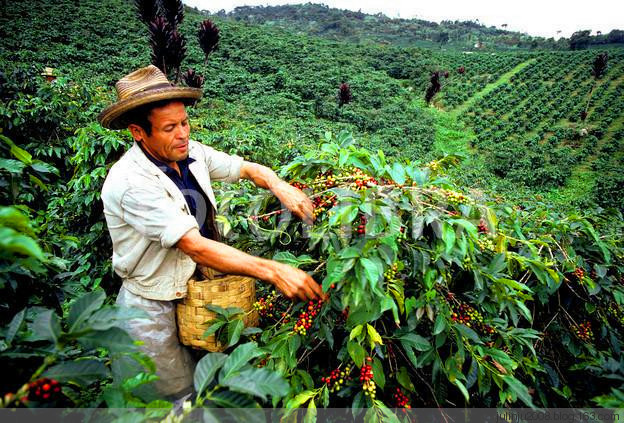
What Is Washed Process Coffee? Casa Ruiz Panama Boquete Beans
If you’ve ever sipped a bright, juicy cup of Panama coffee with crisp citrus and floral aromas, you’ve likely tasted the results of washed processing — but what exactly does that mean, and why does it create such clean, vibrant flavors? This article unpacks the washed method through the lens of one of Panama’s oldest and most respected estates.
Washed process, or wet processing, removes the coffee cherry’s skin and pulp before fermenting and washing the beans in water, resulting in a cleaner, more consistent cup with pronounced acidity and clarity. For the Casa Ruiz estate in Panama’s Boquete region, this method highlights delicate floral notes, citrus brightness, and a structured, sweet finish.
The Origins of Coffee in Panama
Coffee arrived in Panama in 1780, brought by Europeans who introduced the first Typica coffee trees. Over time, this foreign drink won over local palates, leading to widespread cultivation. Among the country’s most historic estates is the Casa Ruiz family farm, founded in 1920 and located in the Baru Volcano foothills of the Boquete region in northwestern Panama.
About the Casa Ruiz Estate
The Casa Ruiz estate has been managed by the same family for three generations. Unlike many single-estate operations, Casa Ruiz works with a network of over 300 small family farms and producers across the Boquete region. Together, they manage every stage of production: from planting and processing to roasting and marketing. This collaborative model allows for greater production consistency and quality control than a standalone farm could achieve alone.
The estate grows several classic coffee varieties, including Typica, Caturra, Catuai, Mundo Novo, and Bourbon. The farm lies at elevations above 1,400 metres, within the Baru Volcano zone of the Boquete region. The area sees an average annual rainfall of 3,000 millimetres, mostly between May and November, and maintains a mild average temperature range of 14–24°C year-round.
Boquete: Panama’s Premier Coffee Region
Boquete sits in the highlands of western Panama, near the border with Costa Rica. It lies on the Pacific side of the country, where cool air currents funnel down from the central mountains and converge above 2,000 metres (approximately 6,500 feet), creating diverse microclimates ideal for specialty coffee. The volcanic soil around Baru Volcano is rich in nutrients, feeding the coffee trees and contributing to complex aromatic compounds in the cherries.
While Panama wasn’t historically known for coffee, the rise of third-wave coffee culture and lighter roasting styles helped reveal the region’s potential. Bright, floral, and fruity profiles — especially those of the Geisha variety — have since earned global acclaim.
How Washed Process Creates Clean Coffee Flavors
The washed process is one of the most common methods for producing specialty-grade coffee, valued for its ability to highlight clarity, acidity, and subtle tasting notes. Here’s how it works at Casa Ruiz:
- After harvesting ripe coffee cherries, workers remove the outer skin and pulp using a pulper.
- The beans, still coated in sticky mucilage, are placed in water-filled fermentation tanks.
- Enzymes naturally break down the mucilage over a controlled period (exact timing not specified in source).
- The beans are then thoroughly washed to remove all remaining mucilage.
- Finally, the cleaned seeds are dried — either on patios or raised beds — to the optimal moisture level for storage and export.
This method results in a cup that’s typically clean, bright, and well-balanced, with higher perceived acidity and a more transparent expression of terroir and variety.
At Casa Ruiz, the washed process emphasizes the varietal character of their Caturra and other planted coffees. The estate carefully controls each step — from selection and processing to drying — ensuring consistency and quality in the green beans.
Casa Ruiz Washed Coffee Profile
This particular lot from Casa Ruiz is classified as SHB (Strictly Hard Bean), indicating it was grown at high altitudes, which slows bean development and increases density and sweetness. The coffee is processed entirely using the washed method at their Boquete estate, grown at 1,400 metres above sea level.
According to the source, these beans exhibit an exceptionally clean and fragrant dry aroma, with a cup that is both bright and balanced. Tasting notes include:

- Floral scents reminiscent of perfume
- Citrus-like acidity
- Light fruitiness with hints of apple, cherry, and berries
- Delicate notes of almond tea, rice, and jasmine
- Sweetness akin to brown sugar and dried dates
- A long, lively finish with lingering stone fruit and citrus
The cup is described as mild yet complex, with a smooth mouthfeel and layered fruit and floral tones that persist through the finish.
Bean Details
This coffee is produced by Casa Ruiz S.A., grown at 1,400m altitude in the Boquete region of Panama’s Baru Volcano. The variety is primarily Caturra, with other types also present. The processing method is washed, and the beans are graded as SHB (Strictly Hard Bean). The result is a coffee with intense yet refined aromatics, a juicy acidity, and a clean, sweet finish.
Frequently Asked Questions
What is washed process coffee?
Washed process coffee, also called wet processing, involves removing the coffee cherry’s skin and pulp before fermenting and washing the beans to remove the mucilage. This method typically produces a clean, bright cup with high acidity and clear flavor notes, as seen in many specialty coffees from Central America.
Where is the Boquete region in Panama?
Boquete is a highland district in northwestern Panama, located near the Baru Volcano in the Chiriquí Province. It lies on the Pacific side of the country and is known for its cool climate, fertile volcanic soils, and ideal conditions for growing specialty-grade Arabica coffee.
What coffee varieties does Casa Ruiz grow?
Casa Ruiz cultivates several classic Arabica varieties, including Typica, Caturra, Catuai, Mundo Novo, and Bourbon. The washed lot discussed here is primarily Caturra, grown alongside other types at elevations above 1,400 metres.
What does SHB mean in coffee grading?
SHB stands for Strictly Hard Bean, a classification indicating that the coffee was grown at high altitudes (typically above 1,200–1,350 metres). These beans mature more slowly, resulting in a denser, harder bean with more concentrated sugars and acids, often leading to a better-quality cup profile.
Why is washed process common in Panama?
Washed processing is popular in Panama because it enhances the clarity and acidity of the coffee, allowing the region’s bright, floral, and fruity flavour profiles — especially in high-altitude Caturra and Geisha varieties — to shine through. The method also supports consistency, which is critical for export-grade lots.
What flavours can you expect from Casa Ruiz washed coffee?
This particular washed coffee from Casa Ruiz offers floral and perfumed notes, bright citrus acidity, subtle apple and cherry fruit, almond tea, rice, jasmine, brown sugar, and dried date sweetness. The cup is clean, well-balanced, and finishes with a lively fruitiness.
Recommended FrontStreet Beans for Washed Process Fans
Explore the bright, clean profiles of Panama’s Boquete region with FrontStreet Coffee’s Panamanian Boquete Geisha, known for its jasmine, bergamot, and grapefruit notes, or try the Panamanian Boquete Washed Gesha for honey, lemon, and tropical fruit complexity. Both showcase the clarity and vibrancy typical of high-altitude washed coffees, much like the Casa Ruiz estate beans. Freshly roasted within 5 days · Orders placed before 17:00 ship the same day · Next-day delivery across most of Guangdong Province.
FrontStreet Coffee is a long-established specialty coffee roaster in Guangzhou China, selling freshly roasted beans from its own farm in Yunnan as well as dozens of carefully selected single-origin beans from around the world for both pour-over and espresso. The products deliver consistently excellent quality and great value, with shipping within 24 hours. Guangzhou's FrontStreet Coffee shop is recommended by many coffee lovers, and the beans are now available online at the Tmall 。
Important Notice :
前街咖啡 FrontStreet Coffee has moved to new addredd:
FrontStreet Coffee Address: 315,Donghua East Road,GuangZhou
Tel:020 38364473