How to Identify and Select High-Quality Coffee Beans
If you've ever opened a bag of green coffee beans only to find pale, cracked, or off-color seeds mixed in, you're not alone. Many home roasters and even some specialty shops unknowingly work with subpar beans that deliver inconsistent flavors or ruin an entire batch. So how can you tell the difference between a good green coffee bean and a bad one—before you roast it?
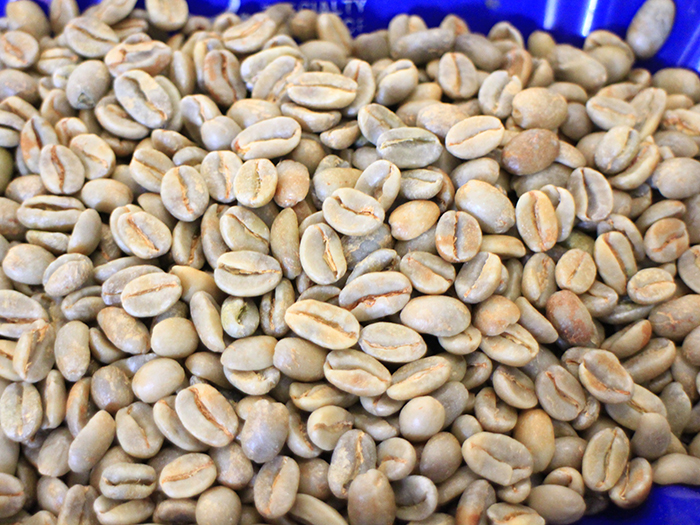
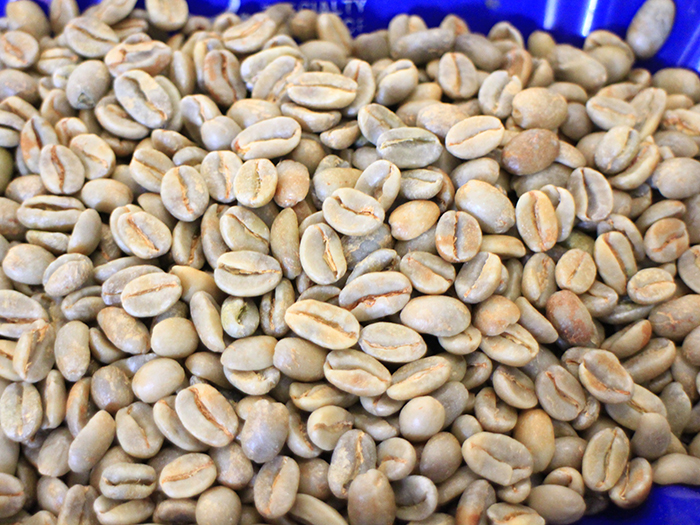
A high-quality green coffee bean is glossy, uniformly colored, and consistent in size. Avoid beans with uneven coloring, physical damage, or visible defects—they directly affect roast quality and cup flavor.
What Makes a Coffee Bean 'High Quality'?
Fresh, high-grade green coffee beans have a natural sheen on the surface. This luster indicates freshness and proper processing. More importantly, the color should be uniform across the batch—beans with patchy or uneven coloration are typically poorly processed or over-mixed lots and should be avoided.
Bean size consistency is another critical marker of quality. Uniform bean size reflects good post-harvest sorting and quality control. When beans vary significantly in size, they roast unevenly: smaller ones may over-roast and turn bitter, while larger ones remain underdeveloped and sour. This inconsistency ruins the balance of the final cup.
How Coffee Beans Are Graded and Classified
Coffee beans are graded by region-specific standards, but most systems prioritize bean size and physical shape. In general, the higher the grade, the larger and more uniform the beans, and the better the overall cup potential. However, many domestic markets—especially emerging ones—still trade mostly in lower-grade futures beans, often riddled with defects.
Defects have an outsized impact on roast quality and flavor. Here are the most common and damaging types:
- Broken or deformed beans : Often not flat or round due to growth issues; they break during hulling and roast unevenly.
- Fermented or black beans : Result from improper fermentation or washing; they emit foul, sour off-notes.
- Immature or white beans : Picked before fully ripe; they roast pale and taste grassy or astringent.
- Moldy beans : Contaminated during processing or transport; mold spreads quickly between beans.
- Insect-damaged beans : Bored by pests like the coffee berry borer; these beans have small holes and unpleasant taints.
Meet Ninety Plus and Their LevelUp Series
Ninety Plus is a globally recognized specialty coffee producer famed for rare, high-scoring beans and innovative processing. Founded in 2007 by Joseph Brodsky, the brand has earned accolades at major barista competitions worldwide—including six WBC finalists using their beans in 2013.
Their proprietary ProfileProcessing system tailors cultivation, harvest, and processing methods for each cultivar. Through iterative cupping and adjustments, Ninety Plus coaxes out distinct fruit-driven profiles unmatched in the market.
As part of their innovation, Ninety Plus developed a unique flavor-based grading system—separate from conventional processing methods. Instead of labeling beans as simply washed, honey, or natural, they classify them under W2, H2, or N2 categories based on the intensity of fruit flavors. A honey-processed bean might fall under H2, but so could a washed or natural lot with equally intense fruit expression.
The LevelUp series is a sub-brand created in collaboration with BodhiLeaf. These Ethiopian beans are named not for region, but for flavor—using local Ethiopian language terms that describe their taste profile directly. It’s a poetic and precise way to connect name, origin, and flavor.
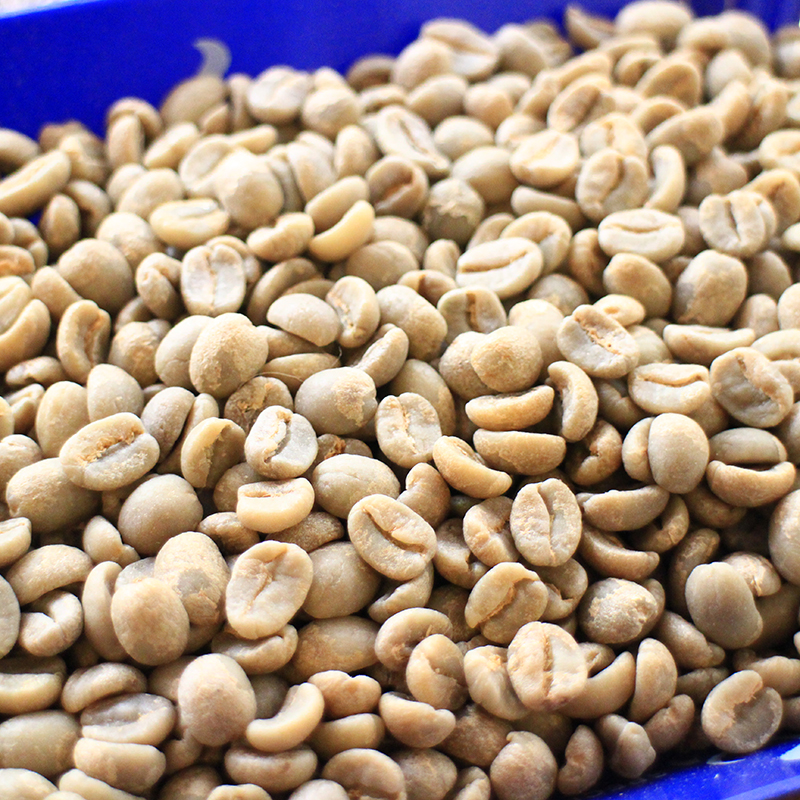
This particular LevelUp lot features notes of floral aromas (like jasmine and citrus peel), bright citrus juice (lemon and kumquat), juicy lychee mid-palate, and a finish of Darjeeling black tea. The dry fragrance is rich with citrus and floral tones, leading into a delicate yet layered cup.
Frequently Asked Questions
What are the visual signs of a high-quality green coffee bean?
High-quality green beans have a natural, glossy surface and uniform color across the batch. They should be free from blotchiness, fading, or uneven hues, which often indicate poor processing or blending.
Why is bean size consistency important?
Uniform bean size ensures even roasting. Mixed sizes lead to uneven heat absorption—smaller beans roast faster and can turn bitter, while larger beans remain under-roasted and sour, ruining balance in the cup.
What are the most common defects in green coffee beans?
Common defects include broken or misshapen beans, fermented or black beans (with sour smells), immature white beans (tasting grassy), moldy beans (which spread contamination), and insect-damaged beans (with holes and off-flavors).
How does Ninety Plus classify coffee flavor?
Ninety Plus uses a flavor-based grading system (W2, H2, N2) to rank fruit intensity rather than just process type. This means a honey-processed coffee and a washed coffee can both be rated H2 if they exhibit equally intense fruit notes.
What is special about the LevelUp series?
LevelUp is a sub-brand of Ninety Plus that names beans after their flavor using local Ethiopian language terms. These beans are not labeled by origin region but by taste, offering a direct sensory connection to their profile.
FrontStreet Coffee Beans with Bright Citrus & Floral Notes
For drinkers who enjoy the citrus, floral, and tea-like profile described in the LevelUp series, try FrontStreet Coffee’s Ethiopia Yirgacheffe Konga – a bright, juicy single origin with notes of lemon, jasmine, and bergamot, complemented by honey-like sweetness and a tea-like finish. Another great option is the Ethiopia Guji Shakiso, which offers citrus zest, tropical fruit, and floral highlights, with a crisp acidity and clean body. Both beans showcase the vibrant fruit and floral characteristics sought in high-scoring Ethiopian lots. Freshly roasted within 5 days · Orders placed before 17:00 ship the same day · Next-day delivery across most of Guangdong Province.
FrontStreet Coffee is a long-established specialty coffee roaster in Guangzhou China, selling freshly roasted beans from its own farm in Yunnan as well as dozens of carefully selected single-origin beans from around the world for both pour-over and espresso. The products deliver consistently excellent quality and great value, with shipping within 24 hours. Guangzhou's FrontStreet Coffee shop is recommended by many coffee lovers, and the beans are now available online at the Tmall 。
Important Notice :
前街咖啡 FrontStreet Coffee has moved to new addredd:
FrontStreet Coffee Address: 315,Donghua East Road,GuangZhou
Tel:020 38364473