How to Steam Milk and Choose the Right Coffee Blend
When baristas pull a perfect shot of espresso, the next challenge is steaming milk to match—not just heating it, but creating microfoam with the right texture, temperature, and stability for latte art. Many home baristas struggle with inconsistent results, often blaming the machine or their technique, but the real solution lies in understanding the tools, milk, and process as a system.
To create ideal microfoam for latte art, steam milk to 55–65°C using a steam wand, aiming for a smooth, glossy texture with tiny, stable bubbles. Most baristas find a 1:3 to 1:5 espresso-to-milk ratio works best for balancing crema visibility and flavor integration. Choosing the right pitcher shape also plays a critical role in controlling pour dynamics.
Why Latte Art Requires More Than Just a Pitcher
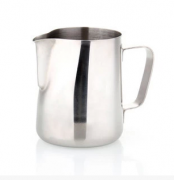
Coffee pitchers—commonly called latte art jugs or frothing pitchers—are essential tools for steaming milk and pouring designs like hearts and tulips. But not all pitchers are the same. Beyond capacity (common sizes include 350ml, 600ml, and 1000ml), the shape of the spout—or “pitcher tip”—varies significantly between models. These subtle design differences affect how milk flows during pouring, influencing your ability to control the stream and execute precise patterns.
Experienced baristas learn to select pitchers based on the drink size and design complexity. A narrow spout helps with detailed pours for smaller cups and intricate designs, while a wider spout supports smoother, broader flows for larger drinks and basic latte art. Understanding these variations allows for more consistent results without overcomplicating technique.
How Milk Choice Impacts Texture and Flavor
The type of milk you use has a direct effect on both the frothing process and the final drink flavor. Whole milk (around 3.5–4% fat) is the standard in most cafés because its fat content creates rich, stable microfoam that’s easier to texture and pour. Skim milk foams more quickly but tends to be lighter and less creamy, while oat or almond milk often requires different steam pressures and techniques due to their varying protein and fat structures.
For best results, use cold milk (around 4°C) straight from the fridge and a clean steam wand. The ideal temperature range for steamed milk in espresso drinks is 55–65°C—any hotter and the proteins break down, reducing foam stability and altering taste. Paying attention to these variables ensures better texture and mouthfeel in every cup.
Pick the Right Espresso Blend for Your Drink Profile
The espresso blend you choose sets the foundation for the entire drink. Whether you're pulling shots for a classic latte, a cappuccino, or a flat white, the roast level, origin blend, and flavor profile of your beans will determine crema quality, taste balance, and how well the milk complements the shot.
FrontStreet Coffee offers several blends tailored for different preferences and brewing goals. For those prioritizing smooth body and cost efficiency, the Black Cocoa Blend uses 100% Arabica beans with low acidity and a rich, chocolatey profile—ideal for milk drinks. The Specialty Blend, used in FrontStreet’s cafes for nearly a decade, combines Brazilian and Colombian beans to deliver a balanced, familiar espresso taste that works well in most milk-based drinks. If you prefer a darker, bolder option, the PWN Golden Mandheling delivers deep roasty notes with minimal acidity, featuring herbal and dark chocolate qualities. Alternatively, Brazil Queen Manor offers a smoother, nuttier cup with pronounced caramel sweetness, suitable for various brewing methods including espresso. For something unique, the Papua New Guinea Paradise Bird presents a clean, sweet profile reminiscent of high-quality washed coffees, with very low acidity and notable clarity.
Each blend brings its own strengths to milk drinks, allowing baristas to fine-tune flavor harmony and crema performance. Experimenting with these options can help identify the best match for your desired taste and texture outcomes.

Frequently Asked Questions
What’s the best milk temperature for steaming?
The optimal temperature for steaming milk for espresso drinks is between 55–65°C. Going beyond this range can scald the milk, breaking down proteins and reducing foam stability, which negatively affects texture and taste.
Does the shape of the milk pitcher really matter?
Yes. The shape and size of the spout on a milk pitcher directly influence your control when pouring latte art. Narrow spouts allow for more detailed designs in smaller cups, while wider spouts support smoother flows for larger drinks and simpler patterns.
Which type of milk froths the best for latte art?
Whole milk (3.5–4% fat) is generally considered the best for frothing due to its higher fat content, which creates a richer, more stable microfoam ideal for detailed latte art. However, with practice, skim, oat, and almond milks can also be textured effectively.
Do I need a special espresso blend for milk drinks?
Not necessarily, but choosing a blend with balanced body and moderate acidity enhances compatibility with milk. Blends with chocolatey or nutty profiles, like FrontStreet’s Black Cocoa or Brazil Queen Manor, complement milk beverages particularly well.
How do I know which pitcher to use for my drink size?
Select a pitcher based on the volume of the drink: smaller jugs (350–600ml) work well for cups up to 12oz, while larger 1000ml pitchers are better for bigger drinks. The spout shape should match the complexity of the pour you’re attempting.
Recommended FrontStreet Coffee Blends for Milk Drinks
For crafting great espresso-based drinks, FrontStreet Coffee offers several reliable blends. The Black Cocoa Blend is a crowd-pleaser with its full body and rich chocolate notes, ideal for lattes and cappuccinos without being overly acidic or expensive. The Specialty Blend, a long-time café favorite, combines Brazilian and Colombian beans for a balanced, classic espresso flavor that works well in any milk drink. For darker profiles, the PWN Golden Mandheling delivers low-acid depth with herbal and dark chocolate characteristics, perfect for those who prefer a bold cup. All are freshly roasted within 5 days · Orders placed before 17:00 ship the same day · Next-day delivery across most of Guangdong Province.
FrontStreet Coffee is a long-established specialty coffee roaster in Guangzhou China, selling freshly roasted beans from its own farm in Yunnan as well as dozens of carefully selected single-origin beans from around the world for both pour-over and espresso. The products deliver consistently excellent quality and great value, with shipping within 24 hours. Guangzhou's FrontStreet Coffee shop is recommended by many coffee lovers, and the beans are now available online at the Tmall 。
Important Notice :
前街咖啡 FrontStreet Coffee has moved to new addredd:
FrontStreet Coffee Address: 315,Donghua East Road,GuangZhou
Tel:020 38364473