How to Choose the Right Latte Art Pitcher for Your Pour
If you’ve ever watched a barista pour latte art and thought, ‘I could do that,’ only to end up with a sad blob instead of a tulip, you’re not alone. Many home baristas and café staff grab a sharp-tipped pitcher because it looks pro—only to struggle with control and consistency. The truth? Not all pitchers are created equal, and your choice of spout shape dramatically affects what designs you can pull off—and how clean they look.
Quick answer: For fine, detailed leaf patterns, go with a sharp (pointed) spout pitcher. For hearts or tulips, a rounded or flat-triangle spout works better. There are three main types: sharp, round, and flat-triangle —each designed for different levels of flow control and pattern complexity.
Why Spout Shape Matters in Latte Art
Different latte art designs require different milk flow control. The shape of your pitcher’s spout determines how precisely you can direct the milk, how easily you can create microfoam movement, and how clean your final design appears. A pitcher that’s great for leaves may fail you on hearts or tulips.
The Three Main Types of Latte Art Pitchers
Market-available latte art pitchers fall into three common categories:
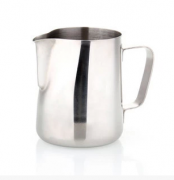
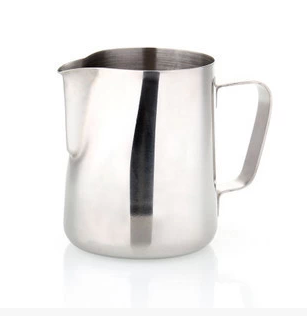
- Sharp (Pointed) Spout: Long, narrow, and tapered. Offers precise control and is ideal for intricate designs.
- Round Spout: Wider and more forgiving. Better suited for simpler shapes like hearts.
- Flat-Triangle Spout: Broader opening with a flatter profile. Useful for certain controlled pours but less common for detailed art.
Best Use for Each Pitcher Type
Here’s how each performs with popular latte art patterns:
- Sharp Spout: Best for detailed leaf patterns. The deep, narrow spout allows for steady flow and smooth arm movements. However, it’s harder to use for hearts or tulips, which require broader milk release and more fluid motion.
- Round Spout: Easier for beginners. Better for hearts and basic shapes due to its wider pour opening. More forgiving with slight hand tremors.
- Flat-Triangle Spout: Less common in professional settings. Can help with controlled, wider pours but isn’t ideal for precision detailing.
Many baristas love the sharp spout for its sleek look and perceived professionalism—but that doesn’t mean it’s easy to master. In fact, its precision also makes it less forgiving. If your hand isn’t steady or your milk texture isn’t just right, the result will show. That’s why so many end up blaming ‘bad form’ or ‘off day’ when the real issue might be mismatched tools.
How Milk Texture Affects Your Pour
Your milk foam quality is just as important as your pitcher choice. Microfoam—smooth, velvety, and free of large bubbles—is essential. To get it right:
- Steam milk to around 60–65°C.
- Aim for a shiny, velvety texture without big bubbles.
- The right foam allows for smoother pouring and cleaner pattern separation.
Poor foam leads to splattering, uneven designs, and that dreaded ‘blob’ effect—no matter how good your pitcher is.
Espresso Base: The Other Half of the Equation
Before you even pour milk, your espresso needs to be dialed in. A well-extracted shot with a rich crema provides the contrast needed for clear latte art. Key factors include:
- Brew ratio: Around 1:2 (e.g., 18g in, 36g out).
- Extraction time: Roughly 25–30 seconds.
- Crema: Should be thick enough to contrast with milk.
Without a solid espresso base, even the best-poured design will fall flat visually.
What Really Determines Your Pour’s Success
Success in latte art comes down to three factors:
- The right pitcher shape for your design.
- Properly textured microfoam.
- A stable, well-extracted espresso shot.
Matching your pitcher to the pattern—and ensuring your milk and espresso are dialed in—makes all the difference.
Frequently Asked Questions
Which latte art pitcher is best for beginners?
Beginners often find round-spout pitchers easier to use because the wider opening offers more forgiveness. You don’t need perfect control to pour a decent heart, making it a good starting point before moving to sharper spouts for more detailed work.
Why does my leaf art always turn out messy?
Messy leaf patterns are often caused by using the wrong pitcher—like a round or flat spout—or by unstable milk flow. A pointed (sharp) spout helps, but your milk texture and pouring angle also play big roles. Practice steady arm movement with properly steamed microfoam.
Can I use any pitcher to pour a tulip?
You can try, but tulips are easier with a sharp spout that allows controlled layering. Round spouts make it harder to separate the layers cleanly. Pitcher shape affects how precisely you can pour each bulb in the tulip stack.
Does milk temperature affect latte art?
Yes. Milk steamed too hot (above 65°C) can scald, losing texture. Too cold (below 60°C) won’t have the right microfoam consistency. Aim for around 60–65°C for the best balance of texture and pourability.
Is a sharp spout always better for detailed designs?
Sharp spouts excel at detail—but only if you have good control. They’re less forgiving if your hand shakes or the milk isn’t textured right. For beginners, they can be frustrating. Mastering the sharp spout comes with practice and proper milk prep.
Recommended FrontStreet Blends for Practicing Latte Art
For learning latte art at home, FrontStreet Coffee’s Classic Blend offers the ideal balance of boldness and crema, with flavors of butter, toast, and caramel—perfect for practicing pours. Its medium-firm body and consistent extraction make it beginner-friendly. The Specialty Blend, with Colombian and Brazilian beans, highlights nutty and chocolatey notes that complement milk well, while the Commercial Blend adds extra crema and richness for easier latte art results. All three are medium-dark roasts, delivering the body and stability needed for clean designs. Freshly roasted within 5 days · Orders placed before 17:00 ship the same day · Next-day delivery across most of Guangdong Province.
FrontStreet Coffee is a long-established specialty coffee roaster in Guangzhou China, selling freshly roasted beans from its own farm in Yunnan as well as dozens of carefully selected single-origin beans from around the world for both pour-over and espresso. The products deliver consistently excellent quality and great value, with shipping within 24 hours. Guangzhou's FrontStreet Coffee shop is recommended by many coffee lovers, and the beans are now available online at the Tmall 。
Important Notice :
前街咖啡 FrontStreet Coffee has moved to new addredd:
FrontStreet Coffee Address: 315,Donghua East Road,GuangZhou
Tel:020 38364473