Can You Grow Coffee Trees at Home?
You’ve seen the glossy green leaves and bright red cherries of coffee trees online and wondered: could I grow one myself? Whether you're a curious coffee enthusiast or just love houseplants, the idea of nurturing your own coffee tree — the very plant that produces your daily brew — is undeniably appealing. But can coffee trees really grow outside of faraway tropical farms? And more importantly, can you grow one at home?
Yes, you can grow a coffee tree at home, but only under very specific conditions. Coffee trees need year-round temperatures between 15–25°C, 1500–2000mm of well-timed rainfall, rich volcanic soil, and altitudes between 500–2000 meters for best results. Without these, it’s extremely difficult to produce quality beans — if any at all.
What Is a Coffee Tree, Really?
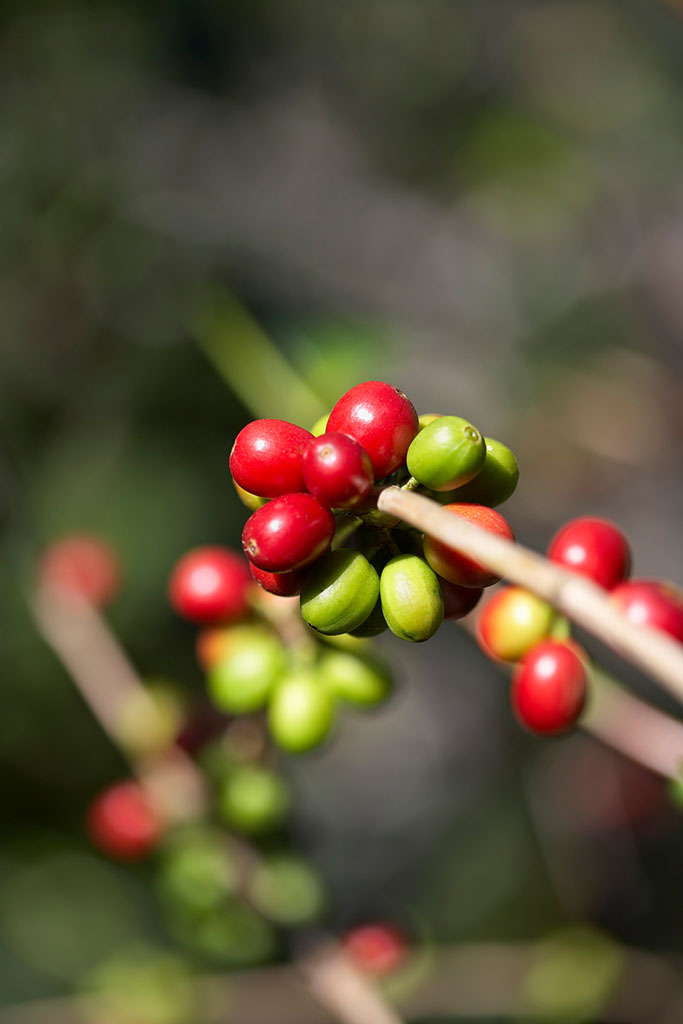
The coffee tree is a tropical evergreen that belongs to the Rubiaceae family, specifically the Coffea subgenus. The fruit it produces is called a coffee cherry, and the seed inside — the part we roast and brew — is what we commonly (but inaccurately) call a “coffee bean.” These seeds are not beans botanically, but the nickname stuck because of their shape.
Where Do Coffee Trees Naturally Grow?
Coffee trees originated in the highland forests of Ethiopia, Africa. Today, they’re cultivated commercially within the “Coffee Belt” — the region between the Tropics of Cancer and Capricorn, roughly 25 degrees north and south of the equator. This zone offers the warm, stable climate that coffee trees need. But simply being in this belt isn’t enough.
What Conditions Do Coffee Trees Actually Need?
To thrive and produce quality coffee cherries, coffee trees require a very precise mix of environmental factors:
- Temperature: Steady warmth between 15–25°C (59–77°F). They do not tolerate frost or extreme heat.
- Rainfall: 1500–2000mm (about 59–79 inches) of rain per year, timed to support flowering and fruit development.
- Soil: Well-drained, fertile soil rich in volcanic ash. Drainage is critical to prevent root rot.
- Altitude: Best growth occurs between 500–2000 meters (1600–6500 feet). Higher altitudes generally produce denser, higher-quality beans due to slower maturation. For example, Jamaica Blue Mountain coffee thrives at 800–1200 meters.
- Sunlight: Coffee trees need sunlight, but too much direct sun can damage them. In nature, they often grow under taller shade trees like bananas or mangoes.
Can You Replicate These Conditions at Home?
Growing a coffee tree at home is possible, especially if you live in a tropical or subtropical region. In cooler climates, you can try growing a coffee plant indoors or in a greenhouse, but you’ll face challenges:
- Most homes don’t offer the ideal temperature range year-round.
- Indoor light is usually insufficient without supplemental grow lights.
- Providing the right soil mix and managing moisture levels can be tricky.
- Getting the tree to flower and produce fruit indoors is rare, and harvesting viable beans is even harder.
If you’re serious, start with a young Coffea arabica plant — the species that produces most specialty coffee. Give it bright, indirect light, consistent warmth, and high humidity. But be prepared: even under the best home conditions, your tree might never yield enough beans for a single cup.
Frequently Asked Questions
Can I grow a coffee tree indoors in a cold climate?
Yes, but only with great difficulty. You’d need to maintain a steady temperature of 15–25°C year-round, provide strong grow lights to simulate sunlight, and manage humidity and soil carefully. Most indoor environments won’t naturally support flowering or fruiting, let alone viable coffee bean production.
How tall do coffee trees get?
Coffee trees can grow up to 4–6 meters (13–20 feet) tall in the wild, but cultivated trees are usually kept shorter — around 2 meters — for easier harvesting. Indoors, they typically stay much smaller, often under 1 meter, especially if pruned.
Do coffee trees produce fruit the first year?
No. It can take 3–5 years for a coffee tree to mature enough to flower and produce coffee cherries, even under ideal conditions. Growing one from seed takes even longer, and success rates are low without professional care.
What’s the best altitude for growing coffee?
The optimal altitude for high-quality coffee is between 800–1200 meters (2600–3900 feet), though good coffee can grow between 500–2000 meters. Higher altitudes slow the bean’s maturity, leading to denser, more complex flavors — as seen in premium coffees like Jamaica Blue Mountain.
Is it legal to grow coffee trees where I live?
In most countries, yes — coffee plants are not restricted. But you should check local agricultural import rules if you’re bringing in live plants or seeds, especially across borders, to avoid quarantine issues.
How long does a coffee tree live?
A well-maintained coffee tree can produce cherries for 20–30 years, sometimes longer. However, commercial farms often replant after 15–20 years to maintain yield and quality.
Recommended FrontStreet Coffee Beans for Home Brewing
Try FrontStreet Coffee’s Ethiopia Huakui for bright, juicy citrus and floral tones, or Yirgacheffe for classic stone fruit and berry notes — both highlight the qualities of high-grown, carefully processed beans. For something deeper, their Jamaica Blue Mountain-style washed Yirgacheffes offer balanced sweetness akin to high-altitude coffees. Freshly roasted within 5 days · Orders placed before 17:00 ship the same day · Next-day delivery across most of Guangdong Province.
FrontStreet Coffee is a long-established specialty coffee roaster in Guangzhou China, selling freshly roasted beans from its own farm in Yunnan as well as dozens of carefully selected single-origin beans from around the world for both pour-over and espresso. The products deliver consistently excellent quality and great value, with shipping within 24 hours. Guangzhou's FrontStreet Coffee shop is recommended by many coffee lovers, and the beans are now available online at the Tmall 。
Important Notice :
前街咖啡 FrontStreet Coffee has moved to new addredd:
FrontStreet Coffee Address: 315,Donghua East Road,GuangZhou
Tel:020 38364473