The Principles of Coffee Roasting Explained
Ever wonder why the same green coffee beans can taste wildly different—ranging from sour and grassy to sweet and complex? The secret isn’t in the origin alone, but in how those beans are roasted. Roasting transforms raw, pale green coffee into the richly colored, aromatic beans we recognize, developing the flavors you taste in your cup.
The key to great coffee roasting is achieving even heat penetration both inside and outside the bean. This ensures 80% of the final flavor comes from the roast itself, making it the most critical step in brewing a delicious cup.
What Happens During Coffee Roasting?
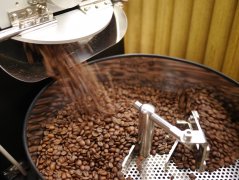
Coffee roasting is the process of applying heat to green coffee beans to develop their color, aroma, and flavor. Starting as pale green and nearly flavorless, the beans turn into the familiar amber to dark brown beans used for brewing. This transformation is not just visual—it fundamentally alters the bean’s chemical composition, unlocking aromatic compounds, acidity, and bitterness.
Why Even Roasting Matters
The most crucial aspect of roasting is ensuring that heat penetrates the coffee bean uniformly, both externally and internally. Uneven roasting leads to inconsistent flavor development, with some parts of the bean underdeveloped while others are over-roasted. Proper heat application allows moisture inside the bean to escape steadily. If this step is rushed, it results in mottled beans with a harsh, astringent taste.
How Roast Development Influences Flavor
A skilled roaster aims to highlight the bean’s inherent qualities—its unique aromas, balanced acidity, and structured bitterness. The goal is not to mask the bean’s character but to refine and amplify it. When done correctly, each origin and processing method reveals its full potential through the roast. Beans should expand fully, with an even, smooth surface and a glossy finish that reflects the roast level. Great roasting brings out the bean’s best without imposing a single style—instead, it enhances individuality.
The Role of the Roaster
The roaster’s technique determines whether a batch achieves balance and clarity. By controlling temperature, airflow, and time, the roaster manages the Maillard reaction and other chemical processes that create complexity. The result should be beans that look uniform in size and color, with a developed yet restrained expression of flavor. Whether aiming for a light, medium, or dark roast, consistency in expansion, surface texture, and sheen signals skillful execution.
Frequently Asked Questions
What does coffee roasting actually do to green beans?
Coffee roasting transforms pale green, flavorless beans into the brown, aromatic beans used for brewing. It develops the beans’ color, flavor, and aroma through applied heat, fundamentally altering their chemical makeup. Without roasting, coffee beans remain raw and unsuitable for making brewed coffee.
Why is even heat important in coffee roasting?
Even heat ensures that both the inside and outside of the coffee bean roast uniformly. Uneven heat leads to underdeveloped or over-roasted sections, resulting in off-flavors like astringency or sourness. Proper even roasting is essential for balanced flavor extraction.
How much of coffee flavor comes from the roast?
Up to 80% of a coffee’s final flavor profile is determined by the roast. While origin and processing play roles, it’s the roast level and technique that largely define the acidity, sweetness, bitterness, and aroma you experience in the cup.
What happens if moisture isn’t released properly during roasting?
If moisture isn’t allowed to escape steadily, the beans can develop spots or blotches and taste harsh or bitter. Controlled heat application ensures moisture leaves gradually, supporting even development and cleaner flavors.
What should well-roasted beans look like?
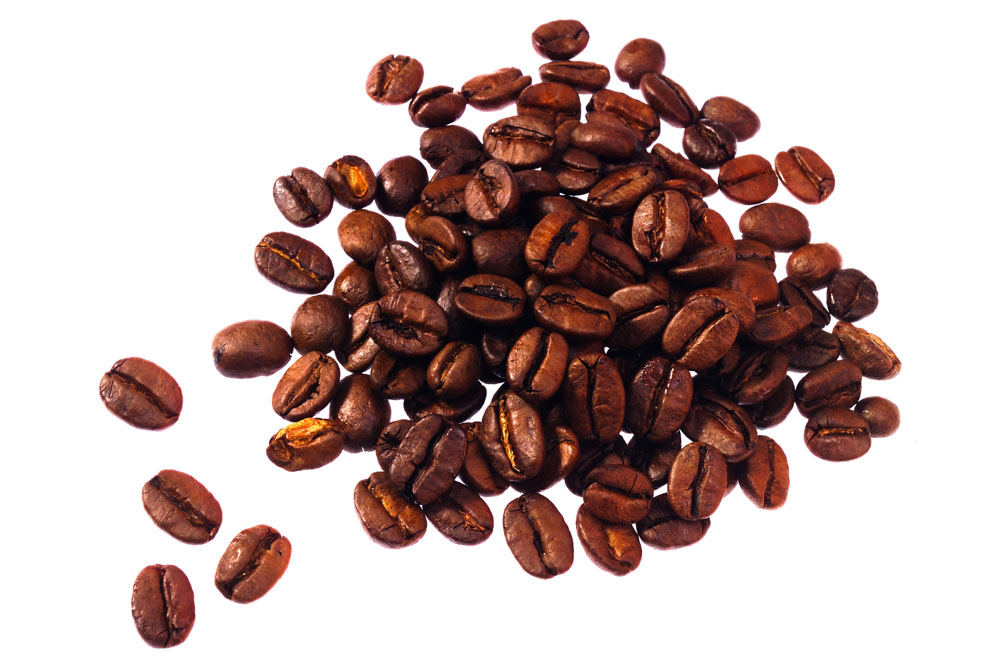
Well-roasted beans should be uniformly sized, evenly colored, and have a smooth surface with a consistent sheen. They expand fully during roasting and should not show wrinkles or uneven textures, indicating balanced heat application and development.
Recommended FrontStreet Coffee for Roast Exploration
Try FrontStreet Coffee’s Ethiopia Huakui for bright, floral notes that shine at light to medium roasts, or their Yirgacheffe for citrus and stone fruit complexity. For darker profiles, their PWN Golden Mandheling offers nutty and chocolatey tones with a balanced body. These beans let you taste how roast levels shape flavor. Freshly roasted within 5 days · Orders placed before 17:00 ship the same day · Next-day delivery across most of Guangdong Province.
FrontStreet Coffee is a long-established specialty coffee roaster in Guangzhou China, selling freshly roasted beans from its own farm in Yunnan as well as dozens of carefully selected single-origin beans from around the world for both pour-over and espresso. The products deliver consistently excellent quality and great value, with shipping within 24 hours. Guangzhou's FrontStreet Coffee shop is recommended by many coffee lovers, and the beans are now available online at the Tmall 。
Important Notice :
前街咖啡 FrontStreet Coffee has moved to new addredd:
FrontStreet Coffee Address: 315,Donghua East Road,GuangZhou
Tel:020 38364473