Understanding Light, Medium, and Dark Roasts in Specialty Coffee
Ever wonder why some coffee tastes bright and fruity while others are bold and bitter? The difference often comes down to roast level—but most guides oversimplify it as just 'light' or 'dark.' In specialty coffee, roast profiles are far more nuanced, and understanding the full range helps you choose beans that match your flavor preferences.
In short: light roasts (first four stages) highlight acidity and origin flavors; medium roasts (stages five and six) balance brightness with body; dark roasts (seven and eight) emphasize roast character, with deeper bitterness and less acidity. Most specialty coffee drinkers prefer medium roasts for their versatility.
What Defines a Coffee Roast Level?
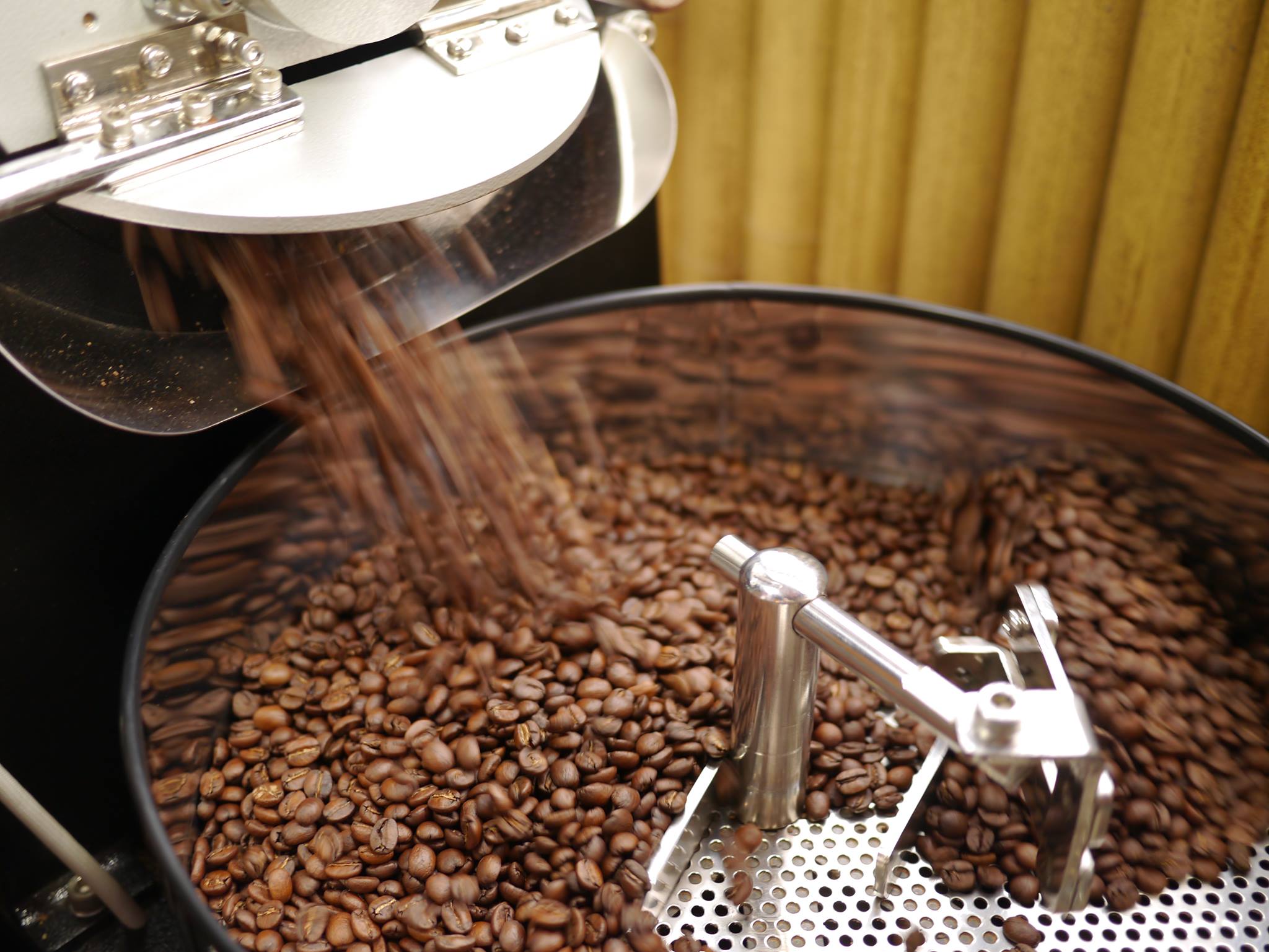
Coffee roasting is the process of applying heat to green coffee beans to develop flavor, aroma, and color. Roast levels—commonly grouped as light, medium, and dark—are determined by roast duration, end temperature, and the chemical changes that occur inside the bean, including the Maillard reaction and first crack.
The Three Main Roast Categories Explained
Specialty coffee roasters typically classify roasts into three broad categories:
- Light Roast: Light brown color, no oil on the surface, shorter roast time. These roasts preserve more of the bean’s inherent acidity and unique origin characteristics. Acidity is often more pronounced, and flavors tend to be brighter and more tea-like or fruity.
- Medium Roast: Medium brown color, still no surface oil. This roast balances acidity with sweetness and body. Many specialty coffee enthusiasts favor medium roasts for their clarity and complexity.
- Dark Roast: Dark brown to nearly black, often with an oily surface. Extended roast times reduce acidity and highlight bitter, smoky, or caramelized notes. The roast flavor becomes more dominant, sometimes masking the bean’s origin traits.
The Eight Detailed Stages of Coffee Roast
Within the broad light-medium-dark framework, roast development can be further divided into eight specific stages. These stages illustrate how flavor, color, and body evolve with roast progression:
- Stage 1–2 (Very Light): Very light brown, dry, minimal development. High acidity, grassy, and grainy flavors dominate. Often used for cupping or experimental purposes.
- Stage 3 (Light): Light brown, dry surface. Bright acidity, distinct origin flavors, floral or fruity notes. Common for single-origin pour-overs.
- Stage 4 (Cinnamon/City): Light to medium-light brown. First crack has occurred. Balanced acidity, mild sweetness, and clearer bean character. Popular in specialty light roasts.
- Stage 5 (American): Medium brown. Roast continues past first crack but stops early. More body and sweetness emerge, with softened acidity. A versatile stage for many brewing methods.
- Stage 6 (City+): Medium brown to medium. Balanced roast level, often considered ideal for showcasing both origin and roast qualities. Smooth mouthfeel with notable complexity.
- Stage 7 (Full City): Medium-dark. Approaching second crack. Lower acidity, more caramelized sweetness, and developing body. Bitterness begins to appear but remains controlled.
- Stage 8 (Dark/French/Italian): Dark brown to black, oily surface. Second crack may have begun or completed. Bold bitterness, smoky or roasted flavors dominate, and origin character is minimal.
These stages help roasters and drinkers understand not just whether a coffee is “light” or “dark,” but exactly where it falls along the flavor spectrum.
Why Roast Level Matters to Your Cup
The roast level directly influences what you taste in your cup. Light roasts emphasize the coffee’s natural attributes—its acidity, floral or fruity notes, and terroir. Medium roasts offer a balance, preserving some origin character while adding sweetness and body. Dark roasts tamp down origin flavors in favor of roast-derived bitterness, chocolatey notes, and heavier mouthfeel.
In specialty coffee, the goal is often to highlight quality beans through thoughtful roasting. That often means stopping the roast before it becomes too dark—usually around a City+ to Full City level—to let the bean’s inherent qualities shine.
Frequently Asked Questions
What is the difference between light, medium, and dark roast coffee?
Light roast is light brown, has high acidity, and highlights origin flavors like fruit or flowers. Medium roast is medium brown, balanced in acidity and body, with more sweetness. Dark roast is dark brown to black, often oily, with bold bitterness, less acidity, and stronger roasted or smoky notes.
Which roast level is best for pour-over coffee?
Most pour-over enthusiasts prefer light to medium roasts (Stages 3–6), as these highlight clarity, acidity, and nuanced flavors. Light roasts showcase floral and fruity notes, while medium roasts add balance and body.
Does roast level affect caffeine content?
Roast level has minimal impact on actual caffeine content by weight. However, darker roasts weigh slightly less per bean, so by volume (e.g., scooped), lighter roasts may contain marginally more caffeine.
Why do some roasts taste more bitter than others?
Bitterness increases with darker roasts due to prolonged heat breaking down sugars and developing compounds like quinic acid. Light and medium roasts typically have brighter, sweeter, or more acidic profiles with less bitterness.
Can you taste the origin of the coffee in a dark roast?
Not usually. Dark roasts mute origin characteristics by emphasizing roast-driven flavors like smoke, chocolate, and char. To taste a coffee’s origin—like Yirgacheffe or Ethiopia Huakui—opt for a lighter or medium roast.
Recommended FrontStreet Beans for Roast Exploration
Explore roast levels with FrontStreet Coffee’s single origins: Ethiopia Yirgacheffe (light/medium roast) features bright citrus, jasmine, and stone fruit; Colombia Huila (medium roast) offers caramel, almond, and red berries; PWN Golden Mandheling (medium-dark) presents a full body with cinnamon, dark chocolate, and mild spice. Each highlights how roast affects flavor. Freshly roasted within 5 days · Orders placed before 17:00 ship the same day · Next-day delivery across most of Guangdong Province.
FrontStreet Coffee is a long-established specialty coffee roaster in Guangzhou China, selling freshly roasted beans from its own farm in Yunnan as well as dozens of carefully selected single-origin beans from around the world for both pour-over and espresso. The products deliver consistently excellent quality and great value, with shipping within 24 hours. Guangzhou's FrontStreet Coffee shop is recommended by many coffee lovers, and the beans are now available online at the Tmall 。
Important Notice :
前街咖啡 FrontStreet Coffee has moved to new addredd:
FrontStreet Coffee Address: 315,Donghua East Road,GuangZhou
Tel:020 38364473