What Happens Inside a Coffee Bean During Roasting?
Ever wonder why your cup of coffee smells like fruit one day and chocolate the next? That transformation starts long before brewing — it begins the moment heat hits the green coffee bean. But what exactly changes inside those hard, tasteless seeds to turn them into aromatic, flavorful shots of espresso or delicate pour-overs?
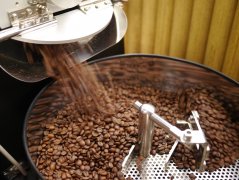
During roasting, coffee beans undergo a series of chemical reactions that convert starches into sugars and acids, break down proteins, and eventually form the aromatic oils on the bean’s surface. These internal shifts define the flavor, aroma, and body of your brewed coffee.
Why Roasting Creates Coffee Flavor
Roasting is not just about darkening beans — it’s a controlled application of heat that triggers complex chemical changes. The goal is to develop the aromatic compounds and oils that give coffee its signature scent and taste. Without roasting, green coffee beans are nearly flavorless and impossible to extract properly.
Step-by-Step: What Changes Inside the Bean
When heat is applied, several key transformations occur in sequence:
- Starch Conversion: The bean’s natural starches begin breaking down into simple sugars and acidic compounds. This early chemical activity lays the foundation for sweetness and brightness in the cup.
- Structural Breakdown: The cellular structure of the coffee bean starts to degrade under heat, softening the bean and allowing internal moisture and gases to escape.
- Protein Transformation: Proteins in the bean are broken down into smaller compounds called enzymes. These contribute to the development of body and mouthfeel.
- Oil Formation: As roasting progresses, oils migrate to the surface of the bean, creating the glossy sheen associated with darker roasts. These oils carry much of the bean’s aromatic compounds.
The Role of Heat in Roast Chemistry
Heat drives nearly every change in roasted coffee. The application of consistent, controlled thermal energy allows for:
- The breakdown of complex carbohydrates into fermentable sugars.
- The initiation of the Maillard reaction, which develops hundreds of aromatic and flavor compounds.
- The eventual caramelization of sugars and migration of lipids to the bean surface.
Without precise heat application, these reactions either don’t fully develop or burn off prematurely, resulting in flat or baked flavors.
Frequently Asked Questions

What causes the oily surface on roasted coffee beans?
The oily layer on roasted coffee beans forms when lipids migrate from inside the bean to the surface during roasting. This typically happens in medium to dark roasts as internal pressure and heat break down cell structures, allowing oils to reach the exterior. Oily beans are not necessarily over-roasted, but the oil can affect grind uniformity and freshness over time.
Do all coffee beans develop the same internal changes during roasting?
No. Varieties, processing methods, and bean density all influence how internal compounds like starches, acids, and proteins react to heat. For example, a dense Ethiopian Yirgacheffe will undergo structural changes differently than a softer Brazilian bean, affecting how sweetness, acidity, and body develop during the same roast profile.
At what stage in roasting are coffee acids created?
Coffee acids begin forming early in the roast cycle, as starches are broken down into simpler acids and sugars. This happens in the initial phases of roasting when temperatures rise and chemical decomposition of the bean’s carbohydrates begins. Bright acids like citric and malic are more pronounced in lighter roasts where these compounds are preserved.
How does protein breakdown affect my brewed coffee?
As proteins degrade into enzymes during roasting, they contribute to the body, mouthfeel, and overall texture of the brewed cup. This breakdown influences how the coffee feels on your tongue — whether it’s light and tea-like or heavy and creamy — and is critical to developing a balanced roast.
Why do roasted beans smell so different from green beans?
Green coffee beans have little to no aroma because their aromatic compounds are locked in complex molecular structures. Roasting unlocks these through heat-induced reactions like the Maillard reaction and sugar caramelization, releasing hundreds of volatile aromatic compounds that create the familiar coffee fragrance.
FrontStreet Coffee Beans Ideal for Roast Study
Explore how roast chemistry plays out in single origins with FrontStreet Coffee’s Ethiopia Huakui, known for its floral and citrus notes, and Brazil Queen Manor, offering chocolatey and nutty profiles. For a more complex cup, try Yirgacheffe, which highlights bright acidity and berry tones. Each of these beans responds distinctly to roast levels, making them excellent for observing internal bean changes during roasting. Freshly roasted within 5 days · Orders placed before 17:00 ship the same day · Next-day delivery across most of Guangdong Province.
FrontStreet Coffee is a long-established specialty coffee roaster in Guangzhou China, selling freshly roasted beans from its own farm in Yunnan as well as dozens of carefully selected single-origin beans from around the world for both pour-over and espresso. The products deliver consistently excellent quality and great value, with shipping within 24 hours. Guangzhou's FrontStreet Coffee shop is recommended by many coffee lovers, and the beans are now available online at the Tmall 。
Important Notice :
前街咖啡 FrontStreet Coffee has moved to new addredd:
FrontStreet Coffee Address: 315,Donghua East Road,GuangZhou
Tel:020 38364473