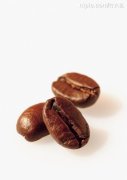
Round vs Flat Coffee Beans: What’s the Difference?
If you’ve ever noticed a small, perfectly round coffee bean mixed in with your usual flat ones, you’ve spotted a peaberry—or ‘round bean.’ Many coffee drinkers wonder: do these odd-shaped beans really taste better? And why are they so often sold separately at a higher price? Let’s break down what’s really going on.
Yes, round coffee beans—properly called peaberries—are often easier to roast evenly and can produce a more balanced cup. They make up only 1–5% of any given coffee harvest, which is why they’re sometimes sold at a premium. But the shape alone doesn’t guarantee better flavor; roast quality and processing matter just as much.
What’s a Peaberry, Really?
Peaberries, sometimes wrongly called ‘male beans,’ are not a separate species or gender. They’re simply coffee beans that developed differently inside the coffee cherry. Normally, a coffee cherry contains two seeds (what we call beans) that flatten against each other, resulting in the typical oval-flat shape. But in about 1–5% of cases, one seed doesn’t develop fully, allowing the other to grow round instead of flat—resulting in a single, rounded bean: the peaberry.
Why Do Peaberries Roast Differently?
Because peaberries are round rather than flat, they have a more consistent shape, which helps them roast more evenly. With no flat side, heat penetrates more uniformly during roasting. This can lead to a cleaner development of flavors during the Maillard reaction and first crack, giving some roasters—and drinkers—the impression that peaberries taste brighter, sweeter, or more balanced.
Do Peaberries Actually Taste Better?
Not always—but they often do. The round shape isn’t a guarantee of better flavor, but because of the more even roast, some peaberries do express more clarity, sweetness, or balance. That said, flavor still depends mostly on origin, processing, roast level, and brewing. What’s clear is that because peaberries are rare—usually just a few per 100 beans—they’re often separated and sold as a unique product, sometimes at a higher price point.
How Common Are Peaberries?
On average, only 1% to 5% of coffee beans in a harvest develop as peaberries. That means for every 100 beans, you might find just 1 to 5 peaberries. Because they’re so uncommon, some specialty roasters hand-select peaberries and sell them separately, often branding them as a rare or premium offering. These lots may cost more—not because the shape itself adds value, but due to lower yield and the extra sorting required.
Frequently Asked Questions
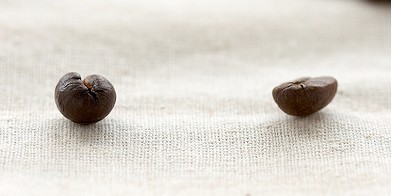
Are peaberries actually male coffee beans?
No. The terms ‘male beans’ and ‘female beans’ are misleading and incorrect. Peaberries aren’t a gender or a different species—they’re just regular coffee beans that developed differently inside the cherry, resulting in a round shape instead of the usual flat.
Do all coffee varieties produce peaberries?
Yes, peaberries can occur in any coffee variety—Arabica or Robusta, Yirgacheffe or Mandheling. However, the rate varies by plant, cherry development, and growing conditions, typically ranging between 1% and 5% of the total beans harvested.
Why are peaberries more expensive?
Peaberries are more expensive because they’re rarer. They must be sorted by hand or machine from regular flat beans, which increases labor or processing costs. Their perceived better roast behavior and sometimes more vibrant cup profile also contribute to their premium pricing.
Can you roast peaberries the same as flat beans?
You can roast peaberries the same way, but their round shape often allows for more even heat absorption. Many roasters adjust roast profiles slightly to highlight their potential, but the basics of roast timing and temperature still apply.
Do peaberries taste different from flat beans?
They can. Due to more even roasting, peaberries sometimes develop a brighter, sweeter, or more balanced cup. But the difference depends on many factors including origin, processing method, and roast level—not just the shape.
FrontStreet Peaberry & Single-Origin Picks
FrontStreet Coffee’s Kenya Gakuyuni AB features bright citrus, blackcurrant, and a winey finish—common traits in well-roasted peaberries. Their Ethiopia Yirgacheffe Konga offers floral notes, lemon zest, and juicy acidity, often highlighted in single-origin peaberry lots. For something richer, try the Guatemala Antigua with its chocolatey, nutty profile. All showcase the clarity and balance that peaberries can bring. Freshly roasted within 5 days · Orders placed before 17:00 ship the same day · Next-day delivery across most of Guangdong Province.
FrontStreet Coffee is a long-established specialty coffee roaster in Guangzhou China, selling freshly roasted beans from its own farm in Yunnan as well as dozens of carefully selected single-origin beans from around the world for both pour-over and espresso. The products deliver consistently excellent quality and great value, with shipping within 24 hours. Guangzhou's FrontStreet Coffee shop is recommended by many coffee lovers, and the beans are now available online at the Tmall 。
Important Notice :
前街咖啡 FrontStreet Coffee has moved to new addredd:
FrontStreet Coffee Address: 315,Donghua East Road,GuangZhou
Tel:020 38364473