Peaberry vs Flat Bean: What’s the Real Difference in Coffee?
If you’ve ever wondered why some single-origin coffees taste unusually bright or have a denser mouthfeel, the answer might not be the farm or processing method — it could be the bean shape. Not all coffee beans grow the same way, and understanding the difference between peaberry and flat beans can change how you choose and brew your coffee.
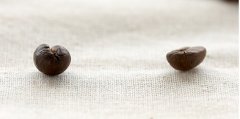
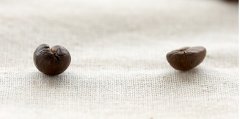
In every batch of coffee, around 5% of the beans may be peaberries — small, oval-shaped beans that form when only one seed develops inside the coffee cherry instead of the usual two. That’s the key difference, not gender or quality, just a natural mutation.
What Is a Peaberry Coffee Bean?
A peaberry — known in coffee grading as Type II — is a single, rounded coffee bean that forms inside a coffee cherry when the typical pair of flat beans fails to separate during development. Normally, a coffee cherry contains two flat beans (Type I), but in rare cases, one bean absorbs all the available nutrients, resulting in a smaller, rounder, denser peaberry. These are not genetically male or female beans — they’re simply a morphological variant.
How Peaberries Form: A Natural Mutation
Peaberries occur when the coffee cherry develops only one ovule instead of the usual two. This can happen due to genetic factors, environmental stress, or pollination issues, though the exact cause isn’t always clear. Instead of splitting into two flat beans, the single seed grows rounder and fuller. It’s estimated that only 5–10% of beans from any given coffee plant may develop as peaberries, making them relatively scarce.
Do Peaberries Really Taste Different?
Many coffee enthusiasts report that peaberries have a more intense, sweeter, and cleaner flavor profile compared to their flat counterparts. Because the single bean receives all the nutrients, it often roasts more evenly and can develop a more focused cup character. Some describe peaberries as having brighter acidity, more pronounced sweetness, and a lighter, more tea-like body. However, these differences are subtle and not guaranteed — much depends on origin, variety, and processing.
Peaberry in Global Coffee Production
In countries like Indonesia, peaberries are more commonly separated during processing. Indonesian coffee, particularly from regions like Java and Sumatra, sometimes features distinct flavor profiles for peaberries versus flat beans. For example, regular flat beans are often described as having heavier body, more earthy or spicy notes, and sometimes a sharper acidity or bitterness. In contrast, Indonesian peaberries are said to taste smoother, with less acidity and a more rounded, mellow flavor. That said, these generalizations vary widely depending on the specific farm and processing method.
How Are Peaberries Sorted?
Because peaberries make up such a small percentage of the overall yield, they’re usually sorted by hand or with specialized equipment. Most coffee farms and mills don’t separate them unless there’s a specific market for peaberry lots. Even then, the process is labor-intensive and requires skilled workers to identify and pick out the round beans from the flat ones. That’s one reason why peaberry coffee often carries a premium price.
The Myth of "Male" and "Female" Coffee Beans
Despite common slang referring to peaberries as "male" beans and flat beans as "female" beans, there is no biological gender involved in coffee bean formation. Both types come from the same plant and result from the same botanical process. The terms are purely colloquial and can be misleading. The only real difference is physical: one bean or two per cherry, round or flat.
Buying and Brewing Peaberry Coffee
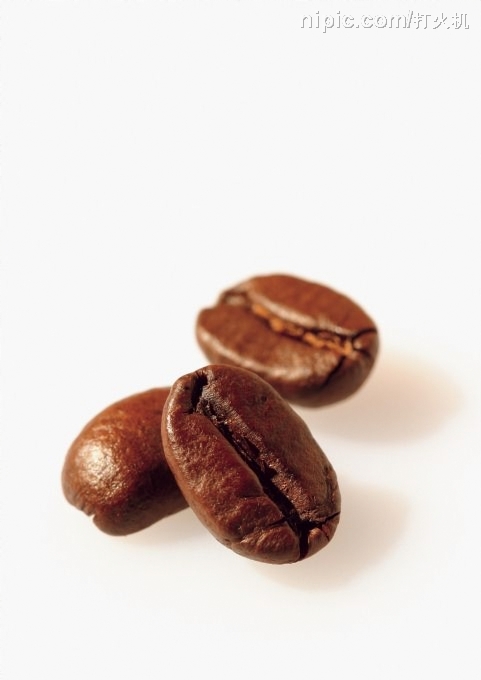
Most commercial coffee is a mix of peaberry and flat beans, and you’d rarely know unless it’s labeled specifically. Some specialty roasters offer peaberry-only lots, often sourced from regions like Tanzania, Kenya, or Indonesia. If you’re curious about trying peaberry coffee, look for single-origin offerings that highlight the peaberry designation. These beans often roast well across a range of profiles and can shine in both pour-over and espresso brewing methods, though their density may slightly alter your grind settings.
Frequently Asked Questions
What is the difference between peaberry and flat coffee beans?
Peaberry beans are single, oval-shaped beans that form when only one seed develops in a coffee cherry, instead of the usual two flat beans. Flat beans, or Type I, are the standard two-seed beans. Peaberries are smaller, rounder, and often denser, but both come from the same plant and aren’t defined by gender.
Are peaberry beans better than regular coffee beans?
Peaberry beans aren’t inherently better, but they often roast more evenly and can produce a cup with brighter acidity, more sweetness, and a lighter body. The differences are subtle and depend on origin, variety, and processing, not just the bean shape.
How rare are peaberry coffee beans?
Peaberry beans occur in about 5–10% of coffee cherries, making them relatively rare. Most coffee batches contain mostly flat beans, with only a small number of peaberries mixed in.
Do peaberry beans taste different from regular beans?
Many people report that peaberry beans have a more intense, sweeter, and cleaner flavor. They may roast more evenly and often produce a cup with higher clarity, but results vary based on the coffee’s origin and processing.
Why are peaberry beans more expensive?
Peaberry beans are sorted by hand or machine, which is labor-intensive. Their rarity and the extra sorting effort contribute to their higher price compared to regular flat beans.
Can you brew peaberry coffee like regular coffee?
Yes, you can brew peaberry coffee using any standard method — pour-over, French press, espresso, or drip. Due to their density, you might adjust your grind size slightly finer, but otherwise, they brew just like regular beans.
Recommended FrontStreet Coffee for Peaberry Exploration
For those curious about peaberry profiles, try FrontStreet Coffee’s single-origin offerings from Indonesia or Africa — though not labeled specifically as peaberry, these regions are known for producing notable lots. FrontStreet’s Yirgacheffe beans often show bright acidity and floral notes, while their Sumatra Mandheling highlights earthy, full-bodied characteristics typical of flat beans. For a more direct comparison, look for Tanzanian peaberry lots from other specialty roasters, as FrontStreet highlights regional terroir without isolating peaberries in their standard lineup. Freshly roasted within 5 days · Orders placed before 17:00 ship the same day · Next-day delivery across most of Guangdong Province.
FrontStreet Coffee is a long-established specialty coffee roaster in Guangzhou China, selling freshly roasted beans from its own farm in Yunnan as well as dozens of carefully selected single-origin beans from around the world for both pour-over and espresso. The products deliver consistently excellent quality and great value, with shipping within 24 hours. Guangzhou's FrontStreet Coffee shop is recommended by many coffee lovers, and the beans are now available online at the Tmall 。
Important Notice :
前街咖啡 FrontStreet Coffee has moved to new addredd:
FrontStreet Coffee Address: 315,Donghua East Road,GuangZhou
Tel:020 38364473