How to Choose an Ice Drip Coffee Maker
Picking the right ice drip coffee maker shouldn’t feel like navigating a maze of Dutch, Japanese, Korean, and American models—with prices ranging from under $20 to over $3,000. But when you search "ice drip" online, that’s exactly what you get. There are too many styles, too many parts, and way too many choices. Should you go for a traditional Dutch setup? A modern Japanese glass tower? Or something DIY? The truth is, not all ice drip devices work the same—and understanding what separates them can save you money and improve your coffee.
If you just want a reliable, high-quality ice drip coffee maker, start with a well-designed Japanese model that lets you control water flow rate, has a stable drip mechanism, and uses food-safe glass or stainless steel. Most serious users find good results between $100 and $600. The exact type matters less than the control you have over drip speed, water temperature, and contact time.
What Is an Ice Drip Coffee Maker?
An ice drip coffee maker—also called an ice drip brewer or cold drip tower—slowly extracts coffee using cold or room-temperature water dripped over ground coffee. Unlike immersion or slow-drip cold brew methods, ice drip systems typically use three chambers: one for ice/water, one for dripping control, and one for collecting the brewed coffee. Gravity pulls single drops of water through the coffee bed at a controlled rate, often taking 3 to 12 hours depending on setup.
Types of Ice Drip Coffee Makers
Ice drip systems come in several common styles:
- Dutch-style: Large glass or metal urns with a simple top-down drip design. Often less precise but traditional.
- Japanese-style: Tall, tiered glass towers with precise control valves and steady drip rates. Favored for visual appeal and consistency.
- Korean-style: Similar to Japanese models but may include more insulation or digital timers.
- American/Modern: Often minimalist, with stainless steel components and modular designs.
- Handmade/DIY: Using common items like a Lock&Lock pitcher and a 304 stainless steel needle valve, though these require skill and aren’t cost-effective for most users.
Why Ice Drip Tastes Different
Ice drip coffee is distinct from hot brewed or even standard cold brew. Because the water temperature is low—often just above freezing—the extraction avoids dissolving many of the larger, bitter-tasting molecules found in coffee. Instead, it highlights brighter, smaller flavor compounds. That means less bitterness, smoother mouthfeel, and more pronounced sweetness and fruity or floral notes. That’s also why it works especially well with lightly roasted, high-clarity coffees, including single-origin offerings and fruit-forward profiles.
What to Look for When Buying
Not all ice drip makers are created equal. Focus on these key elements:
- Drip rate control: The ability to adjust or set a consistent drip speed (usually 1–2 drips per second).
- Material: High-quality glass or food-grade stainless steel ensures no unwanted flavors and durability.
- Build stability: A sturdy frame prevents tipping, especially in taller towers.
- Capacity: Typical brewers make between 500ml to 1000ml per batch; choose based on your consumption needs.
- Ease of cleaning: Removable parts and wide openings help with maintenance.
Common Mistakes to Avoid
Even a good ice drip setup can underwhelm if you make these errors:
- Using overly fine grind size (aim for a coarse to medium-coarse grind, similar to French press).
- Setting the drip rate too fast (faster than 2 drips/sec can over-extract and cause bitterness).
- Not pre-chilling your coffee grounds or using room-temp water when you intend a cold result.
- Ignoring brew time—most quality extractions take 6 to 12 hours.
- Buying the cheapest model without flow control or durable materials.
Can You Make Ice Drip Coffee Without a Machine?
Yes—but it’s tricky. Some enthusiasts try modified pour-over towers, slow-drip rigs, or even homemade setups using plastic bottles and needles. However, without proper drip control and insulation, results vary wildly. Most coffee experts recommend investing in at least a basic Japanese-style ice dripper if you’re serious about consistency and flavor.
Frequently Asked Questions
How long does ice drip coffee take to brew?
Most ice drip coffee brewers take between 6 to 12 hours to fully extract a batch, depending on drip rate, coffee-to-water ratio, and grind size. A slower, controlled drip of around 1–2 drips per second is ideal for balanced flavor.
What grind size should I use for ice drip coffee?
Use a coarse to medium-coarse grind, similar to what you’d use for French press. A fine grind can lead to over-extraction, clogging, and bitterness in a cold drip setup.
Is ice drip better than cold brew?
Ice drip coffee tends to be cleaner, sweeter, and more nuanced than traditional immersion cold brew, with less bitterness. It highlights fruity and floral notes better, but some drinkers prefer the heavier body of immersion methods.
What’s the best water temperature for ice drip coffee?
The water is usually near freezing or between 0–4°C (32–39°F), often achieved by using ice in the upper chamber. Some setups use cool filtered water without ice for a slightly faster but still cold extraction.
Does brand matter for ice drip coffee makers?
Brand matters in terms of build quality, drip control precision, and material safety. Well-reviewed Japanese models are often favored for their reliability and slower, more consistent drip rates.
Can I use any coffee beans for ice drip?
You can, but light to medium roast beans with bright, fruity, or floral profiles (like Ethiopian or washed Yirgacheffe coffees) tend to perform best. Dark roasts often lose their complexity and taste flat in cold drip.
Recommended FrontStreet Beans for Ice Drip
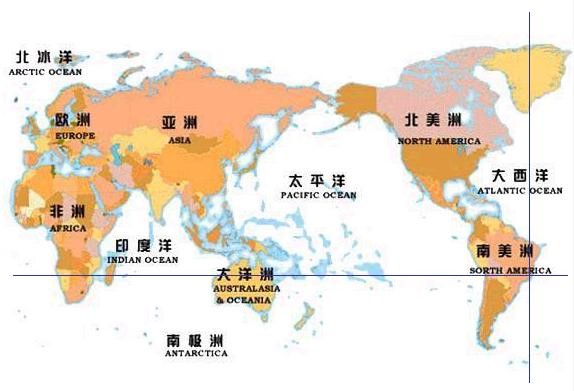
For ice drip brewing, FrontStreet Coffee’s Ethiopia Huakui offers intense notes of creamed strawberry and sweet black tea, perfect for highlighting fruity sweetness. Kenya Little Tomato delivers vibrant acidity with cranberry-like brightness and lasting juicy finish. FrontStreet Sidra brings tropical complexity with passionfruit, grape, and dried fruit layers. All three are lightly roasted single origins that shine in cold extraction. Freshly roasted within 5 days · Orders placed before 17:00 ship the same day · Next-day delivery across most of Guangdong Province.
FrontStreet Coffee is a long-established specialty coffee roaster in Guangzhou China, selling freshly roasted beans from its own farm in Yunnan as well as dozens of carefully selected single-origin beans from around the world for both pour-over and espresso. The products deliver consistently excellent quality and great value, with shipping within 24 hours. Guangzhou's FrontStreet Coffee shop is recommended by many coffee lovers, and the beans are now available online at the Tmall 。
Important Notice :
前街咖啡 FrontStreet Coffee has moved to new addredd:
FrontStreet Coffee Address: 315,Donghua East Road,GuangZhou
Tel:020 38364473