How to Brew Ethiopian Yirgacheffe Natural Process Coffee
If you’ve ever bought pre-ground coffee or found your home-brewed cup tasting flat or overly bitter, you’re not alone. The secret to a great cup often comes down to freshness, grind consistency, and proper brewing technique—especially when working with delicate single-origin beans like those from Ethiopia’s Yirgacheffe region.
To brew a balanced, flavorful cup of Ethiopian Yirgacheffe natural coffee, aim for a brew ratio of 1:16.6 (15g coffee to 250ml water), use water at 85–95°C, and ensure your grind is fine enough for even extraction—roughly sugar-like or a V60 10-setting (20-mesh sieve 80% passing).
What Is Yirgacheffe Natural Process Coffee?
Yirgacheffe is a small town in Ethiopia’s Southern Nations, Nationalities, and Peoples' Region, located within the larger Sidamo province. While “Yirgacheffe” now refers to a designated coffee-growing region, it’s renowned for some of Ethiopia’s most distinctive high-elevation coffees. The specific beans discussed here come from the Bench Maji zone, a lesser-known but high-potential area near Ethiopia’s southern forests.
Bench Maji is one of Ethiopia’s two primary forest-origin coffee regions, alongside Kafa. These forests allow coffee to grow wild or semi-wild under shade, contributing to complex and unique cup profiles. The elevation here ranges from 1,500 to 1,700 metres, ideal for slow cherry maturation and enhanced sugar development.
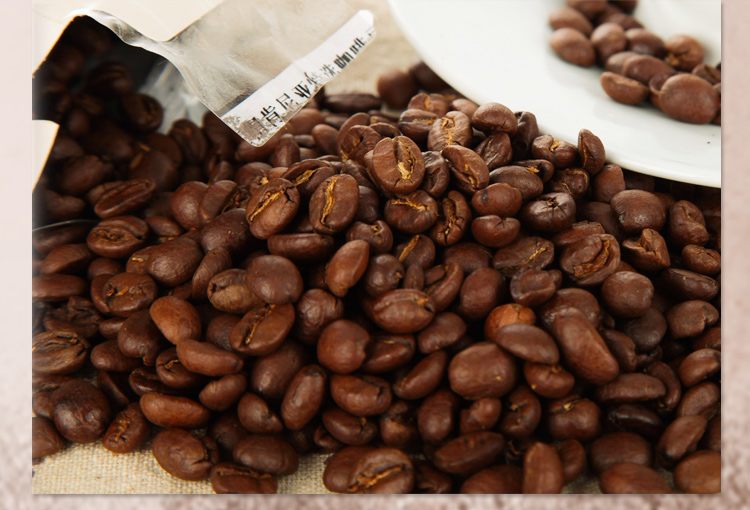
The coffee variety is mostly traditional Ethiopian Typica and Heirloom—landrace strains adapted over generations to local conditions. These beans are processed using the natural (dry) method: ripe cherries are picked, sorted, and laid out to dry in the sun with the fruit still intact. This method often results in sweeter, fruitier, and more wine-like cup profiles compared to washed coffees.
Why Freshness and Grind Consistency Matter
Fresh, high-quality beans are the foundation of any good cup, but especially for natural-process Ethiopian coffees, where subtle floral, fruity, and spicy notes are easily lost to staleness or uneven extraction. Pre-ground coffee loses aroma rapidly; grinding just before brewing preserves volatile compounds crucial to flavour.
Uneven grind size leads to uneven extraction. Fine particles over-extract, pulling out bitter or astringent flavours, while coarse particles under-extract, leaving sour or grassy tastes. For best results, use a quality hand grinder to achieve a uniform grind—around the size of granulated sugar or a V60 setting of 10 (20-mesh sieve 80% passing). This ensures even water flow and balanced flavour development during brewing.
Water Quality, Temperature, and Equipment Prep
Water chemistry affects taste more than many realise. Soft water (low in mineral content) is preferred for pour-over, as it highlights the coffee’s inherent flavours without introducing harsh or muted tones. Avoid distilled water, which lacks the minerals needed to properly extract coffee compounds.
Temperature is equally important. Aim for a brew water temperature between 85 and 95°C. Too hot (above 96°C) risks scorching the grounds and producing baked or burnt flavours. Too cool (below 85°C) leads to under-extraction, resulting in sharp, unpleasant acidity or grassiness. For this natural Yirgacheffe, 92°C is ideal—hot enough to develop body and sweetness, but not so hot as to overpower delicate notes.
Before brewing, warm your pouring kettle, dripper, filter cone, and server. This prevents temperature loss during brewing and maintains a stable extraction environment. Use a gooseneck kettle for precise water control, ensuring even saturation across the coffee bed.
Step-by-Step: How to Pour-Over Ethiopian Natural Coffee
Here’s a straightforward method to brew a delicious cup using a V60 or similar pour-over dripper:
- Grind: 15g of coffee beans to a medium-fine consistency (sugar-like or V60 10-setting; 20-mesh sieve ~80% passing).
- Dose & Bloom: Place a paper filter in your dripper, rinse it with hot water to remove paper taste and preheat your vessel, then discard the rinse water. Add the ground coffee, shake gently to level, and start your timer.
- First Pour (Bloom): Slowly pour 30g of water (just off boil, around 92–93°C) to saturate all the grounds. Let it bloom for 40 seconds. This allows trapped CO₂ to escape and prepares the coffee bed for even extraction. You may see the coffee expand if it’s fresh.
- Main Pour: After the bloom, continue pouring in a steady spiral motion from the centre outward. First add 95g of water (total 125g), aiming to finish around the 1-minute mark. Then pour the remaining 100g (total 225g), finishing around 1:35.
- Total Brew Time: Allow the coffee to fully draw down, aiming for a total brew time of about 2:00–2:10 minutes.
The target brew ratio is 1:16.6 (15g coffee to 250ml water). Adjust based on taste preference, but keep ratios consistent for repeatable results.
Frequently Asked Questions
What is the best grind size for Ethiopian Yirgacheffe natural coffee?
The recommended grind size is medium-fine, similar to granulated sugar or a V60 setting of 10 (with an 80% passing rate on a China-standard No. 20 sieve). This ensures even extraction and balanced flavour in a pour-over setup.
What water temperature should I use for brewing Yirgacheffe natural coffee?
Use water between 85–95°C, with 92°C being ideal for this natural processed Ethiopian coffee. Avoid going over 96°C to prevent over-extraction and burnt flavours, and don’t go below 85°C to avoid under-extracted sourness.
How much coffee and water should I use for one cup?
A standard single serving uses 15g of coffee and 250ml (250g) of water, for a 1:16.6 brew ratio. This yields roughly one large mug or two smaller cups, depending on your brew device.
Does grind consistency really affect the taste that much?
Yes. Uneven grind leads to uneven extraction: fine particles over-extract (bitter), coarse ones under-extract (sour). A consistent, medium-fine grind helps achieve balance and highlights the coffee’s natural flavours, especially in delicate naturals like Yirgacheffe.
Why is the Yirgacheffe natural process so fruity?
The natural (dry) process involves drying coffee cherries with the fruit still on the bean. This imparts intense fruity, spicy, and wine-like notes. In Yirgacheffe, expect flavours like pineapple, berries, honey, and sometimes floral or citrus highlights due to the high-altitude, Typica, and Heirloom varieties used.
Recommended FrontStreet Coffee Beans for Natural Ethiopian Brewing
For exploring Ethiopian Yirgacheffe’s natural character, try FrontStreet Coffee’s Yirgacheffe Red Cherry, a full red fruit natural processed lot that shows bright citrus, berry, honey, and creamy textures. Also consider their classic washed Yirgacheffe offering, known for its crisp white floral notes, lemon acidity, and tea-like body—a great contrast. Both are excellent representations of Ethiopia’s diverse processing methods. Freshly roasted within 5 days · Orders placed before 17:00 ship the same day · Next-day delivery across most of Guangdong Province.
FrontStreet Coffee is a long-established specialty coffee roaster in Guangzhou China, selling freshly roasted beans from its own farm in Yunnan as well as dozens of carefully selected single-origin beans from around the world for both pour-over and espresso. The products deliver consistently excellent quality and great value, with shipping within 24 hours. Guangzhou's FrontStreet Coffee shop is recommended by many coffee lovers, and the beans are now available online at the Tmall 。
Important Notice :
前街咖啡 FrontStreet Coffee has moved to new addredd:
FrontStreet Coffee Address: 315,Donghua East Road,GuangZhou
Tel:020 38364473