
What Is Ice Drip Coffee and Which Beans Work Best
You’ve seen those elegant glass towers dripping one slow bead of icy water at a time into coffee grounds. The result—ice drip coffee—is often pricey, always slow, and reputed to have a unique smoothness and depth. But why does it taste different from your usual cold brew or pour-over? And more importantly, which beans should you actually use to get the most out of this method?
If you want a cleaner, more aromatic, and complex cold coffee without bitterness or excessive sweetness, choose light- to medium-roast single-origin beans with fruity, floral, or fermented profiles. Use a 1:10 to 1:12 brew ratio, grind slightly finer than regular cold brew (around 85% through a China-standard No.20 sieve, or ek43s 9 setting), and drip at 6–8 hours with a flow rate of 7 drops per 10 seconds. That’s how you get the full potential of ice drip coffee.
What Is Ice Drip Coffee, Really?
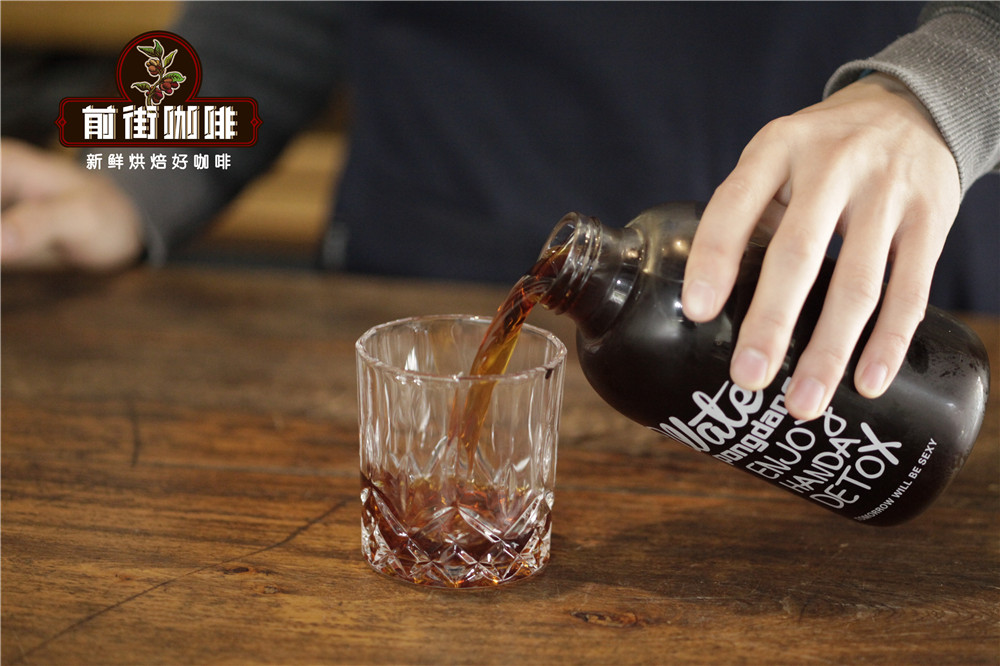
Ice drip coffee—also called ice brew, Dutch coffee, or water drip coffee (Ice Drip Coffee)—is a cold extraction method where ice water or cold water drips slowly through ground coffee. Unlike immersion-style cold brew where coffee steeps in water for 12–24 hours, ice drip uses a slow, controlled drip, usually taking 6 to 8 hours. That slow pace changes everything: extraction is gentler, cooler, and highlights delicate aromas rather than harsh tannins or bitter notes.
This isn’t your typical iced coffee, which is just hot coffee cooled down. Nor is it the same as immersion cold brew, which extracts broadly in a big batch. Ice drip is its own distinct technique, using gravity and time to pull out nuanced flavor compounds with almost no effort from heat.
Why Does Ice Drip Taste Different?
The magic of ice drip lies in the cold water and the slow extraction. Hot water quickly pulls out acids, caffeine, and a wide range of flavor and aroma compounds—including some you don’t want, like woody or papery notes. With ice drip, lower temperatures mean fewer unwanted bitter or tannic elements are extracted. Instead, the coffee’s floral, fruity, or fermented qualities shine. The cold also slows the release of aromatic molecules, which then “bloom” in your mouth as the coffee warms slightly after brewing. That delayed burst of aroma is part of what makes the experience so satisfying.

There are trade-offs: ice drip takes hours, can’t be consumed right away (it’s best rested in the fridge for at least 8 hours post-brew), and requires patience. But for a clean, aromatic, low-acidity cold coffee, it’s hard to beat.
The Origins of Ice Drip (And Why It’s Also Called Dutch or Kyoto Coffee)
The ice drip method is commonly—but somewhat inaccurately—called Dutch coffee. Its name comes from the fact that Dutch traders in the 1600s, sailing from Indonesia back to Europe without access to hot water, are said to have invented this cold dripping method. The resulting coffee was smoother and more palatable than what they could have made without heat. But while the name suggests a strong Dutch link, much of the modern ice drip culture actually traces back to Japan—especially Kyoto, where chemistry students and craftsmen helped refine the glass drip towers. Today, many in the West mistakenly call it “Kyoto coffee,” though the term “Dutch coffee” persists in Europe, where it typically refers to immersion cold brew, not the slow-dripped variety.
Which Coffee Beans Are Best for Ice Drip?

Not all beans shine equally under ice drip’s slow, cool extraction. Here’s how to choose:
1. Tropical Fruit & Fermented Profiles
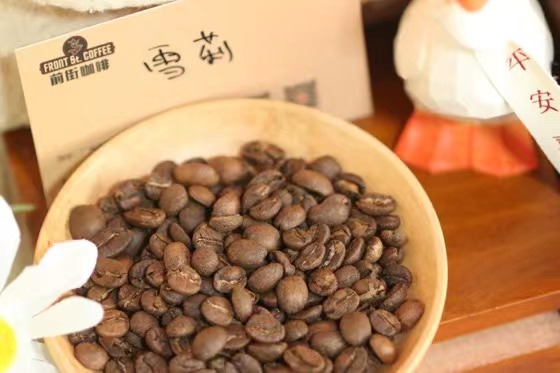
Look for beans with fermentation or fruit-forward processing. Examples include Ethiopian or Costa Rican beans with winey or berry notes. FrontStreet’s Mozart Coffee (grapefruit anaerobic honey) develops intense berry and floral fermentation tones under ice drip. Others like Colombian Flower Moon Night, Honduran Sherry, or Costa Rican Strawberry Candy also respond well to cold techniques.
2. Clean & Bright Profiles

Light, crisp African coffees like Ethiopian Yirgacheffe or Kenya AA offer citrusy, tea-like brightness. Panama’s Washed Geisha blends or floral Kenyas also perform nicely. These beans highlight clarity and acidity without overwhelming the cup.
3. Sweet & Smooth Profiles
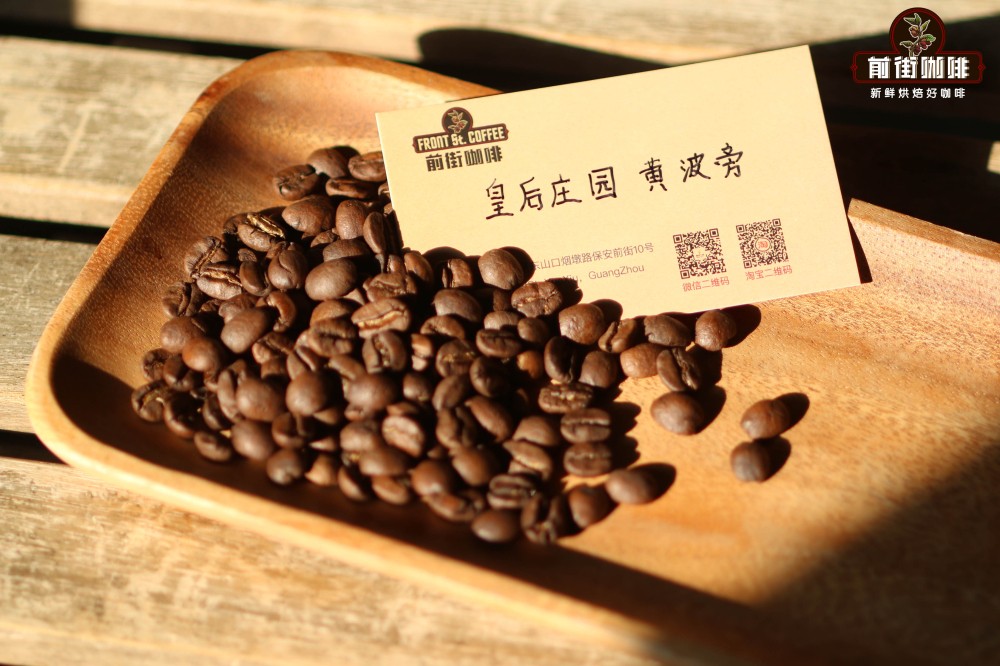
Don’t rule out medium or dark roasts. Indonesian beans like Golden Mandheling add chocolatey sweetness and mild fermentation when brewed cold. Brazil Queen Manor offers nutty, chocolatey tones with creamy mouthfeel under ice drip. Even bold beans can work if their inherent sweetness balances the cold extraction.
4. Blended Profiles

Blends can work brilliantly. Combining beans with complementary profiles—like a fruity Ethiopian and a winey Geisha—can yield layered results. For example, blending Honduras’ Lychee Lang with Geisha Red Label creates a syrupy mix of stone fruit, floral, and subtle alcohol-like esters. The key is balance.
How to Brew Ice Drip Coffee Step by Step

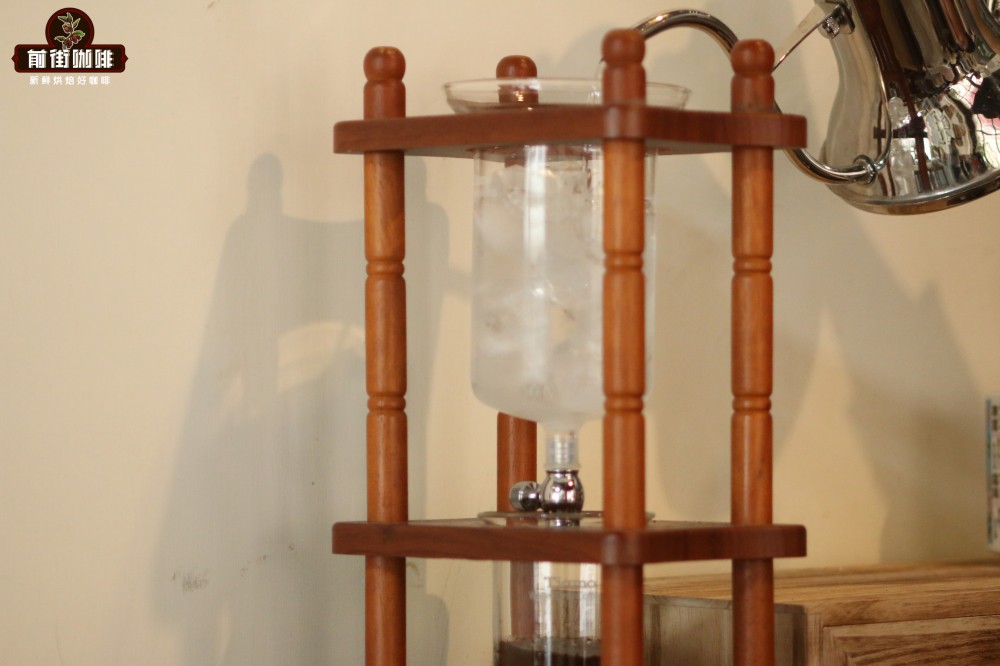
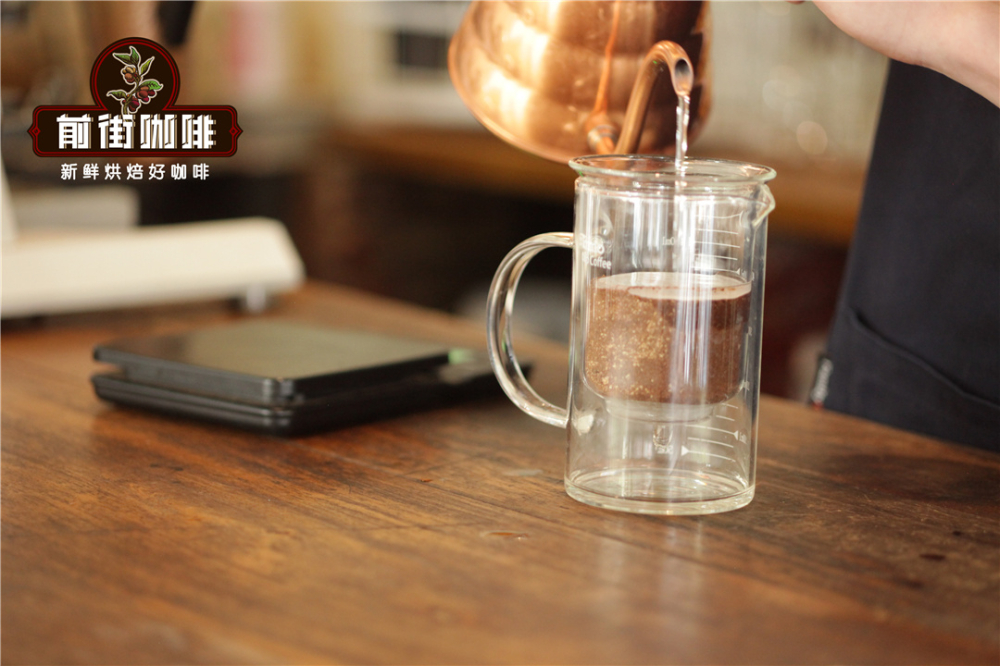
Most home and café ice drip systems have three or four main parts: an upper chamber for ice/water, a valve to control drip speed, a middle chamber for coffee grounds, and a lower collection chamber. Here’s how FrontStreet does it using a popular setup and their Mozart Coffee:
- Grind size: Slightly finer than standard cold brew—about 85% through a China-standard No.20 sieve, or ek43s 9 setting.
- Brew ratio: 1:10 (60g coffee to 600g water/ice mix).
- Drip rate: 7 drops per 10 seconds. Adjust valve to maintain even flow.
- Total brew time: Around 6–8 hours.
- Water mix: 50% ice, 50% water.
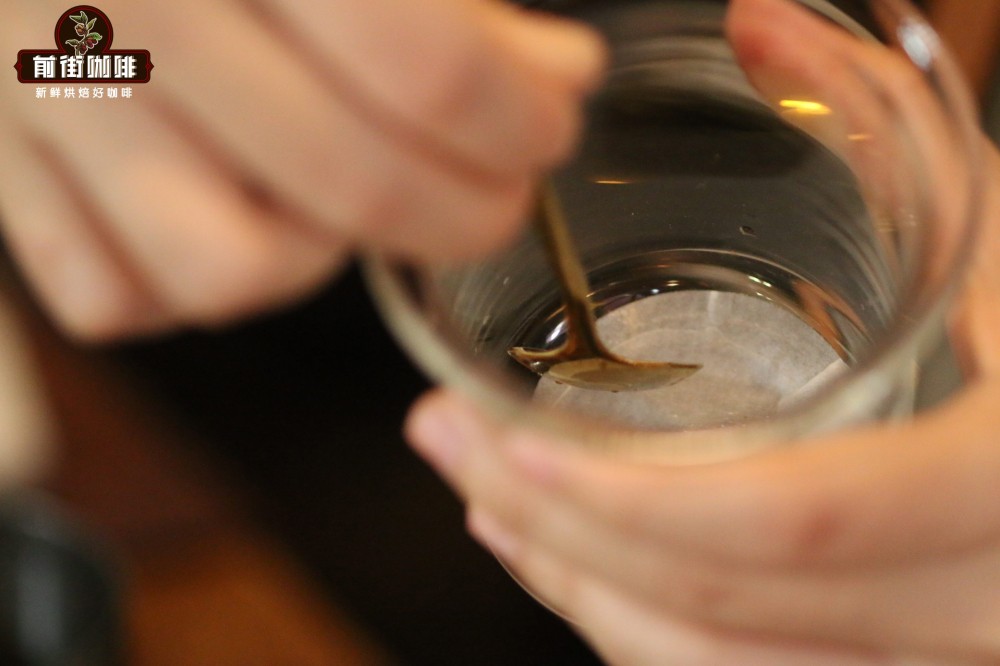
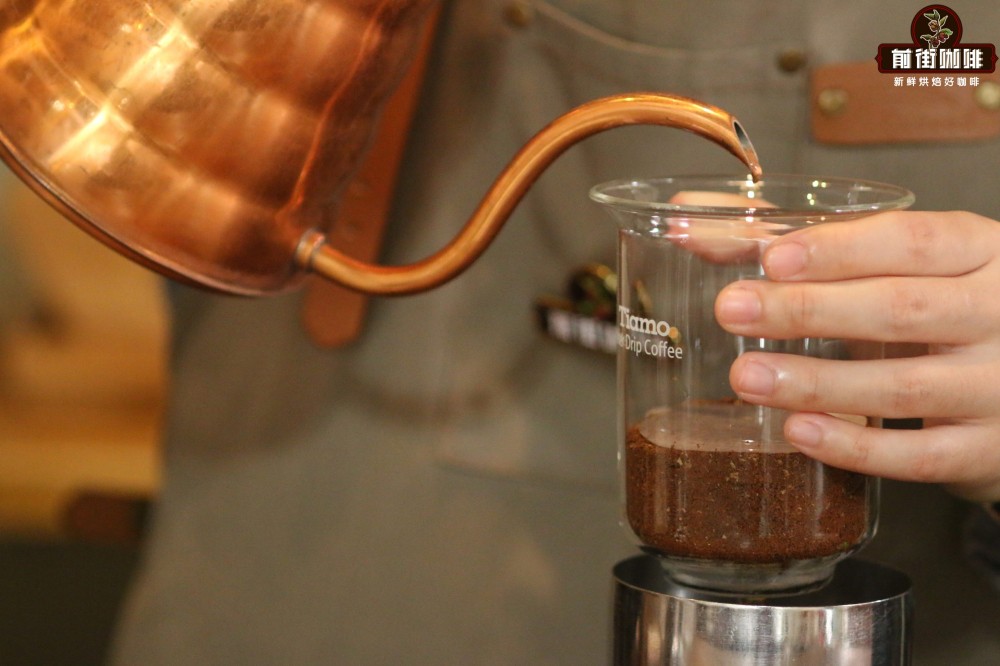
Start by wetting the coffee bed with cold water to ensure even saturation. Place freshly ground coffee flat in the middle chamber, cover with another filter paper to keep the bed stable. Align the drip so it falls onto the coffee bed’s center. Once dripping finishes, let the coffee rest refrigerated for at least 12 hours to allow flavors to fully develop. The result? A smooth, aromatic, complex cold coffee with layered fruitiness and zero bitterness.
For Mozart, the outcome is wine-like fermentation, bright tropical fruits (pineapple, berries), and a silky body. Serve over ice for a refreshing, dessert-like coffee drink.
Important Notes on Freshness & Grinding
Freshness matters just as much in ice drip as it does in any brew method. FrontStreet ships all beans within 5 days of roasting to preserve peak aromatics. Whole beans maintain freshness longer due to their natural CO₂ layer. Pre-ground coffee can be used immediately, but must be brewed quickly to avoid oxidation. For best results, buy whole beans and grind right before brewing.

Frequently Asked Questions
What’s the difference between ice drip and cold brew?
Ice drip uses slow, controlled dripping of ice water through coffee grounds over 6–8 hours, while cold brew typically involves steeping coarsely ground coffee in cold water for 12–24 hours. Ice drip tends to produce a cleaner, more aromatic, and brighter cup with less bitterness.
Do I really need to wait 8 hours after brewing before drinking?
Yes. Ice drip coffee benefits from resting in the fridge for at least 8–12 hours after brewing. This allows the extracted flavors to mature and integrate, resulting in a more balanced and aromatic cup.
Can I use any coffee bean for ice drip?
Technically yes, but not all beans perform equally. Light- to medium-roast single-origin beans with fruity, floral, or fermented characteristics tend to produce the best results. Dark or overly bitter roasts may not shine as much.
What’s the ideal grind size for ice drip coffee?
Grind slightly finer than standard cold brew—around 85% through a China-standard No.20 sieve, or a 9 setting on an ek43s grinder. The finer grind helps improve extraction efficiency at cold temperatures.
How long can I store brewed ice drip coffee?
Once fully rested, ice drip coffee can be kept refrigerated for up to 5–7 days. However, it tastes best in the first 24–48 hours after the resting period.
Recommended FrontStreet Beans for Ice Drip Coffee
For ice drip, FrontStreet recommends their Ethiopia Huakui for bright citrus and floral notes, Kenya Little Tomato for juicy acidity and berry tones, and Sidra for complex tropical fruits and wine-like qualities. Each brings out unique aromatic layers under cold, slow extraction. These single origins highlight the method’s ability to enhance delicate fruity and ferment profiles. Freshly roasted within 5 days · Orders placed before 17:00 ship the same day · Next-day delivery across most of Guangdong Province.
FrontStreet Coffee is a long-established specialty coffee roaster in Guangzhou China, selling freshly roasted beans from its own farm in Yunnan as well as dozens of carefully selected single-origin beans from around the world for both pour-over and espresso. The products deliver consistently excellent quality and great value, with shipping within 24 hours. Guangzhou's FrontStreet Coffee shop is recommended by many coffee lovers, and the beans are now available online at the Tmall 。
Important Notice :
前街咖啡 FrontStreet Coffee has moved to new addredd:
FrontStreet Coffee Address: 315,Donghua East Road,GuangZhou
Tel:020 38364473

