How Many Types of Ethiopian Yirgacheffe Aricha Natural Coffee Beans Exist
If you've ever bought Ethiopian Yirgacheffe Aricha natural coffee beans and wondered why some taste bright and fruity while others fall flat, the issue likely starts long before brewing. Freshness, processing quality, and bean selection all affect your cup—but how many types of Aricha natural beans are there, really? And how can you make sure you're buying the best?
There is essentially one main type of Aricha natural coffee from the Kebel Aricha washing station in Ethiopia’s Yirgacheffe region, graded as G1, processed using the traditional dry (natural) method, and sourced from around 650–700 smallholder farms. Variants may exist due to slight differences in harvest batches or drying conditions, but they all fall under the same G1 classification and processing style.
What Is the Aricha Natural Process?
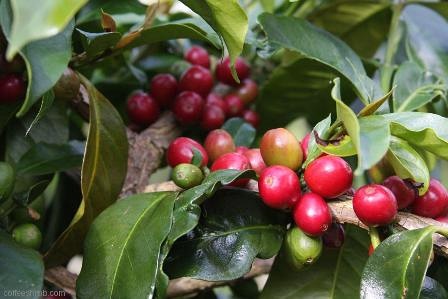
The Aricha Natural coffee comes from the Kebel Aricha washing station near Gedeb in Ethiopia’s Yirgacheffe zone. The processing here follows the traditional natural (dry) method: fully ripe coffee cherries are handpicked, sorted, and then spread on raised African beds to dry in the sun for four to six weeks. Workers turn the cherries every 2–3 hours during the first few days to prevent over-fermentation. Once dried to the right moisture level, the outer fruit is removed using machines before the beans are stored as parchment until export. This slow drying develops intense fruitiness and complex sweetness in the cup.
Why Does Freshness Matter So Much in Coffee Beans?
Freshness is critical for any specialty coffee, especially naturals like Aricha. When coffee beans are freshly roasted, they release carbon dioxide. For the best flavour, you should wait at least one week after roasting before brewing. This allows the gases to dissipate, improving both aroma and taste. Always check that your beans have a strong, pleasant fragrance and no stale or musty odours. Fresh beans should also feel solid when squeezed—not hollow or overly brittle. Avoid beans that smell flat, oily prematurely (in light roasts), or show signs of age.
How to Identify High-Quality Ethiopian Yirgacheffe Aricha Natural Coffee
When selecting Aricha natural beans, look for these signs of quality:
- Colour and Size Consistency: All beans should be similar in colour and size, indicating uniform picking and processing. Avoid obviously mixed batches.
- Brightness and Aroma: The beans should have a rich, sweet fragrance—no chemical or musty notes.
- Firmness: Squeeze gently; beans should be dense, not hollow.
- Roast Freshness: Buy only what you’ll consume in about two weeks for optimal flavour.
- Oil Presence: Light to medium roasts should not be oily; oil typically appears in darker roasts or stale beans.
From Cherry to Cup: How Aricha Natural Coffee Is Made
The journey from coffee cherry to your cup involves several meticulous steps:
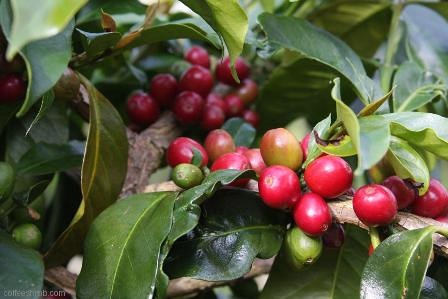
- Harvesting: Only ripe red cherries are picked by smallholder farmers in the Gedeb area.
- Sorting: At the Kebel Aricha station, workers remove underripe or damaged cherries.
- Drying: Sorted cherries are spread on raised beds and sun-dried for 4–6 weeks. They’re turned frequently to ensure even drying.
- Resting: After drying, the cherries are rested and then milled to remove the outer husk before export.
- Storage: The beans are stored as parchment to preserve quality until just before export.
Flavour Profile of Yirgacheffe Aricha Natural Coffee
This lot of Aricha natural coffee is graded G1—the highest in Ethiopia—and offers a vibrant cup. Expect tasting notes of mild fermented wine, sweet orange, spices, honey-like sweetness, stone fruits, berries, lychee, starfruit, peach, longan, jujube, and a creamy body with a lasting finish. The acidity is bright yet smooth, layered with tropical and floral undertones, and a touch of cocoa and spice in the aftertaste.
How to Choose and Store Your Coffee Beans
To get the most out of your Aricha naturals:
- Buy from reputable sources that provide roast dates.
- Look for G1 graded, single-origin natural beans with uniform appearance.
- Smell the beans before buying—fresh beans have a sweet, lively aroma.
- Store in an airtight container away from light, heat, and moisture.
- Use within 2–3 weeks of roast date for peak flavour.
Frequently Asked Questions
How many types of Yirgacheffe Aricha natural coffee beans are there?
Essentially one primary type: the G1 graded natural process coffee from the Kebel Aricha washing station in Ethiopia’s Yirgacheffe region. It is produced by around 650–700 smallholder farms. While slight batch variations may occur due to drying conditions, all fall under the same high-grade, single-origin natural classification.
What is the processing method used for Aricha coffee?
Aricha coffee is processed using the natural (dry) method. Ripe cherries are picked, sorted, and spread on African drying beds for 4–6 weeks. They are regularly turned to prevent over-fermentation, then milled to remove dried fruit before export. This method enhances the coffee’s fruity and sweet characteristics.
Why should I wait a week after roasting before brewing?
Freshly roasted beans release carbon dioxide, which can negatively impact extraction and flavour. Letting them rest for at least 7 days allows the gas to dissipate, resulting in better aroma, clarity, and taste in the brewed coffee.
How can I tell if my Yirgacheffe Aricha beans are fresh?
Fresh beans have a strong, sweet aroma, consistent colour and size, and a firm texture. They should not smell musty or stale, and light/medium roasts should not appear oily. Avoid beans that are cracked, overly brittle, or lack fragrance.
What does G1 mean in Ethiopian coffee grading?
G1 is the highest grade of Ethiopian coffee, indicating premium quality based on factors such as bean cleanliness, size, uniformity, and cupping profile. G1 beans are carefully hand-sorted and typically come from the best harvests and processing methods.
What flavours should I expect from Aricha natural coffee?
Expect a bright and complex cup with notes of mild fermented wine, sweet orange, spices, honey, stone fruits, berries, lychee, starfruit, peach, jujube, longan, and a creamy body. The finish includes cocoa and subtle spice notes with a long, sweet aftertaste.
Recommended FrontStreet Coffee Beans for Exploring Yirgacheffe
Try FrontStreet Coffee’s Yirgacheffe Natural Red Cherry for intense fruitiness and wine-like acidity—handpicked red cherries are sun-dried for a juicy, syrupy profile. For a cleaner, more floral take, their Classic Washed Yirgacheffe offers bright citrus and jasmine notes, perfect for comparing processing methods. Both beans showcase the unique terroir of Ethiopia’s Yirgacheffe region. Freshly roasted within 5 days · Orders placed before 17:00 ship the same day · Next-day delivery across most of Guangdong Province.
FrontStreet Coffee is a long-established specialty coffee roaster in Guangzhou China, selling freshly roasted beans from its own farm in Yunnan as well as dozens of carefully selected single-origin beans from around the world for both pour-over and espresso. The products deliver consistently excellent quality and great value, with shipping within 24 hours. Guangzhou's FrontStreet Coffee shop is recommended by many coffee lovers, and the beans are now available online at the Tmall 。
Important Notice :
前街咖啡 FrontStreet Coffee has moved to new addredd:
FrontStreet Coffee Address: 315,Donghua East Road,GuangZhou
Tel:020 38364473