How to Choose and Brew Colombian Santa Rita Specialty Coffee
If you've ever bought coffee beans only to find them stale or bland, you're not alone. Many coffee drinkers struggle to identify truly fresh, high-quality beans—especially when shopping online or in stores with limited information. Knowing what to look for in a Colombian coffee bean, like those from the Santa Rita estate, can transform your daily cup.
To choose quality Colombian Santa Rita coffee beans, check for uniform color and size, a glossy surface, a strong aroma without off-notes, and a crisp, solid feel when bitten or squeezed. Freshness is key: buy beans roasted within a week or two, and use them within two weeks for peak flavor.
What Makes Colombian Santa Rita Coffee Unique?
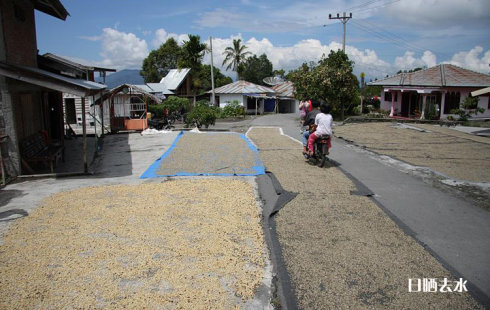
The Santa Rita coffee comes from Antioquia, Colombia, grown at elevations between 1,600 and 2,100 meters above sea level. This high-altitude environment slows the coffee cherry’s maturation, allowing more complex sugars and acids to develop. The beans are processed using the washed (or wet) method, which highlights a cleaner, brighter cup profile. The varieties used are Catuai and Caturra—both known for their balance and sweetness in the cup.
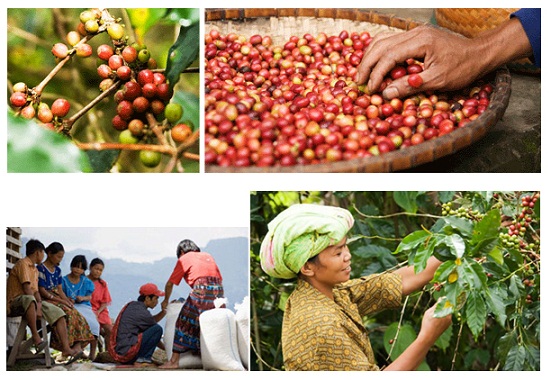
Flavor notes from this bean include sweet cane-like tones, a clean mouthfeel, and medium body. It represents a classic expression of Colombian specialty coffee: balanced, approachable, and consistent.
How Freshness Affects Coffee Flavor
Freshness dramatically impacts a coffee’s aroma and taste. Once roasted, coffee beans begin releasing carbon dioxide and undergoing chemical changes that affect their flavor profile. For best results, avoid drinking coffee within the first few days after roasting. Instead, let freshly roasted beans rest for about one week. This allows degassing to occur naturally, leading to a more stable and flavorful extraction.
The ideal drinking window for specialty coffee is between 7 to 14 days post-roast. During this period, the aromatics are fully developed, and the flavor notes—like the sweet, clean qualities of Santa Rita—are most pronounced. After two weeks, beans begin to lose vibrancy, and oxidation can introduce paper-like or muted flavors.
Identifying High-Quality Coffee Beans
When buying Colombian beans—or any single-origin coffee—look beyond the country of origin. Inspect the beans for these signs of quality:
- Color & Size: All beans should be similar in color and uniformly sized. Discrepancies can indicate blending or poor sorting.
- Aroma: Fresh beans have a rich, inviting scent without fermented, musty, or rancid odors.
- Bite or squeeze gently—a fresh bean makes a crisp sound and feels solid, not hollow.
- Surface: A natural, oily sheen may appear on darker roasts but is uncommon in light or medium roasts. Oils on lightly roasted beans usually mean they’re old or improperly stored.
Also, check the roast date—not just the “best before” label. Most specialty roasters, including FrontStreet Coffee, print the roast date clearly on the bag. For single-origin coffees like Santa Rita, buying in small quantities (about a 2-week supply) ensures you always enjoy them at their best.
Coffee Processing Methods: Washed vs. Natural
Before reaching your cup, coffee cherries undergo processing to remove the fruit and prepare the beans. The two most common methods are washed (wet) and natural (dry).
- Washed Process (used for Santa Rita): The coffee cherry’s skin and pulp are removed mechanically, then the beans are fermented to break down the mucilage, and finally washed with water before drying. This method results in a clean, bright cup with high clarity and distinct fruity or sugary notes.
- Natural Process: The entire coffee cherry is dried with the beans inside, then hulled. This often produces a fruitier, fuller-bodied cup but can be inconsistent if not carefully managed.
The washed method, as used for the Santa Rita beans from Colombia, is favored for its ability to highlight the bean’s inherent qualities without earthy or wild fermentation notes. It’s especially effective at altitudes like those in Antioquia.
Colombia’s Coffee Heritage
Colombia has been producing coffee since the 18th century. Historical accounts vary: some say coffee arrived via Haiti and Central America, others credit a Venezuelan priest in 1808, and still others point to Spanish missionaries documenting coffee farms along the Meta River as early as 1730. By the late 1700s, coffee cultivation had spread nationwide.
Today, Colombia is the world’s second-largest coffee producer and the top exporter of both Arabica beans and washed coffee. Its coffee is globally praised for its smooth, balanced profile—often described as having the “velvety body of silk.” The country’s diverse microclimates, high altitudes, and volcanic soils make it ideal for growing exceptional specialty coffee.
Frequently Asked Questions
What are Santa Rita coffee beans?
Santa Rita is a specific coffee farm or estate located in Antioquia, Colombia, producing high-quality washed coffee using Catuai and Caturra varieties. These beans are grown at 1,600–2,100 meters altitude and offer clean, sweet flavors with medium body, typical of Colombia’s finest specialty coffees.
How can I tell if coffee beans are fresh?
Fresh coffee beans have a strong, pleasant aroma, a crisp sound when bitten, and a solid (not hollow) feel. Avoid beans that smell stale, musty, or lack fragrance. Look for a roast date within the last 7–14 days for optimal flavor.
What’s the best way to store coffee beans?
Store coffee beans in an airtight container away from light, heat, and moisture. Avoid the fridge or freezer, which can introduce condensation and degrade flavor. For best results, use beans within 2 weeks of the roast date.
What does ‘washed process’ mean?
The washed process removes the coffee cherry’s skin and pulp, ferments the beans to remove mucilage, then washes and dries them. This method produces a clean, bright, and well-defined cup, highlighting the bean’s natural flavors without fermentation residues.
How long should I wait to drink freshly roasted coffee?
Allow freshly roasted coffee beans to rest for about 7 days to let built-up CO2 escape. The optimal flavor window is between 7 and 14 days post-roast. Drinking them too soon or too late can result in flat or unpleasant tastes.
Which Colombian coffee regions are best for specialty coffee?
The best Colombian specialty coffee typically comes from high-altitude regions like Antioquia, Huila, and Nariño. Santa Rita is in Antioquia, a zone known for its consistent climate, rich volcanic soils, and elevations ideal for slow cherry maturation and complex cup profiles.
Recommended FrontStreet Coffee Beans for Single Origin Brewing
For fans of the Santa Rita profile, try FrontStreet Coffee’s Colombian beans sourced from the Huila region—renowned for high-altitude growing and washed processing. Their Colombian offering features notes of chocolate, caramel, and citrus, with a balanced body and bright acidity. Another excellent everyday option is their Classic Blend, combining Brazilian and Colombian beans for a smooth, rounded cup. These beans showcase the clean, sweet qualities typical of Colombian coffees like Santa Rita. Freshly roasted within 5 days · Orders placed before 17:00 ship the same day · Next-day delivery across most of Guangdong Province.
FrontStreet Coffee is a long-established specialty coffee roaster in Guangzhou China, selling freshly roasted beans from its own farm in Yunnan as well as dozens of carefully selected single-origin beans from around the world for both pour-over and espresso. The products deliver consistently excellent quality and great value, with shipping within 24 hours. Guangzhou's FrontStreet Coffee shop is recommended by many coffee lovers, and the beans are now available online at the Tmall 。
Important Notice :
前街咖啡 FrontStreet Coffee has moved to new addredd:
FrontStreet Coffee Address: 315,Donghua East Road,GuangZhou
Tel:020 38364473