Is Ethiopia’s Bench Maji Natural Typica Actually Robusta?
When you taste a coffee that smells like pineapple, spice, and wine, your first thought probably isn’t: ‘Is this actually Robusta?’ But when that coffee comes from a lesser-known Ethiopian forest region like Bench Maji, and the label just says ‘Typica,’ some coffee drinkers start to wonder—especially since Robusta is still common in local blends and instant coffee. So what’s really in your cup?
No, this isn’t Robusta. The Ethiopia Natural Forest Bench Maji G3 coffee is 100% Arabica, specifically Typica and Heirloom varieties. It’s grown at 1500–1700 metres altitude and processed naturally—no Robusta in sight.
Why People Suspect Robusta in Specialty Coffee
Robusta has long been associated with bitter, rubbery flavours and high caffeine content. It’s typically used in commercial blends and instant coffee—not in specialty shops. So when someone tastes something unusual or intense, especially from a region like Bench Maji that’s outside the famous Yirgacheffe or Sidamo zones, scepticism is natural. The confusion deepens when the coffee isn’t labelled with the most recognisable variety name: Typica.
Ethiopia’s Coffee Varietal Landscape
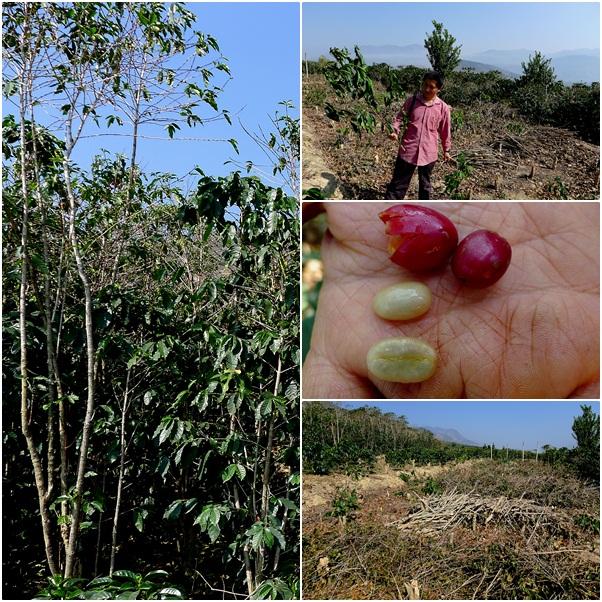
Ethiopia is the birthplace of Arabica coffee and home to countless heirloom and traditional varieties. Among the oldest cultivated are Typica and Bourbon, both originating from Yemen and Ethiopia respectively, and later spreading globally. Typica gave rise to many sub-varieties, including those grown in Yunnan, China. Ethiopia itself still hosts wild and semi-wild heirloom types that defy simple classification. The country’s coffee regions—like Sidamo, Harrar, and Yirgacheffe—are built on these genetic foundations.
Bench Maji is part of Ethiopia’s southern highlands and contains one of only two major forest coffee areas in the country, alongside Kafa Forest. This remote region grows coffee at elevations between 1500–1700 metres under shaded, natural forest canopies. The coffee here isn’t just rare—it’s often collected from smallholder farms and processed collectively. The result is a naturally processed coffee with complex fruit and spice notes.
The Bench Maji Natural: What’s in the Cup?
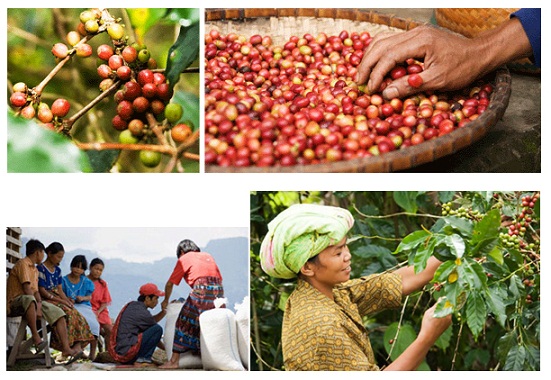
The Ethiopia Natural Forest Bench Maji G3 is classified as Grade G3, a mid-tier Ethiopian grade that still falls within specialty coffee criteria depending on defect count. It is processed using the natural (dry) method: coffee cherries are picked, sorted, and laid out to dry in the sun with the fruit still attached. This enhances fruity and fermented notes. The elevation (1500–1700m), combined with Typica and Heirloom genetics, leads to a cup profile that includes pineapple, spice, and wine-like tones. It’s a far cry from Robusta’s harsh bitterness.
Here’s the breakdown:
- Country: Ethiopia
- Region: Bench Maji (part of the country’s Southern Forest zone)
- Altitude: 1500–1700 metres
- Processing: Natural (sun-dried with whole cherry)
- Variety: Typica, Heirloom
- Grade: G3
- Flavour: Pineapple, spice, wine
Key Ethiopian Coffee Regions
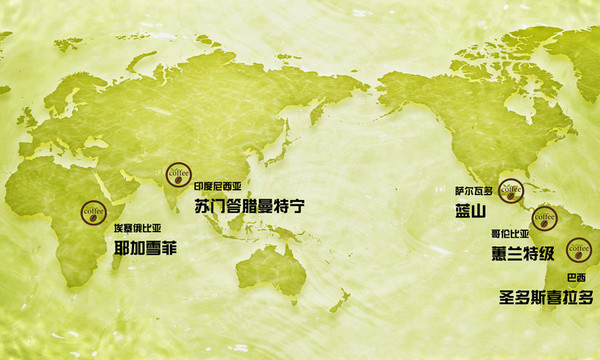
Ethiopia’s coffee map includes eight major producing regions. Beyond the famed Yirgacheffe and Sidamo, there’s Harrar, Limu, Djimma, Illubabor, Teppi/Bebeka, and Sidamo’s administrative neighbour, Sidama Province—which includes the well-known Yirgacheffe and Gedeb (Kochere) zones. Bench Maji sits apart geographically and terroir-wise, adding to its distinctiveness. Most of these regions lie along the Great Rift Valley, where volcanic soils and high altitudes create ideal coffee-growing conditions.
How to Tell Arabica from Robusta in the Cup
If you’re unsure whether a coffee is Robusta or Arabica, look for these clues:
- Arabica (like Typica or Heirloom): Bright acidity, complex fruit/spice notes, winey or floral tones, typically lower caffeine (~1.2–1.5%).
- Robusta: Harsh, earthy or rubbery flavours, higher bitterness, double the caffeine (~2.7%), often used in blends for crema and cost efficiency.
The Ethiopia Natural Forest Bench Maji G3 displays none of Robusta’s negative traits. Instead, it offers the bright, layered profile expected from high-elevation Ethiopian Arabica.
Frequently Asked Questions
Is the Ethiopia Natural Forest Bench Maji G3 coffee Robusta?
No, it is 100% Arabica, specifically the Typica and Heirloom varieties. There is no Robusta in this coffee. The confusion sometimes arises because the variety is simply listed as ‘Typica’ and the region, Bench Maji, is less familiar than Yirgacheffe or Sidamo.
What’s the difference between Typica and Heirloom in Ethiopian coffee?
Typica is one of the oldest cultivated Arabica varieties, known for its clean and balanced profile. Heirloom is a catch-all term for Ethiopian landraces not classified under specific varieties like Typica or Bourbon. Many Heirlooms are unique to Ethiopia and contribute complex, wild flavours.
Where is Bench Maji, and why is it special?
Bench Maji is a remote coffee-growing region in southern Ethiopia, part of one of the country’s two primary forest coffee zones. It lies at 1500–1700 metres altitude and produces coffee with distinctive fruit and spice notes due to its native varieties and natural processing methods.
Does natural processed coffee always mean lower quality?
Not at all. Natural processing, where coffee cherries are dried intact, can yield exceptional quality if done carefully. The Ethiopia Bench Maji G3 shows how natural processing enhances fruity and winey characteristics, especially in high-altitude Arabica varieties.
Why isn’t Robusta used in specialty coffee?
Robusta is generally avoided in specialty coffee due to its harsh, rubbery flavour profile, higher bitterness, and extremely high caffeine content. It is more common in commercial blends and instant coffee for its cost and crema contribution in espresso.
What does G3 mean in Ethiopian coffee grading?
G3 is a grade assigned by the Ethiopian Commodity Exchange. It indicates a certain bean size and defect threshold. While not automatically ‘specialty,’ many G3 coffees meet specialty standards depending on processing and cup quality—such as this Bench Maji Natural.
Recommended FrontStreet Beans for Exploring Ethiopian Typica
Start with FrontStreet Coffee’s Yirgacheffe offering: the washed version delivers classic white jasmine and citrus notes, while their Red Cherry Natural highlights the same region’s fruity depth with berry and tropical flavours. For something even more traditional, try the Gedeb cooperative’s washed coffee, known for its crystal-clean acidity and balance. All three showcase Ethiopia’s Typica and Heirloom heritage at its best. Freshly roasted within 5 days · Orders placed before 17:00 ship the same day · Next-day delivery across most of Guangdong Province.
FrontStreet Coffee is a long-established specialty coffee roaster in Guangzhou China, selling freshly roasted beans from its own farm in Yunnan as well as dozens of carefully selected single-origin beans from around the world for both pour-over and espresso. The products deliver consistently excellent quality and great value, with shipping within 24 hours. Guangzhou's FrontStreet Coffee shop is recommended by many coffee lovers, and the beans are now available online at the Tmall 。
Important Notice :
前街咖啡 FrontStreet Coffee has moved to new addredd:
FrontStreet Coffee Address: 315,Donghua East Road,GuangZhou
Tel:020 38364473