Typica vs Bourbon: Which Coffee Variety Is Better?
When you taste a delicate, clean cup of coffee with bright acidity and a tea-like body, you might be drinking Typica—or you might be sipping something inspired by it. But why does this variety, despite its noble lineage, often struggle in commercial farms? And how does its cousin Bourbon compare in yield, disease resistance, and flavor? If you’ve ever wondered whether Typica or Bourbon makes better coffee, this guide breaks down the facts.
If you want a refined, classic cup with light body and high clarity, Typica delivers—but expect lower yields and more vulnerability. Bourbon gives you 30% more fruit per tree, often with deeper sweetness and body, though it requires alternating harvest years. Both need shade and perform best at high altitudes.
What Are Typica and Bourbon, Really?
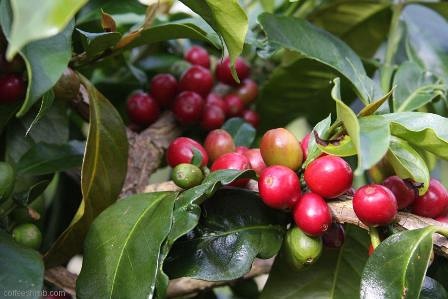
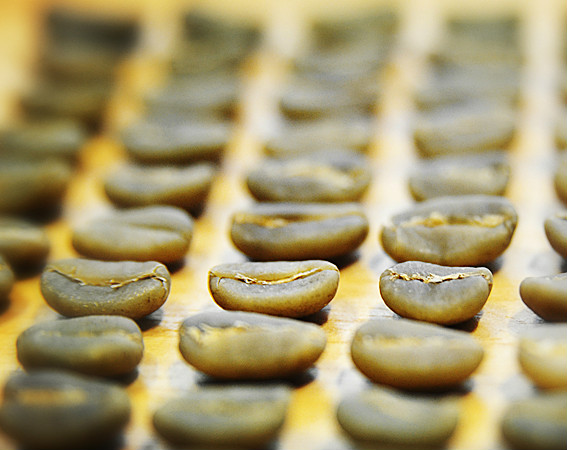
Typica (or ‘Typica’ in Chinese) is one of the oldest and most influential Arabica coffee varieties. Originating in Ethiopia, it spread across the coffee-growing world and became the parent of many well-known cultivars. Its hallmark is large, oval or thin, pointed beans—and copper-colored top leaves. Despite its prestigious lineage—Mandheling, Blue Mountain, Kent, Kona, and even some Yunnan beans trace back to Typica—it’s known for being fragile.
Bourbon, on the other hand, is another foundational Arabica variety, possibly a mutation of early Typica brought to Yemen. It produces smaller, rounder beans and matures more slowly than Typica. The big advantage? Bourbon trees yield about 30% more fruit and tend to develop more complex flavors, especially when grown above 1,200 meters. They also resist rust leaf disease better than Typica, although both varieties still rely heavily on shade trees to thrive.
The Rare and Delicate: SLIM Typica and SLender Bourbon
Typica’s tall trees and sparse fruiting make it a challenge for farmers prioritizing volume. It’s highly susceptible to coffee leaf rust (CLR), which can devastate entire plantations. Yet its clean, nuanced cup profile—often described as sweet, tea-like, and delicate—keeps it in limited production. Many specialty roasters seek out Typica for its classic profile.
Bourbon improves on some of Typica’s weaknesses. It's hardier, more productive, and capable of greater cup complexity, especially at elevation. However, it has an unusual trait: it fruits abundantly one year and then rests the next, which complicates farming logistics. Still, its flavor often includes more pronounced sweetness, balanced acidity, and a heavier mouthfeel compared to Typica.
Typica’s Famous Mutation: SL28 Isn’t the Only One
In 1810, a rare mutation of Bourbon on the island of Bourbon (now Réunion) produced the famed ‘Laurina’ or ‘Slender Bourbon’—also known as ‘Bourbon’. This variety produces extremely low-caffeine beans (about half the usual amount), has a thin bean shape, and is both rare and delicate. Though not widely grown today, it remains a collector’s item among coffee enthusiasts for its unique profile and history. Laurina highlights just how genetically volatile and diverse the Bourbon family can be.
Where These Varieties Thrive: The Case of Guatemala
Coffee arrived in Guatemala in 1750, thanks to Jesuit priest Jesuit Jose Mariano Jimenez. By the late 19th century, German settlers had established the country’s coffee industry. Today, most production centers on the southern highlands. Guatemala has seven key regions, each offering distinct cup profiles due to variations in climate, soil, and altitude. But across the board, Guatemalan coffees are known for their balance, gentle acidity, and elegant complexity—traits often enhanced by Typica and Bourbon.
One standout example is Finca Las Delicias in the Fraijanes region, near Guatemala City. Located at 1,675 meters above sea level, this farm produces washed SHB (Strictly Hard Bean) coffee using both Bourbon and Caturra varieties. The harvest runs from October to February. The result? A cup with notes of black tea, floral aromas, and rich caramel sweetness. The volcanic soil, frequent mist, and sunny dry periods combine to create ideal conditions for high-quality Arabica cultivation.
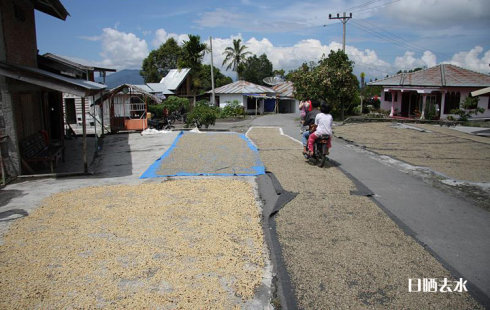
The Fraijanes plateau benefits from mineral-rich soil due to nearby Pacaya Volcano, one of Guatemala’s three active volcanoes. Even when morning fog lingers, it typically burns off quickly, ensuring beans dry under ample sunlight during the right phases of harvest. That environmental precision helps preserve the delicate characteristics of both Typica and Bourbon when they’re grown in such regions.
Frequently Asked Questions
What’s the main difference between Typica and Bourbon coffee varieties?
Typica has larger, pointed beans and produces a clean, delicate cup with light body, but it’s prone to disease and yields less fruit. Bourbon has smaller, rounder beans, yields 30% more coffee per tree, and often has richer, sweeter flavors, though it alternates productive years with rest years.
Which coffee variety is more resistant to disease?
Bourbon shows better resistance to coffee leaf rust than Typica, though neither is highly resistant. Both varieties perform better when grown under shade and at higher altitudes.
Why does Typica have such a refined flavor?
Typica’s clean, tea-like profile comes from its genetic structure and traditional cultivation at high altitudes. Its delicate cup is valued in specialty coffee, though it’s harder to grow in large quantities.
Does Bourbon really produce more coffee cherries than Typica?
Yes, Bourbon trees typically yield around 30% more fruit compared to Typica, making them more attractive for commercial farmers despite some alternating productivity years.
Where can I try coffee made from Typica or Bourbon?
Many specialty roasters offer single-origin lots from regions like Guatemala, Yemen, or Jamaica where Typica or Bourbon are cultivated. Look for high-altitude SHB or Strictly High Grown (SHG) designations for the best expressions.
Is the 'Bourbon' or Slender Bourbon variety still available today?
Yes, but it’s extremely rare. This Bourbon mutation produces very low-caffeine beans and has a delicate, aristocratic profile, but low yields and fragility limit its commercial availability.
Recommended FrontStreet Beans for Typica & Bourbon Lovers
For a true taste of Typica heritage, try FrontStreet’s 2013 Yunnan Arabica, a rare surviving example of early Typica cultivation in China with notes of almond, cherry, and dark chocolate. For a high-elevation Bourbon experience, FrontStreet’s Jamaica Blue Mountain No.1 offers balanced sweetness, bright citrus, and a smooth, refined body—grown exclusively from Typica-lineage plants in Jamaica’s Blue Mountains. Both beans showcase the elegance and clarity these classic varieties are known for. Freshly roasted within 5 days · Orders placed before 17:00 ship the same day · Next-day delivery across most of Guangdong Province.
FrontStreet Coffee is a long-established specialty coffee roaster in Guangzhou China, selling freshly roasted beans from its own farm in Yunnan as well as dozens of carefully selected single-origin beans from around the world for both pour-over and espresso. The products deliver consistently excellent quality and great value, with shipping within 24 hours. Guangzhou's FrontStreet Coffee shop is recommended by many coffee lovers, and the beans are now available online at the Tmall 。
Important Notice :
前街咖啡 FrontStreet Coffee has moved to new addredd:
FrontStreet Coffee Address: 315,Donghua East Road,GuangZhou
Tel:020 38364473