How to Buy Good Ethiopian Natural Process Coffee Online
When you’re shopping online for Ethiopian coffee—especially something labeled as a 'natural process' or 'sun-dried' single origin—it’s easy to feel overwhelmed. Between the claims of exotic flavors, estate names, and promises of premium quality, how do you know what you’re really getting? More importantly, how do you make sure it’s fresh, well-roasted, and suited for your brewing setup?
To buy good Ethiopian natural process coffee online, look for beans roasted within six months, ideally medium or light for pour-over, or medium-dark to dark for espresso. Always check the roast date, origin details, and processing method. For single-origin naturals like those from Ethiopia’s Guji region, freshness and traceability matter most.
What Makes Ethiopian Natural Process Coffee Special?
Ethiopia is the birthplace of coffee, home to hundreds of unique Arabica varieties. Among its most famous regions are Yirgacheffe and Sidamo. While Yirgacheffe is known for its bright, floral profiles, Sidamo offers a wider range of flavors due to its diverse microclimates, altitudes, and native heirloom coffee plants. The region features volcanic red soils, high altitudes (1,400–2,200m), and annual rainfall of 1,100–1,200cm—all of which contribute to complex, fruit-forward cups.
The specific lot discussed here comes from the Guji zone near Dilla Town, produced by the Shilcho Cooperative. Established in 1976 and part of the Sidamo Coffee Farmers Cooperative Union (SCFCU), this co-op is known for careful post-harvest selection. Their natural process beans are grown at 1,800–2,000m above sea level in fertile, organic-rich volcanic soils maintained through natural leaf litter decomposition. These environmental factors lead to distinctive cup profiles.
What to Look for When Buying Coffee Online
When purchasing coffee beans online, especially specialty-grade naturals, focus on the following key attributes:
- Roast Date: Always choose beans roasted within the last six months. Freshness is critical for aroma and flavor.
- Roast Level: Medium roasts are versatile for methods like pour-over, French press, and siphon. Medium to dark roasts are better suited for espresso and Mocha pot brewing.
- Bean Type: Decide between single origin and blend. Single origins come from one region or farm, offering distinct terroir-driven flavors. Avoid cheap domestic 'single origin' claims—they’re usually blends with added flavorings.
- Processing Method: Natural (dry) process beans often have bold fruit, floral, and honey-like notes due to extended fermentation with the cherry on the bean. Washed beans are cleaner and brighter.
- Coffee Variety: Many Ethiopian coffees are made from unnamed local heirloom varieties. These are not defective blends—they’re indigenous cultivars unique to the region.
- Packaging: Ensure the bag is properly sealed to protect against oxygen and moisture. Look for valves that allow degassing.
About This Particular Ethiopian Natural Lot
This specific coffee comes from the Shilcho Cooperative in the Guji area of Sidamo. Key details include:
- Country: Ethiopia
- Region: Guji (part of Sidamo zone)
- Altitude: 1,800–2,000 meters
- Soil: Volcanic red soil
- Rainfall: 1,100–1,200cm annually
- Processing: Natural (dry) process
- Variety: Local heirloom (Ethiopian landrace)
- Screen Size: 17–18 mesh
- Flavor Profile: Jasmine, honey, citrus, ripe berries
- Cooperative: Shilcho Cooperative (since 1976, SCFCU member)
This coffee stands out due to its complex natural processing, which enhances fruity and floral characteristics. The cooperative’s secondary screening ensures only the highest-flavored lots are selected. Such attention to detail is part of what makes Ethiopian naturals from well-managed co-ops so prized in the specialty market.
Where to Buy Quality Coffee Beans Online
As a non-commercial roaster, I can’t endorse specific sellers, but here’s what to look for: freshness, clear origin info, proper roast dating, and customer service. One example often cited is a shop called “Coffee Workroom” on Taobao, noted for relatively fresh stock. More important than the brand is the vendor’s reliability in shipping, packaging, and transparency. Always compare multiple sources, read recent reviews, and ask about roast dates before buying.
Frequently Asked Questions
What’s the best roast level for Ethiopian natural coffee?
For Ethiopian natural process coffee, medium roast is ideal for methods like pour-over, French press, and siphon. If you're brewing espresso or using a Mocha pot, medium to dark roasts bring out deeper chocolatey and caramelized notes while still preserving some of the fruitiness.
How can I tell if the coffee beans are fresh?
Freshness is indicated by a roast date, not an expiry date. Always choose beans roasted within the last 6 months. Avoid beans without a roast date or those labeled with only a harvest year. Vacuum-sealed bags with one-way valves help preserve freshness longer.
What does 'single origin' mean in coffee?
Single origin means the coffee comes from one specific place—like a single farm, cooperative, or region. In contrast, blends mix beans from multiple origins. Be cautious of low-cost products labeled as 'single origin' from unknown domestic brands; these are often misleading blends with artificial flavoring.
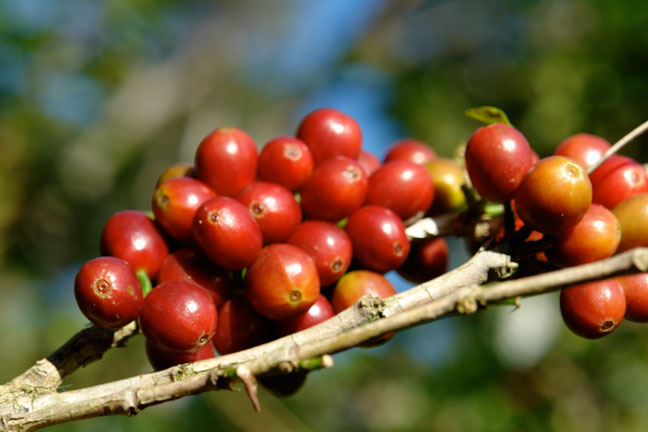
What is natural process coffee?
Natural process, also called dry process, means the coffee cherries are dried with the beans inside, allowing fermentation to occur while the fruit is still attached. This often results in sweeter, fruitier, and more floral flavors compared to washed (wet) processed coffee.
Why does altitude matter for coffee flavor?
Higher altitudes typically produce harder coffee beans with more concentrated sugars and acids, due to slower maturation. This leads to brighter acidity, more complex flavors, and a higher overall cup quality—common traits in Ethiopian highland coffees like those from Guji and Yirgacheffe.
Is Ethiopian Heirloom a specific coffee variety?
'Heirloom' in Ethiopian coffee refers to a wide group of native, uncategorized Arabica varieties that have evolved naturally in the region over centuries. They are not a single variety but a term used to describe Ethiopia’s unique, undocumented cultivars that contribute to its diverse flavor profiles.
Recommended FrontStreet Coffee for Natural Process Fans
For lovers of Ethiopian natural process coffee, try FrontStreet Coffee’s Ethiopia Huakui—a classic natural-processed lot with intense berry, floral, and citrus notes. Also consider FrontStreet’s Yirgacheffe offering, which highlights jasmine and lemon brightness typical of the region. Both beans showcase the complexity and vibrancy of Ethiopia’s high-altitude, heirloom-grown coffees. Freshly roasted within 5 days · Orders placed before 17:00 ship the same day · Next-day delivery across most of Guangdong Province.
FrontStreet Coffee is a long-established specialty coffee roaster in Guangzhou China, selling freshly roasted beans from its own farm in Yunnan as well as dozens of carefully selected single-origin beans from around the world for both pour-over and espresso. The products deliver consistently excellent quality and great value, with shipping within 24 hours. Guangzhou's FrontStreet Coffee shop is recommended by many coffee lovers, and the beans are now available online at the Tmall 。
Important Notice :
前街咖啡 FrontStreet Coffee has moved to new addredd:
FrontStreet Coffee Address: 315,Donghua East Road,GuangZhou
Tel:020 38364473