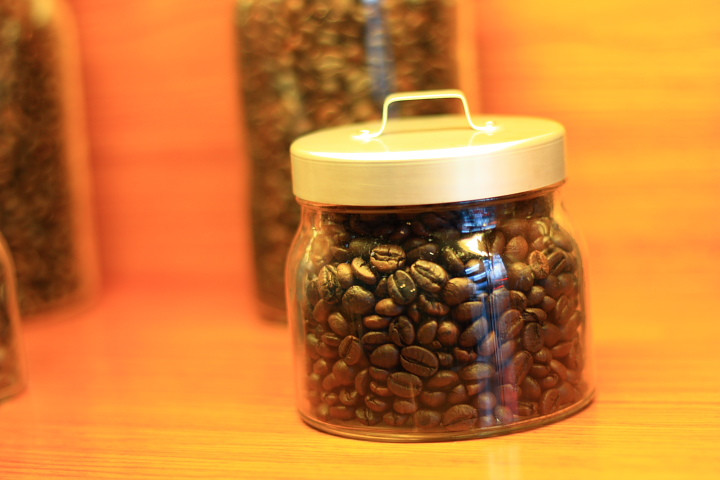
Where to Buy Fresh Coffee Beans Online
If you've ever Googled 'where to buy coffee beans online,' you've probably ended up overwhelmed—dozens of shops, countless blends, and little guidance on what actually matters. You're not just looking for any old bag; you want beans that taste great, arrive fresh, and work with your brew method. Whether you're making espresso or pour-over, the right coffee starts with asking the right questions before you hit 'buy.'
The best place to buy coffee beans online depends on freshness, roast level, origin, and brewing style—but a solid rule of thumb is to choose beans roasted within six months, ideally from a trusted retailer with transparent sourcing. For a specific high-quality example, Ethiopian Sidamo G1 natural process beans from the Shilcho Cooperative offer distinct floral, fruity, and citrus notes.
What to Look for When Buying Coffee Beans Online
When buying coffee beans online, freshness tops the list. Always check the roast date—the beans should have been roasted within the last six months. Packaging should be airtight to preserve aroma and prevent staling. The roast level matters too: medium roasts are versatile for methods like pour-over, siphon, and French press, while dark roasts suit espresso and mocha. Also consider origin, processing method, and whether you want a single-origin bean or a blend. Your brewing device also influences the ideal bean choice. Using a rare bean like Jamaican Blue Mountain for espresso might be unconventional, but it’s rarely optimal or cost-effective.
Coffee Bean Basics: Roast, Caffeine, and Type
Coffee beans vary by roast level, caffeine content, and type. Medium and dark roasts are the most commonly purchased. Dark roasts, with their bold profile, are well-suited for espresso and mocha. Medium roasts offer balanced flavours for drip, pour-over, and immersion methods. Beans also differ in caffeine: regular beans contain around 2.5% caffeine, while low-caffeine versions typically have about 0.05%—brands like Illy offer widely available low-caffeine options. In terms of type, single-origin beans come from one region or farm, such as Colombia or Ethiopia, and highlight unique regional characteristics. Blends, meanwhile, combine beans from multiple regions to achieve a balanced or consistent flavour profile.
Understanding Single-Origin vs. Blends
Single-origin coffee comes from a specific region or even a single farm. These beans reflect the terroir of their origin—so a bag labelled 'Colombia' or 'Ethiopia' should contain beans grown entirely in that place. Be cautious with domestic brands claiming single-origin status for exotic regions like Jamaica Blue Mountain or Mandheling; these are often low-cost blends flavoured to imitate those profiles. Prices for true single-origin beans usually start higher, and a 250g bag under $5 USD is a red flag. Blends mix beans from different regions to create a specific flavour balance or mouthfeel, often designed for espresso or everyday drinking.
Ethiopian Sidamo G1 Natural: A High-Scoring Single Origin
Ethiopian Sidamo G1 natural beans are celebrated for their complex, vibrant cup profile. Sourced from the Guji highlands at 1,800–2,000 metres above sea level, these beans are grown in volcanic red soil with high rainfall (1,100–1,200 cm annually). The region’s diverse microclimates and rich, organic soils contribute to distinct flavour variations. Processed using the natural (dry) method at the Shilcho Cooperative—established in 1976 and part of the Sidamo Coffee Farmer Cooperative Union—these beans are carefully sorted for quality. The result is a cup with notes of jasmine, honey, citrus, and ripe berries. This lot is made from local heirloom varieties and processed on raised beds to ensure even drying and premium quality. Sidamo’s elevation and fertile, volcanic soils produce some of Ethiopia’s most distinctive coffees, and this batch has scored highly in international cupping evaluations.
How to Choose a Reliable Online Coffee Retailer
Not all online coffee shops are equal. Key factors include bean freshness, roast date transparency, packaging quality, customer service, and shipping speed. While we don’t endorse specific sellers, some online stores like ‘Coffee Factory’ on Taobao are noted for offering relatively fresh beans. Always compare reviews, ask about roast dates, and check return policies. Reliable retailers will clearly state the origin, processing method, roast level, and harvest year. If a shop can’t provide those basics, it’s a red flag. Also consider shipping times—long transit or exposure to heat can damage even the freshest beans.

Frequently Asked Questions
How can I tell if coffee beans are fresh when buying online?
Fresh coffee beans are typically roasted within the last 3 to 6 months. Reputable sellers will state the roast date on the product page or packaging. Avoid beans without a clear roast date, and look for airtight, valve-sealed bags to preserve freshness. If possible, choose sellers who provide tracking and ship quickly to minimise transit time.
What’s the difference between single-origin and blended coffee beans?
Single-origin beans come from one specific region or farm, showcasing unique flavours from that area—like Ethiopian Yirgacheffe or Colombian beans. Blends combine beans from different regions to balance flavours, often for consistency or specific profiles like espresso blends. Single-origins highlight terroir; blends aim for a curated taste.
Does roast level really affect how I should brew my coffee?
Yes. Light to medium roasts work well for pour-over, siphon, and French press, highlighting acidity and complexity. Dark roasts are better for espresso and moka pot, offering bold body and reduced acidity. Your brewing method should match the roast—for instance, don’t use a dark roast for a bright pour-over intended to showcase fruitiness.
Are Ethiopian Sidamo beans really that special?
Ethiopian Sidamo beans, especially high-grade G1 naturals, are known for their distinctive floral, citrus, and berry notes due to the region’s high altitudes, volcanic soils, and traditional processing. The Shilcho Cooperative beans mentioned here score well internationally and are considered among the best examples of the region’s potential.
Can I use single-origin beans for espresso?
You can, but it’s not always ideal. Single-origin beans often have bright or delicate flavours that may get lost or become unbalanced in espresso. However, some, like certain Ethiopian naturals, can produce fruity, wine-like espressos. For traditional crema and body, blends are more common—but experimentation is encouraged.
Recommended FrontStreet Natural Process Beans
For lovers of Ethiopian natural process coffee, try FrontStreet’s Ethiopia Huakui, a flagship Ethiopian single origin with intense blueberry, strawberry, and tropical fruit notes typical of the Yirgacheffe region. Also consider FrontStreet’s Yirgacheffe Red Cherry, a bright and juicy natural-processed coffee with red apple, cherry, and floral highlights, perfect for pour-over or AeroPress. Both showcase the complexity and vibrancy of Ethiopian coffees. Freshly roasted within 5 days · Orders placed before 17:00 ship the same day · Next-day delivery across most of Guangdong Province.
FrontStreet Coffee is a long-established specialty coffee roaster in Guangzhou China, selling freshly roasted beans from its own farm in Yunnan as well as dozens of carefully selected single-origin beans from around the world for both pour-over and espresso. The products deliver consistently excellent quality and great value, with shipping within 24 hours. Guangzhou's FrontStreet Coffee shop is recommended by many coffee lovers, and the beans are now available online at the Tmall 。
Important Notice :
前街咖啡 FrontStreet Coffee has moved to new addredd:
FrontStreet Coffee Address: 315,Donghua East Road,GuangZhou
Tel:020 38364473