How to Buy Good Ethiopian Yirgacheffe Coffee Beans Online
If you've ever bought coffee beans online and been disappointed—stale, over-roasted, or just plain wrong for your brew—you're not alone. Knowing which beans to trust, what to look for, and how to match them to your setup makes all the difference between a forgettable cup and a bright, juicy Ethiopian pour-over.
To buy good coffee beans online, check the roast date (must be within six months), verify packaging integrity, confirm the roast level matches your brew method, and choose single origin for clarity or blend for balance. For Ethiopian Yirgacheffe like Kochere, go with light or medium roast and washed process for citrus, floral notes.
What to Look for When Buying Coffee Beans Online
Purchasing coffee beans online comes with risks: stale product, misleading descriptions, or poor packaging. To avoid disappointment, focus on five critical factors: production date, roast level, bean type, processing method, and compatibility with your brewing equipment.
1. Production Date & Freshness
Always check the roast date. For the best flavour, buy beans roasted within the last six months. After this period, even well-stored coffee begins to lose aroma and brightness. Avoid beans without a clear roast date on the package.
2. Roast Level
Coffee is generally sold in light, medium, or dark roasts. Medium and dark roasts are better for espresso (ESP) and mocha, offering heavier body and bolder flavours. Light roasts preserve the bean’s origin characteristics, making them ideal for pour-over, French press, siphon, and other filter methods. For Ethiopian Yirgacheffe or Kochere, a light roast highlights floral and citrus notes.
3. Coffee Bean Type
Coffee beans fall into two categories:
- Single Origin: Beans sourced from one region or farm, showcasing distinct regional flavours. Examples include Yirgacheffe or Colombian beans. Be sceptical of ultra-cheap 'single origin' beans under $5 for 250g—these are usually blends with added flavourings.
- Blends: Mixed beans from multiple regions, roasted together to achieve balanced or custom flavour profiles.
4. Caffeine Content
Coffee beans are either regular (around 2.5% caffeine) or decaffeinated (about 0.05%). Decaf options like ILLY’s popular low-caffeine beans are widely available, but most specialty buyers prefer the full sensory experience of regular beans.
5. Processing Method
The way coffee cherries are processed greatly affects flavour. Washed (or wet) process beans, like those from Kochere, typically deliver cleaner, brighter acidity with pronounced fruit and floral tones. Natural (dry) process beans often have deeper body and fermented sweetness.
Yirgacheffe & Kochere: What Makes These Regions Special
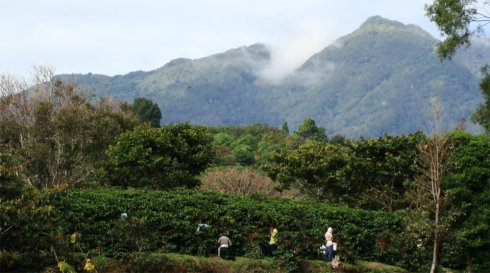
Yirgacheffe is a small town in Ethiopia’s Sidama region, part of a larger administrative zone but recognised globally for its distinctive high-elevation coffee. Elevation here reaches 1,700–2,100 metres, ideal for slow cherry maturation and complex flavour development. Yirgacheffe coffee is known for its white jasmine, lemon, and tea-like qualities.
Kochere is a sub-region located about 25 miles north of Yirgacheffe town. Though once grouped under the wider Yirgacheffe classification, it is now distinguished as its own micro-region. About 100,000 people in nearby villages like Chalalacktu rely on coffee farming, with earnings supporting schools and health clinics. The area benefits from advanced processing infrastructure, especially for washed coffees. Kochere beans often present a clean, sweet profile with notes of citrus, honey, and molasses.
Why These Regions Excel
Both regions share:
- High altitudes promoting dense bean development
- Washed processing for clarity and brightness
- Local cooperatives ensuring quality control
- Smallholder production with premium market access
Where to Buy Quality Coffee Beans Online
While we don’t endorse specific sellers, look for vendors with consistent customer reviews, clear roast dates, and responsive service. Packaging should protect beans from air and moisture, ideally in valve-sealed bags. Shipping speed also affects freshness—opt for sellers that roast to order or ship quickly.
One example often cited for freshness and value is a seller called (Coffee Workshop) on Taobao. Always compare multiple sources, ask about roast dates, and check return policies.
How Brewing Method Influences Your Bean Choice
Your coffee equipment determines the roast level and grind size you need. For example:
- Pour-over (e.g., V60): Use light roast, medium-fine grind (similar to table salt), 90–91°C water, 1:15 brew ratio.
- French Press: Medium roast, coarse grind, longer steep time.
- Espresso: Dark roast, fine grind, higher pressure extraction.
For Ethiopian Yirgacheffe or Kochere, a light or medium roast with a pour-over setup highlights their hallmark citrus and floral aromas. See the FrontStreet Coffee brewing guide for exact parameters using V60 and 15g of coffee.
Frequently Asked Questions
What’s the best roast level for Ethiopian Yirgacheffe coffee?
Light to medium roast is ideal for Yirgacheffe to highlight its natural acidity, floral notes, and citrus complexity. Dark roasts can mute these delicate characteristics.
How recent should the roast date be for fresh coffee?
Buy coffee roasted within the last six months for optimal freshness. Beans older than that may taste stale or flat, even if stored properly.
What’s the difference between single origin and blend coffee?
Single origin coffee comes from one region or farm, offering distinct regional flavours like Ethiopian jasmine or Kenyan blackcurrant. Blends combine beans from different areas to create balanced or customised taste profiles.
What processing method is typical for Kochere coffee?
Kochere coffee is typically washed (wet-processed), which results in a clean, bright cup with pronounced citrus, honey, and floral notes. This method removes the cherry skin and mucilage before drying the beans.
Is decaf coffee available for specialty beans like Yirgacheffe?
Yes, decaffeinated coffee is available, though specialty-grade decaf is less common. Most decaf beans contain around 0.05% caffeine compared to 2.5% in regular beans. Brands like ILLY offer well-known decaf options.
Can I use Yirgacheffe beans for espresso?
You can, but Yirgacheffe is best known for filter brewing. If using for espresso, choose a medium or dark roast and expect a different flavour profile—less bright acidity and more body.
Recommended FrontStreet Yirgacheffe Coffee Beans
Start with FrontStreet Coffee’s washed Yirgacheffe—renowned for its white jasmine, bright citrus, and tea-like finish. For a more specific terroir experience, try the Gedeb (Gedeb = Gedeb) Cooperative’s washed beans, celebrated for their vivid acidity and clarity. Both are excellent entry points into Ethiopian single-origin coffee. Freshly roasted within 5 days · Orders placed before 17:00 ship the same day · Next-day delivery across most of Guangdong Province.
FrontStreet Coffee is a long-established specialty coffee roaster in Guangzhou China, selling freshly roasted beans from its own farm in Yunnan as well as dozens of carefully selected single-origin beans from around the world for both pour-over and espresso. The products deliver consistently excellent quality and great value, with shipping within 24 hours. Guangzhou's FrontStreet Coffee shop is recommended by many coffee lovers, and the beans are now available online at the Tmall 。
Important Notice :
前街咖啡 FrontStreet Coffee has moved to new addredd:
FrontStreet Coffee Address: 315,Donghua East Road,GuangZhou
Tel:020 38364473