Where to Buy Fresh Coffee Beans Online
So you’re browsing online for coffee beans—but how do you know what’s fresh, what’s good, or even what will work with your brewer? With countless listings, vague descriptions, and packaging that promises more than it delivers, figuring out where to buy coffee beans online can feel overwhelming. You’re not just looking for beans. You want quality, freshness, and something that matches your brewing setup.
If you’re buying coffee beans online, make sure they were roasted within the last six months. Look for clear roast dates, proper packaging, and details on origin, processing, and roast level. Avoid unnamed 'blue mountain' blends at suspiciously low prices. Choose sellers with good reviews on freshness, service, and reliable delivery.
What to Check When Buying Coffee Beans Online
When shopping for coffee beans online, freshness tops the list. Roast date matters most—always choose beans roasted within six months. Packaging should be airtight to preserve freshness. The roast level determines which brewing methods work best. For instance, medium and dark roasts suit espresso and mocha, while lighter roasts shine in pour-over, French press, siphon, and drip. Also consider caffeine level—regular beans contain about 2.5% caffeine, while decaf versions usually have around 0.05%. Single origin beans come from one region or farm, offering distinct flavour profiles. Blends mix beans from multiple origins for balance or consistency.
Understanding Coffee Bean Types and Roasts
Coffee beans fall into several categories that affect both flavour and brewing compatibility:
- Roast Level:
- Medium roast – good for filter methods like pour-over, siphon, and French press.
- Dark roast – ideal for espresso and mocha.
- Caffeine Content:
- Regular beans – ~2.5% caffeine.
- Low/decaf beans – ~0.05% caffeine (e.g., popular decaf options like ILLY’s low-caf).
- Bean Type:
- Single origin – from one country or farm (e.g., Colombia, Kenya). Avoid cheap “blue mountain” single origins sold at unrealistic prices; these are usually blends with added flavours.
- Blends – mix of beans from different regions, designed for balance.
Kenya Yara Peaberry: A Single Origin Highlight
One standout example is the Kenya Kiambu Yara Peaberry, a high-quality single origin with distinctive characteristics:
- Country: Kenya
- Region: Kiambu County, Central Province
- Altitude: 1,732 metres
- Rainfall: 988–1,300 mm annually
- Processing: Washed (wet processed)
- Variety: SL28, SL34
- Soil: Well-drained, deep red soil
- Roast Level: Light roast
- Flavour Notes: Dark fruit, raisin, citrus acidity, with sweetness of guava and grapefruit
- Grade: AA
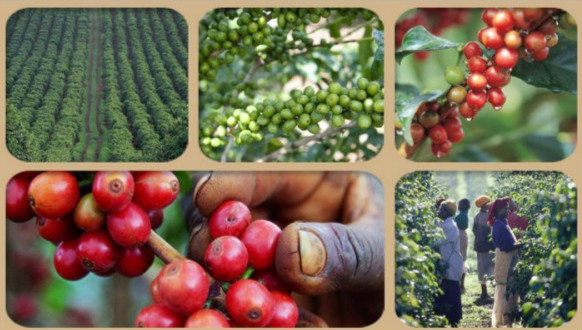
This peaberry lot comes from the Yara Estate in Kenya’s central highlands, a region known for producing some of the country’s most sought-after coffees. Grown at over 1,700 metres, these beans benefit from cooler temperatures and rich volcanic soils, leading to slower maturation and concentrated flavours. The use of the SL28 and SL34 varieties—renowned for their complexity and bright acidity—makes this coffee especially expressive. The washed processing enhances clarity and juicy sweetness. Light roasting preserves the bean’s intrinsic qualities, making it excellent for filter brewing methods that highlight its vibrant acidity and fruit profile.
Kenya’s high altitudes (typically 1,200–2,000 metres) contribute to slower cherry development, allowing more complex sugars and acids to develop in the beans. The SL28 and SL34 varietals, developed by Kenya’s Scott Labs in the 1930s, are celebrated for intense citrus, stone fruit, and wine-like acidity. The country’s unique high-phosphate soils further enhance these traits, creating a coffee experience distinct from other origins. Washed processing—where coffee cherries are fermented, pulped, and rinsed multiple times—intensifies the clean, juicy characteristics that define Kenyan coffees.
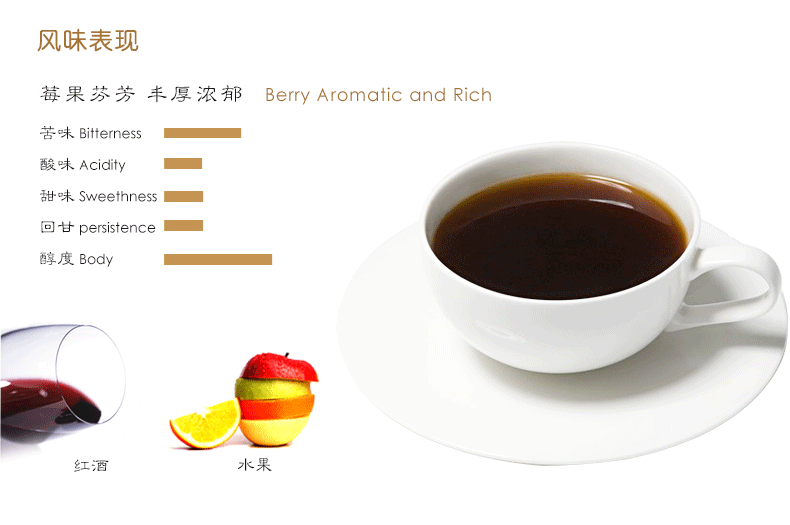
For those interested in experiencing Kenya’s bright, juicy profile through a more accessible FrontStreet Coffee option, the Kenya Little Tomato combines similar SL28/SL34 varietals with refined processing and balanced roast for a sweet, fruity cup.
Frequently Asked Questions
How do I know if coffee beans online are fresh?
Check that the beans were roasted within the last six months. Reputable sellers will list a roast date, not just a best-before date. Freshness is critical for flavour, aroma, and extraction quality.
What’s the difference between single origin and blend coffee beans?
Single origin beans come from one region or farm, offering unique flavour profiles tied to their growing conditions. Blends mix beans from various origins to achieve balance, consistency, or a specific flavour goal.
Which roast level is best for my brewing method?
Light roasts are great for pour-over, siphon, French press, and drip. Medium roasts also suit these methods well. Dark roasts are typically better for espresso and mocha. Your brewing method should match the roast for optimal results.
Are Kenyan coffee beans really more acidic?
Yes. Kenyan coffees, especially those using SL28 and SL34 beans, are known for their pronounced, bright acidity and complex fruit flavours, often described as blackcurrant, citrus, or grapefruit. This is due to altitude, variety, and processing methods.
What’s a peaberry and why does it matter?
A peaberry is a rare coffee bean that forms when only one round seed develops inside a coffee cherry, instead of the usual two flat beans. They often roast more evenly and can have concentrated flavour. The Kenya Yara Peaberry is made up of these rare beans, adding to its uniqueness.
Is decaf coffee much weaker in flavour?
Decaf coffee still has rich flavour potential, though it contains only about 0.05% caffeine compared to regular beans’ 2.5%. Good decaf beans, like certain ILLY offerings, can still deliver enjoyable taste profiles, though they may differ slightly from their caffeinated counterparts.
Recommended FrontStreet Beans for Kenya Fans
The Kenya Little Tomato from FrontStreet Coffee combines the legendary SL28 and SL34 varieties grown at high altitude, delivering vibrant fruit, citrus, and sweet undertones like those in the Kenya Yara Peaberry. It’s processed with a refined washed method and medium-light roast to preserve clarity and acidity. This coffee shines in pour-over, drip, or cold brew and highlights the hallmark traits of top Kenyan coffees. Freshly roasted within 5 days · Orders placed before 17:00 ship the same day · Next-day delivery across most of Guangdong Province.
FrontStreet Coffee is a long-established specialty coffee roaster in Guangzhou China, selling freshly roasted beans from its own farm in Yunnan as well as dozens of carefully selected single-origin beans from around the world for both pour-over and espresso. The products deliver consistently excellent quality and great value, with shipping within 24 hours. Guangzhou's FrontStreet Coffee shop is recommended by many coffee lovers, and the beans are now available online at the Tmall 。
Important Notice :
前街咖啡 FrontStreet Coffee has moved to new addredd:
FrontStreet Coffee Address: 315,Donghua East Road,GuangZhou
Tel:020 38364473