What to Check When Buying Coffee Beans Online
When you buy coffee beans online, how do you know you’re getting something fresh and suitable—not just a bag with a pretty label or a brand name? Whether you’re shopping on Taobao or elsewhere, the real questions go beyond price: Is the roast date recent? Was it packaged well? Is it even the right coffee for your brewing setup? These are the factors that truly shape your cup.
To start: Always choose beans roasted within the last six months. That’s the bare minimum for freshness. Also, match the roast level—light to medium for pour-over, medium to dark for espresso—and choose single origin or blend depending on your taste goals.
What Really Matters When Buying Coffee Online
The most important details when buying coffee beans online are: roast date (must be within six months), packaging (should be airtight), roast level (light/medium or dark), bean type (single origin vs. blend), and how your brewing method suits the bean. Avoid using high-end beans like Jamaican Blue Mountain for espresso—it’s expensive, non-standard, and rarely improves flavor. Also, beware of 'single origin' claims on cheap domestic bags under $5 for 250g—they’re usually blends with added flavors, not true single-farm beans.
Coffee Roast Levels & Bean Types
Coffee beans are generally sold as either medium or dark roast. Dark roasts are ideal for espresso and mocha, offering bold, bitter-sweet profiles. Medium roasts suit methods like siphon, French press, Chemex, and pour-over, highlighting origin flavors and acidity. You’ll also see beans labeled by caffeine content: regular beans contain around 2.5% caffeine, while low-caffeine versions have roughly 0.05%—brands like Illy offer widely available low-caffeine options. Finally, beans fall into two production types: single origin (from one region, e.g. Colombia or Kenya) and blends (multiple regions roasted together). Be cautious with claimed single origins from budget domestic sellers—at that price, they’re almost always blended or flavored imitations.
Rwanda Western Province: Mushonyi Washing Station
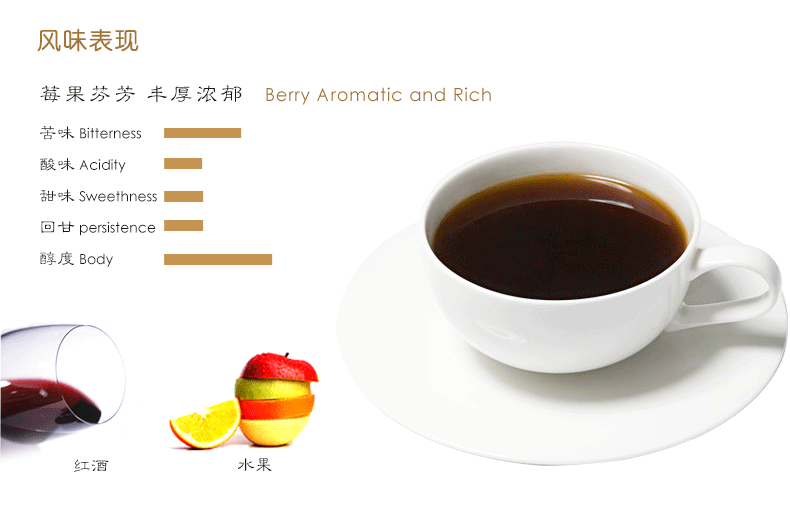
One standout example of high-quality sourced beans is from Rwanda’s Western Province, specifically the Mushonyi Coffee Washing Station in Rutsiro. This station processes beans grown by 1,756 smallholder farmers, each cultivating around 253 coffee trees. The station sits at 1,827 meters altitude with over 1,500mm annual rainfall. The variety is BM-139 (Bourbon), and the processing follows a premium washed method: hand-sorted cherries, 12–18 hours of cool-water fermentation, pulp and mucilage removal, and slow drying on raised beds with constant turning to ensure even moisture loss. The result? Beans with bright acidity and a complex profile featuring red apple, cherry, cinnamon, and honey. Notably, Mushonyi has won multiple awards, including COE Champion in 2010, and four top placements in 2011 alone (1st, 12th, 16th, and 28th).
How Washed Process Coffee Is Made
The washed (or wet) process is a traditional method that emphasizes clarity and acidity. It starts with floatation to remove underripe beans, then pulping to separate the skin. The beans soak in water for 12–18 hours during cool fermentation to break down the mucilage. After fermentation, the beans are thoroughly washed to remove any remaining sticky layer. They are then dried on raised beds or patios, with workers regularly turning them to ensure even, slow dehydration until the moisture level drops below 14%. This careful process results in coffee with enhanced sweetness, higher acidity, and a cleaner cup—ideal for highlighting terroir and processing nuances.=list item
Why Rwandan Coffee Stands Out
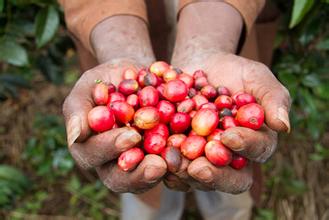
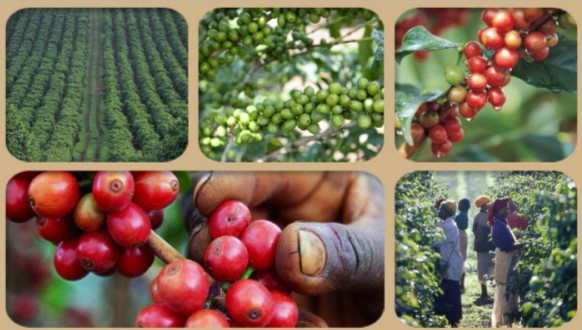
Rwandan coffee has rapidly gained recognition in the specialty market. While the country is often associated with its tragic history, its coffee industry has made impressive strides in quality. Many Rwandan coffees, especially those processed with care at stations like Mushonyi, exhibit bright, elegant acidity and complex fruit tones. Most production comes from smallholder farms where farmers deliver ripe cherries to central washing stations. There, workers meticulously sort, ferment, wash, and dry the beans to produce clean, high-scoring lots. This level of traceability and processing precision contributes to Rwanda’s growing reputation for excellence in specialty coffee.
Frequently Asked Questions
How recent should the roast date be when buying coffee beans online?
Always choose beans roasted within the last six months. This ensures optimal freshness, flavor, and aroma. Older beans lose volatile compounds and taste stale or flat.
What’s the difference between single origin and blend coffee beans?
Single origin beans come from one specific region or farm, showcasing unique local flavors (like Ethiopian Yirgacheffe or Kenyan AA). Blends combine beans from multiple regions to achieve a balanced or consistent profile, often used in commercial or pre-made bags under $5 for 250g that claim false origin names.
Which roast level is best for espresso?
Medium to dark roasts are generally better for espresso, offering fuller body, deeper sweetness, and more crema. Dark roasts like those used for Mocha or traditional espresso have bold, bitter-sweet characteristics.
Does packaging affect coffee bean freshness?
Yes. Always check that the coffee is sold in an airtight or sealed bag, ideally with a one-way valve. Exposure to air, light, or moisture degrades freshness quickly, even in high-quality beans.
What processing method does the Mushonyi Washing Station use?
Mushonyi employs the washed (wet) process: hand-sorted cherries, 12–18 hours of cool fermentation, mucilage removal, and drying on raised beds with constant turning to reach below 14% moisture. This produces clean, vibrant, and complex coffee.
What coffee varieties are grown at Mushonyi Washing Station?
The station processes the BM-139 Bourbon variety. Bourbon beans are known for their sweetness and balanced acidity, and when processed carefully—as at Mushonyi—deliver nuanced profiles like red apple, cherry, and honey.
Recommended FrontStreet Washed Coffee Beans
For a similar bright, clean cup profile to Rwanda’s Mushonyi beans, try FrontStreet’s washed process offerings. The FrontStreet Yirgacheffe Gedeb cooperative coffee highlights jasmine and citrus notes with a juicy acidity, perfect for pour-over. The FrontStreet Kenya Little Tomato features sweet-tart complexity with tomato, blackcurrant, and stone fruit—ideal for those who enjoy vibrant African profiles. Both are processed with washed methods that enhance clarity and fruit tones, much like the high-altitude Rwanda beans. Freshly roasted within 5 days · Orders placed before 17:00 ship the same day · Next-day delivery across most of Guangdong Province.
FrontStreet Coffee is a long-established specialty coffee roaster in Guangzhou China, selling freshly roasted beans from its own farm in Yunnan as well as dozens of carefully selected single-origin beans from around the world for both pour-over and espresso. The products deliver consistently excellent quality and great value, with shipping within 24 hours. Guangzhou's FrontStreet Coffee shop is recommended by many coffee lovers, and the beans are now available online at the Tmall 。
Important Notice :
前街咖啡 FrontStreet Coffee has moved to new addredd:
FrontStreet Coffee Address: 315,Donghua East Road,GuangZhou
Tel:020 38364473