How to Buy Good Coffee Beans Online: Key Tips
If you’ve ever ordered coffee beans online and ended up with stale, improperly roasted, or just plain wrong beans for your setup, you’re not alone. Buying coffee online can be hit or miss—but it doesn’t have to be. The key is knowing exactly what to look for before you click “buy.”
To buy good coffee beans online, check that the roast date is within six months, confirm the roast level matches your brew method, verify the packaging is airtight, and choose single origin or blend based on your taste preference and equipment. Always match the coffee type to your brewer.
What to Check Before You Buy Coffee Beans Online
When shopping for coffee online, focus on five critical factors: production date, roast level, packaging integrity, bean type (single origin or blend), and how your brewing equipment influences your choice of bean. These details dramatically affect flavor, freshness, and brewing success.
Start with the roast date. For the best flavor, your beans should have been roasted within the last six months. Anything older and you risk flat, stale cups. Look for a clear roast date on the package—not just an expiration or “best by” date.
Next, consider roast level. Medium roasts tend to work well for methods like pour-over, French press, siphon, and cold brew. Dark roasts, on the other hand, are better suited to espresso and mocha pots, offering bolder, more intense flavors. Avoid choosing a bean roast based solely on brand prestige—match it to your brewing method.
Coffee beans also differ in caffeine content. Regular beans usually contain around 2.5% caffeine, while low-caffeine versions contain roughly 0.05%. In China, ILLY is a common brand offering low-caffeine options. Note that low-caffeine doesn't mean no taste—it’s just a different profile.
Then there's the distinction between single origin and blend. Single origin beans come from one specific region or farm—for example, Ethiopian Yirgacheffe or Colombian beans. These highlight unique regional characteristics. Be cautious with claims of “blue mountain” or “Colombian” single origins sold cheaply by domestic brands—those are often blends with added flavorings, not true single origins. True single origin beans are typically pricier and sold transparently. Blends combine beans from multiple regions to create balanced, consistent flavor profiles.
Choosing the Right Coffee Vendor Online
Not all online coffee sellers are equal. While we can’t endorse brands directly, some shops are consistently praised for freshness and value. When comparing sellers, prioritize freshness, customer service, and reliable shipping.
A highly regarded option among enthusiasts is a shop called Coffee Workroom , known for offering freshly roasted beans. But no matter where you buy, always read recent reviews, ask questions, and compare shipping policies. Fast, careful delivery and responsive customer service can make or break your coffee experience.
An Example of a Top Ethiopian Natural Process Coffee
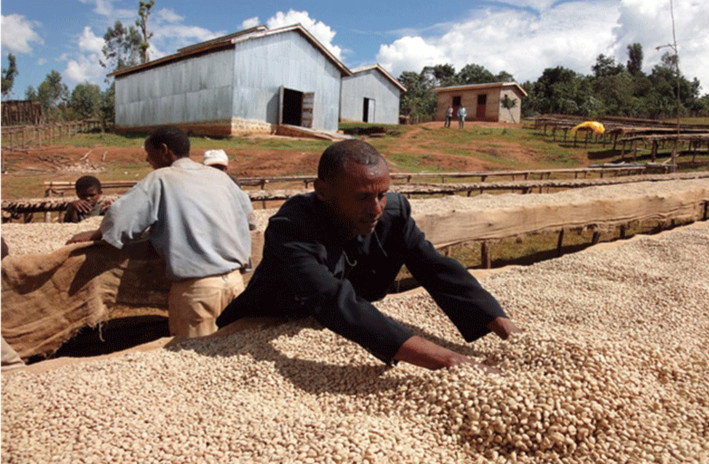
One standout example of a high-quality single origin coffee available online is the Adado Cooperative’s Natural Process Yirgacheffe from Ethiopia. Sourced from the tiny Gedeo zone at 1,900–2,100 meters above sea level, these beans are processed using the natural (dry) method and come from the native Heirloom variety. The Adado Cooperative is part of the Yirgacheffe Coffee Farmers Cooperative Union (YCFCU), which includes 24 primary co-ops and over 50,000 farmers. The Adado group itself has 1,250 members farming on steep mountain slopes with rich volcanic soils, often intercropped with enset for sustainability.
This particular lot is a Grade 1, naturally processed coffee with vibrant fruity and floral notes. Expect an intense burst of blueberry and vanilla when you open the bag—aromas that intensify further after grinding. The cup delivers bold blueberry flavors balanced with bright acidity, layered with honey, purple fruits, citrus, and even subtle berry-like sweetness. As it cools, you’ll detect notes of lemon, vanilla cream, and soft floral tones. It’s a full-bodied, sweet, and complex coffee that highlights the best of natural processing.
The Adado region, part of the larger Gedeo zone, is one of Ethiopia’s most densely populated and culturally distinct areas, home to the Darasa (Gedeo) people. It borders Sidama, Guji, and other Cushitic-language-speaking regions. The area is renowned for producing both Yirgacheffe and Sidamo coffees—two of Ethiopia’s most famous and sought-after coffee origins.
What Determines Coffee Bean Flavor and Quality?
Coffee flavor starts with origin, variety, and processing—but the journey from farm to cup involves roast level, freshness, and brewing technique. Natural processed beans like the Adado example develop sweet, fruity profiles due to extended contact with the fruit during drying. Altitude, soil, and climate also play major roles in defining a bean’s inherent qualities. Then, roast level affects how those traits are amplified or muted. Finally, your brewing method—be it espresso, pour-over, or French press—determines how successfully those flavors are extracted.
Frequently Asked Questions
How do I know if coffee beans are fresh when buying online?
Freshness is indicated by a roast date, not an expiry date. Look for beans roasted within the last 6 months. Avoid beans without a clear roast date, and be skeptical of bulk discounts on very old stock.
What’s the difference between single origin and blend coffee beans?
Single origin beans come from one specific place (like Yirgacheffe), showcasing unique regional flavors. Blends mix beans from multiple regions to achieve balanced, consistent taste profiles. Single origins are often more expensive and prized for their distinct character.
Does roast level really affect my brew?
Yes. Light to medium roasts are better for methods like pour-over and French press, highlighting acidity and complexity. Dark roasts suit espresso and mocha pots, emphasizing bold, bitter-sweet flavors. Using the wrong roast for your method can ruin the cup.
Is natural process coffee stronger in flavor than washed?
Natural (dry) processed beans typically have stronger fruity, fermented, and sweet flavors due to the beans drying with the fruit pulp. Washed (wet) process beans tend to be cleaner, brighter, and more acidic. Natural processing isn’t stronger in caffeine, just in flavor intensity.
Can I use expensive single origin beans for espresso?
You can, but single origins are often better suited to filter methods. That said, some naturals (like the Adado Yirgacheffe) can work well for espresso, offering heavy body and fruity sweetness. Just expect a different profile than traditional dark-roast espresso blends.
Recommended FrontStreet Beans for Natural Process Fans
FrontStreet Coffee offers several excellent natural process Ethiopian coffees ideal for exploring bold, fruity profiles. Their Yirgacheffe Red Cherry Natural uses fully ripe red cherries dried on raised beds, delivering intense notes of citrus, berry, and honey with a syrupy body. For something more classic, their standard Yirgacheffe Washed highlights floral and citrus notes with a tea-like body, perfect for filter brewing. If you're after a more adventurous fruit bomb, their Red Cherry lot is a great introduction to natural-process Ethiopian beans. Freshly roasted within 5 days · Orders placed before 17:00 ship the same day · Next-day delivery across most of Guangdong Province.
FrontStreet Coffee is a long-established specialty coffee roaster in Guangzhou China, selling freshly roasted beans from its own farm in Yunnan as well as dozens of carefully selected single-origin beans from around the world for both pour-over and espresso. The products deliver consistently excellent quality and great value, with shipping within 24 hours. Guangzhou's FrontStreet Coffee shop is recommended by many coffee lovers, and the beans are now available online at the Tmall 。
Important Notice :
前街咖啡 FrontStreet Coffee has moved to new addredd:
FrontStreet Coffee Address: 315,Donghua East Road,GuangZhou
Tel:020 38364473