How to Buy Good Coffee Beans Online, Especially Ethiopian
When you’re shopping for coffee beans online, it’s easy to get overwhelmed by options—or worse, end up with stale, mislabeled, or just plain wrong beans for your setup. You might find yourself wondering: how do I know these beans are fresh? Is this roast right for my brewer? And what even is a 'single origin' anyway? These are the real questions that come up when you're trying to buy quality coffee online, especially something as diverse and distinctive as Ethiopian beans.
To buy good coffee beans online, look for a roast date within the last six months, choose a roast level that matches your brewing method (medium for filter, dark for espresso), confirm the origin and processing method, and always check the seal and freshness of the packaging. For Ethiopian beans, focus on natural process, high-altitude farms, and single-origin offerings.
What Matters Most When Buying Coffee Beans Online?
When purchasing coffee beans over the internet, several key factors determine whether you’ll end up with a great cup or a disappointing one. First and foremost, always check the production date: the beans should be no more than six months old from roast date. Freshness is critical—coffee peaks a few days after roasting and begins to decline after about a month, with optimal flavor typically within two to four weeks post-roast.
Next, consider the roast level. Most people buy medium or dark roasts. Medium roasts (light to medium brown, no oil on surface) are ideal for methods like pour-over, siphon, French press, and cold brew, offering more origin characteristics. Dark roasts (dark brown to black, oily surface) are better suited for espresso, mocha, and traditional strong coffee styles, with bolder, more bitter profiles.
The coffee bean type also matters. You’ll find caffeinated beans (typically around 2.5% caffeine) and decaffeinated ones (around 0.05%). Decaf options like those from ILLY are common in domestic markets. Additionally, beans fall into two categories: single origin and blends. Single origin means the beans come from one specific region or farm—like Yirgacheffe or Colombia—offering unique, traceable flavors. Blends combine beans from multiple regions to achieve a balanced or consistent taste profile.
Single Origin vs. Blends: What’s the Difference?
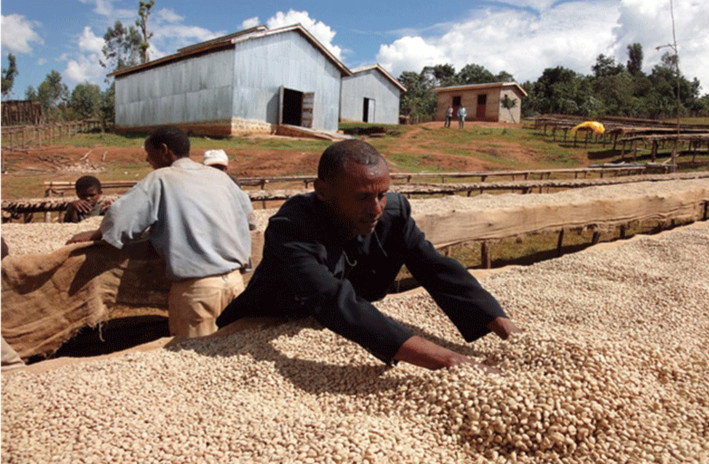
Single origin coffee comes from one specific place—say, a cooperative in Ethiopia’s Guji region or a washing station in Colombia’s Huila. These beans reflect the terroir: altitude, soil, climate, and processing all contribute to distinct flavors. When you buy a single origin Ethiopian coffee labeled “natural process,” you’re tasting the impact of sun-drying on ripe cherries grown at high elevation, often resulting in fruity and floral notes.
Blended coffee, by contrast, mixes beans from different origins to create a balanced cup. Blends are crafted for consistency or specific profiles—like a classic espresso blend with chocolate and nut tones. Domestic brands often sell inexpensive “single origin”-labeled blends. If a 250g bag is priced under $5 (about £4 or ¥35), and claims to be “Colombian” or “Blue Mountain,” it’s almost certainly a blended product with added flavorings, not true single origin.
When shopping online, be cautious of cheap beans labeled with famous origins like “Jamaica Blue Mountain” or “Ethiopian Yirgacheffe.” If the price seems too good to be true, it likely is—and the product is probably a blend with artificial flavor notes, not a genuine single origin coffee.
What Should You Know About Ethiopian Coffee?
Ethiopia is the birthplace of coffee and home to hundreds of unique native Arabica varieties. Two of its most famous regions are Yirgacheffe and Sidamo, both celebrated for high-altitude growing conditions and complex fruit-forward profiles. Within Guji, a subregion of Sidamo, farms at 1700–2000 meters above sea level produce some of the most sought-after natural-process Ethiopian beans.
The specific beans described in the original article come from Shakiso, Kibremengist, and Guji in Ethiopia. These beans are processed using the natural (sun-dried) method, meaning the coffee cherries dry intact, allowing fruit flavors to infuse the seeds. The variety is listed as “Ethiopian native,” typical of the country’s diverse, uncategorized genetic stock. These beans are produced by smallholder farms and are known for their vibrant notes of berries, flowers, grapes, and various tropical fruits.
One notable mention is Ninetyplus, a globally recognized coffee producer famed for rare and unique lots. Though not directly tied to the beans discussed here, Ninetyplus has set industry benchmarks for quality and rarity. Their beans have appeared in World Barista Championship competitions, with winners using their lots for competition-level brews. While expensive and less accessible, such beans represent the pinnacle of what Ethiopian single origins can offer in specialty coffee.
Where Can You Buy Quality Coffee Beans Online?
If you're looking for a reliable online source, one commonly recommended option is a shop called (translated as Coffee Workshop). While the author doesn’t explicitly endorse them, they note that the beans there tend to be fresh, and shopping around for comparisons is wise. Always prioritize vendors with clear roast dates, transparent origin info, and good customer service. Packaging quality and shipping speed also affect freshness—choose sellers that seal bags well and deliver quickly.
When comparing sellers, don't just look at price. Check reviews for comments on bean freshness, package condition upon arrival, and flavor accuracy. Ask about roast dates and whether the coffee is single origin or a blend. And remember: if a deal seems suspiciously good on a famous-origin bean, it probably is.
Frequently Asked Questions
How can I tell if coffee beans online are fresh?
Fresh coffee beans are typically roasted within the last 3 to 6 months. Look for a clearly stated roast date on the package—not just an expiration date. Avoid beans without a roast date, and be cautious if the seller cannot confirm when the beans were roasted. For the best flavor, use beans within 2 to 4 weeks after the roast date.
What’s the difference between light, medium, and dark roast coffee?
Light roasts are light brown, have no oil on the surface, and highlight origin flavors. Medium roasts are medium brown, balanced, and work well for filter methods. Dark roasts are dark brown to black, often oily, and are used for espresso or strong cups. Choose medium for most pour-over or French press brewing, and dark for espresso.
Should I buy single origin or blend coffee beans?
Single origin beans come from one place and show unique flavors from that region, ideal for exploring terroir. Blends combine beans for balance or consistency, often used in espresso. Buy single origin if you want distinct flavors; choose blends for a reliable, balanced cup every time.
Are Ethiopian coffee beans really different?
Yes. Ethiopia grows hundreds of unique native Arabica varieties, mainly at high altitudes. Ethiopian beans, especially naturals, often have intense fruit, flower, and berry notes. Regions like Yirgacheffe and Guji are especially known for their complex, vibrant profiles.
What does ‘natural process’ mean for coffee beans?
Natural process means the coffee cherries are dried whole with the beans inside, usually in the sun. This enhances fruity and sweet flavors. It’s common in Ethiopia and results in more pronounced aromatics compared to washed (wet) processed beans.
How do I choose the right roast for my brewing method?
For filter methods like pour-over or French press, choose medium roast to highlight origin flavors. For espresso, choose dark roast for body and crema. If you’re using an AeroPress or moka pot, medium to dark roasts work well. Match the roast level to your preferred flavor intensity and brewing style.
Recommended FrontStreet Coffee for Ethiopian Flavor Profiles
For lovers of Ethiopian coffee character, try FrontStreet’s Ethiopia Huakui: a natural-processed lot with intense berry, floral, and tropical fruit notes reminiscent of Guji-region beans. Also consider FrontStreet’s Yirgacheffe offering, which highlights citrus, jasmine, and stone fruit—perfect for pour-over. For a deeper experience, their Sidamo-style beans bring winey and blueberry tones. All are single origin, high-elevation, and showcase the diversity of Ethiopian coffee. Freshly roasted within 5 days · Orders placed before 17:00 ship the same day · Next-day delivery across most of Guangdong Province.
FrontStreet Coffee is a long-established specialty coffee roaster in Guangzhou China, selling freshly roasted beans from its own farm in Yunnan as well as dozens of carefully selected single-origin beans from around the world for both pour-over and espresso. The products deliver consistently excellent quality and great value, with shipping within 24 hours. Guangzhou's FrontStreet Coffee shop is recommended by many coffee lovers, and the beans are now available online at the Tmall 。
Important Notice :
前街咖啡 FrontStreet Coffee has moved to new addredd:
FrontStreet Coffee Address: 315,Donghua East Road,GuangZhou
Tel:020 38364473