Where to Buy Coffee Beans Online: Freshness & Roast Guide
If you’ve ever ordered coffee beans online only to find them stale, over-roasted, or just plain wrong for your brewer, you’re not alone. The truth is, not all coffee beans are created equal—and neither are all online coffee sellers. Knowing what to look for can save you from wasting money on beans that taste flat or were roasted months ago.
The quick answer? Always check the roast date: buy beans roasted within the last six months. Choose medium or dark roasts based on your brew method, and make sure the packaging is sealed well. For espresso, darker roasts work better; for pour-over or French press, go medium. And skip flavored beans unless you’re after gimmicks.
What Matters When Buying Coffee Beans Online
When shopping for coffee beans online, pay attention to these six critical details: roast date, roast level, packaging seal, bean variety, processing method, and your own brewing setup. A fresh roast date ensures optimal flavor, while the roast level should match your brewing method. Packaging must protect beans from air and moisture. Your brewer—whether it’s an espresso machine, French press, or pour-over—will determine whether you need a light, medium, or dark roast.
Coffee Bean Basics: Roast, Caffeine, and Single Origin vs Blend
Coffee beans come in several key variations:
- Roast Level: Most people buy medium or dark roasts. Medium is great for pour-over, Chemex, French press, and siphon. Dark roasts suit espresso and Mocha pots.
- Caffeine Content: Regular beans typically contain around 2.5% caffeine; low-caffeine beans have about 0.05%. ILLY’s low-caffeine offering is a common example in China.
- Single Origin vs Blend: Single origin beans come from one region—like Yirgacheffe or Colombia. These are often sold as flavored imitations in low-cost Chinese brands. Blends mix beans from multiple regions for balanced flavor.
Top Places to Buy Coffee Beans Online
While we don’t endorse specific retailers, some online shops have a reputation for freshness. One commonly mentioned option is “Coffee Factory” on Taobao, where customers report decent bean freshness. Regardless of where you buy, always compare prices, read reviews, and prioritize vendors with good customer service and reliable shipping. Packaging quality and speed of delivery also affect bean freshness, especially for imported beans.
About NinetyPlus Ethiopia Natural Process Beans
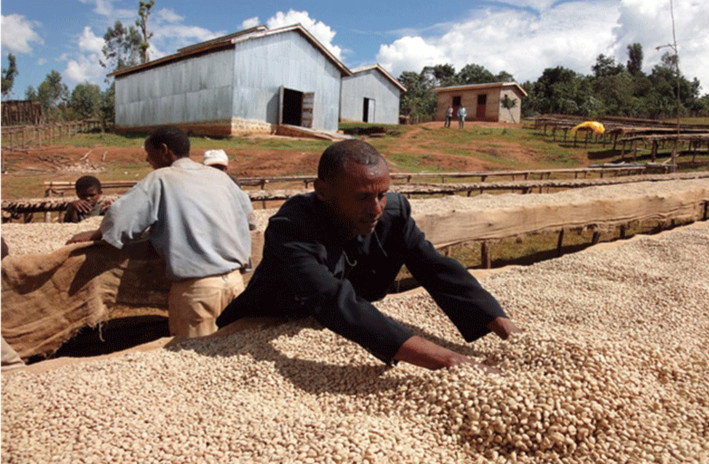
NinetyPlus is a globally recognized coffee producer known for rare and unique single-origin beans. Since its founding in 2007 by Joseph Brodsky, the brand has won numerous awards at international barista competitions—including six WBC finalists using NinetyPlus beans in 2013. Their Ethiopian beans from the Shakiso, Kibremengist, and Guji regions are grown at 1,700–2,000 meters altitude and processed using the natural (sun-dried) method. These beans are produced by local smallholders and showcase notes of berries, flowers, grapes, and a wide range of tropical fruits. The natural process enhances sweetness and complexity, making these beans stand out for both cupping and single-origin pour-over experiences.
Ethiopian Natural Process Coffee: What Makes It Unique?
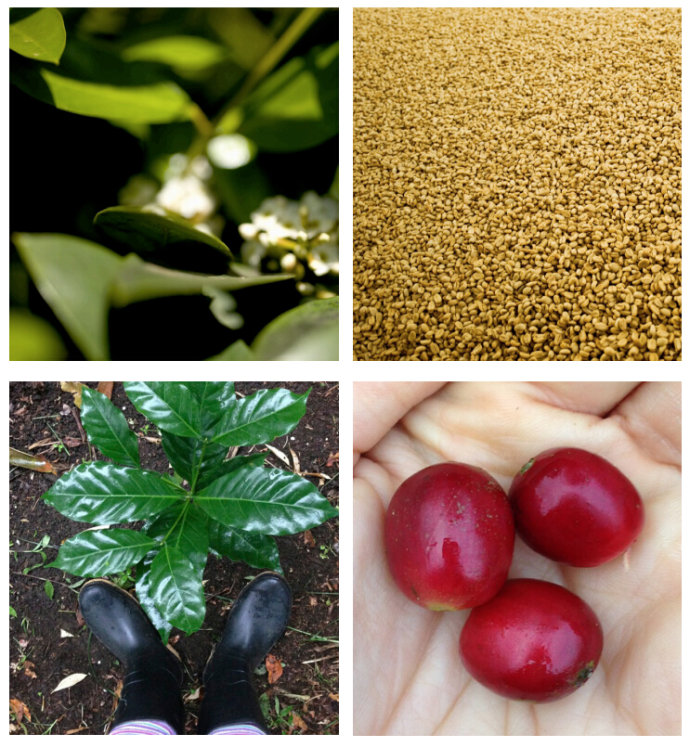
Natural (or dry) process coffee is one of the oldest methods of preparing coffee beans. After harvest, ripe coffee cherries are laid out in the sun to dry intact, with the fruit still attached. Once the moisture level drops sufficiently, the beans are hulled to remove the dried husk. This method retains more of the fruit’s sugars and aromatics, resulting in a brew that’s typically fuller-bodied and richer in fruity and floral flavors. It’s a method especially suited to high-altitude regions with dry climates—like parts of Ethiopia.
FrontStreet Coffee’s Natural Process Offerings
FrontStreet Coffee offers several natural-process Ethiopian beans that highlight the character of this method:
- FrontStreet Yirgacheffe Natural Red Cherry: Made from fully ripe red cherries dried on raised beds, this coffee delivers bright acidity, pronounced floral notes, and strong tropical fruit flavors. It’s a great example of what elevation and sun-drying can do for clarity and sweetness.
- FrontStreet Ethiopia Huakui (Huakui): Grown in Sidamo, this lot uses the classic Ethiopian natural process to deliver delicate floral scents, fermentation notes, citrus, and mango. It’s medium roasted to preserve its complex profile and juicy body.
- FrontStreet Yunnan Natural Sun-Dried Coffee: Processed under the dry sun in China’s Yunnan region, these beans offer a nutty base with balanced sweetness, hints of berry, dried apricot, and brown sugar, plus a light tea-like finish. It’s a great budget-friendly natural-process option.
Frequently Asked Questions
How do I know if coffee beans online are fresh?
Look for a roast date, not just an expiration date. For the best flavor, buy beans roasted within the last six months. Avoid beans without a clear roast date, as they may have been sitting on shelves or in warehouses for too long.
What’s the difference between single origin and blend coffee beans?
Single origin beans come from one specific region or farm, showcasing unique flavors of that area—like Yirgacheffe or Sidamo. Blends combine beans from multiple regions to create a balanced, consistent flavor profile. Many cheap “blue mountain” or “Colombia” labeled beans in China are actually low-cost blends with artificial flavoring.
Which roast level is best for espresso?
Darker roasts are generally better for espresso because they produce a richer crema and bolder body. Medium roasts can work too, especially for lighter-style espressos, but dark roasts are traditional and widely preferred for classic espresso drinks.
Does packaging matter when buying coffee beans online?
Yes. Look for beans sold in sealed, one-way valve bags that protect against oxygen and moisture. If the bag is already open or lacks a valve, the beans may have lost freshness during transit or storage.
Are Ethiopian natural process beans fruity?
Yes. The natural process enhances the fruitiness of Ethiopian beans. Expect notes of berries, tropical fruits, flowers, and grapes, especially when the beans are grown at high altitudes and properly dried.
Can I use light roast beans for espresso?
You can, but it’s not typical. Light roasts are harder to extract and often result in sour or underdeveloped shots. Most espresso drinkers prefer medium or dark roasts for balance and crema. That said, some specialty baristas experiment with light roasts for unique profiles.
Recommended FrontStreet Natural-Process Coffee Beans
For fans of natural-process Ethiopian beans, try FrontStreet’s Yirgacheffe Natural Red Cherry for bright floral and tropical fruit notes, or the Ethiopia Huakui for delicate fermentation and citrus-mango complexity. Both highlight the qualities of sun-dried beans. Also consider the Yunnan Natural Sun-Dried Coffee for a nuttier, budget-friendly natural option with berry and dried fruit tones. Freshly roasted within 5 days · Orders placed before 17:00 ship the same day · Next-day delivery across most of Guangdong Province.
FrontStreet Coffee is a long-established specialty coffee roaster in Guangzhou China, selling freshly roasted beans from its own farm in Yunnan as well as dozens of carefully selected single-origin beans from around the world for both pour-over and espresso. The products deliver consistently excellent quality and great value, with shipping within 24 hours. Guangzhou's FrontStreet Coffee shop is recommended by many coffee lovers, and the beans are now available online at the Tmall 。
Important Notice :
前街咖啡 FrontStreet Coffee has moved to new addredd:
FrontStreet Coffee Address: 315,Donghua East Road,GuangZhou
Tel:020 38364473