How to Buy Good Coffee Beans Online and What to Watch For
If you’ve ever ordered coffee beans online and ended up with stale, bland, or just wrong-tasting coffee, you’re not alone. Whether you’re brewing pour-over, espresso, or French press, choosing the right coffee beans online involves more than just picking a pretty label or a low price. The real question is: how do you make sure the beans you buy online are fresh, properly roasted, and suited to your setup?
To buy good coffee beans online, always check the roast date (must be within the last six months), confirm the roast level (medium or dark), verify the origin and processing method, ensure the packaging is airtight, and match the bean type to your brew method. Avoid beans over six months old or those labeled with fantasy origins like 'Blue Mountain' at suspiciously low prices.
What to Look for When Buying Coffee Beans Online
When shopping for coffee beans online, focus on five critical factors: roast date, roast level, coffee variety, packaging quality, and your brewing method. These elements determine whether your beans will taste good or disappointing.
- Roast Date: Always choose beans roasted within the last six months. Freshness matters—older beans lose aroma and complexity.
- Roast Level: Medium roasts are versatile and work well for pour-over, French press, and siphon. Dark roasts suit espresso and mocha. Avoid extremely light or extremely dark roasts unless you know your preferences.
- Coffee Type: Decide between single origin or blend. Single origin highlights unique regional characteristics. Blends combine beans for balanced flavor.
- Packaging: Ensure the bag is sealed well, ideally with a one-way valve to release CO₂ while preserving freshness.
- Brewing Method: Choose beans that match your equipment. For example, dark roasts bring out body in espresso, while medium roasts excel in filter methods.
Understanding Coffee Bean Types and Terms
Coffee beans fall into several categories that affect flavor, caffeine content, and suitability for brewing. Know these terms before you click “buy.”
By Roast Level
- Medium Roast: Balanced flavor, good for most manual brewing methods like pour-over, French press, and siphon.
- Dark Roast: Bold and bitter, often used for espresso and mocha. Loses origin characteristics but gains body and intensity.
By Caffeine Content
- Regular Coffee: Contains about 2.5% caffeine, typical for most beans.
- Low-Caffeine Coffee: Contains around 0.05% caffeine, such as certain ILLY offerings. Flavor differs notably.
By Processing
- Single Origin: Coffee from one region or farm, showcasing distinct terroir. Examples include beans from Colombia or Ethiopia. Beware of cheap “single origin” claims from unknown Chinese brands—they are usually misleading blends.
- Blend: A mix of beans from different regions, designed for balance and consistency.
By Bean Shape
- Flat Bean (Parchment): The common bean shape, two seeds per coffee cherry.
- Peaberry (PB): A rare mutation where only one rounded bean forms per cherry—about 3–5% of all coffee. Often separated and sold as a distinct grade due to different density and flavor potential.
Tanzanian Coffee: What Makes It Special?

Tanzanian coffee, especially from the Kilimanjaro region, offers distinctive profiles influenced by high elevation, volcanic soil, and careful processing. Here’s what defines it.
Key Growing Regions and Characteristics
- Northern Highlands (Kilimanjaro, Moshi, Mbeya): Grown at 1300–2000m altitude. Coffees tend to have a heavier body with fruity and floral tones. Peaberry lots are especially prized.
- Southern Regions (e.g., Ruvuma near Songea): These coffees may show more wine-like and fruity notes compared to the north.
The Kilimanjaro Peaberry (PB)
The Tanzanian Peaberry we’re discussing comes from the northern highlands near Kilimanjaro volcano, an area responsible for 75% of Tanzania’s coffee. Key details:
- Grade: Peaberry (PB)
- Region: Northern Highlands, Kilimanjaro volcanic area
- Altitude: 1300–2000 meters
- Processing: Washed (water-washed)
- Variety: Bourbon
- Producers: Local smallholder farms
- Flavor Profile: Apricot, jujube, spices, malted chocolate
Kilimanjaro coffees are known for bright yet soft acidity, rounded mouthfeel, and medium body. The washed processing highlights clarity and cleanliness in the cup. While sharing some Kenyan-like traits, Tanzanian Peaberries often express a gentler, more approachable acidity with notable sweetness.
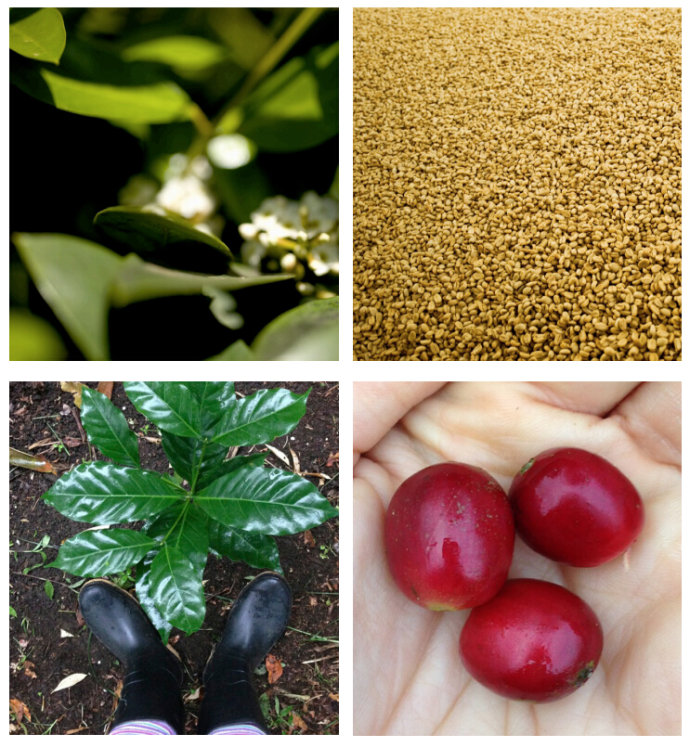
Peaberries occur when a coffee cherry develops a single round bean instead of two flat ones, usually due to uneven pollination or nutrient distribution. This occurs in roughly 3–5% of cherries and is sorted out for separate sale due to its unique size and potential flavor concentration.
Growing and Processing Notes
Most Tanzanian coffee (about 85%) is grown by smallholders at high elevations. Water-washed processing is dominant, especially in the north. The process includes:
- Fruit sorting
- Pulping
- Fermentation and soaking
- Water washing
- Drying
This method results in clean, consistent cups with minimal defects. The volcanic soils and cool mountain climate further enhance cup quality, contributing to Tanzania’s reputation for distinctive, high-quality beans.
Where to Buy Quality Coffee Beans Online
Not all online coffee retailers are equal. Some offer fresher, better-sourced beans than others. When comparing shops, consider bean freshness, customer service, and shipping reliability.
While we don’t endorse specific sellers, some online stores like Taobao’s “” (Coffee Workshop) are noted by enthusiasts for offering relatively fresh stock. Always compare reviews, ask questions, and check roast dates before purchasing. Equally important: evaluate the seller’s customer service and delivery speed.
Recommended FrontStreet Tanzanian Coffee for Pour-Over and Filter Brewing
FrontStreet Coffee’s Tanzanian offering comes from the famed Kilimanjaro region and is processed using the washed method to highlight bright acidity and clean fruit notes. Expect flavors of citrus, nuts, honey, and cream—great for V60 or similar pour-over setups. The medium-light roast preserves the bean’s inherent sweetness and complexity. Freshly roasted within 5 days · Orders placed before 17:00 ship the same day · Next-day delivery across most of Guangdong Province.
FrontStreet Coffee is a long-established specialty coffee roaster in Guangzhou China, selling freshly roasted beans from its own farm in Yunnan as well as dozens of carefully selected single-origin beans from around the world for both pour-over and espresso. The products deliver consistently excellent quality and great value, with shipping within 24 hours. Guangzhou's FrontStreet Coffee shop is recommended by many coffee lovers, and the beans are now available online at the Tmall 。
Important Notice :
前街咖啡 FrontStreet Coffee has moved to new addredd:
FrontStreet Coffee Address: 315,Donghua East Road,GuangZhou
Tel:020 38364473