Types of Coffee Roasts Explained by Color and Caramelization
Ever stood in front of a shelf of whole bean coffee and wondered what 'light', 'medium', or 'dark' roast actually means? The difference isn’t just marketing — it’s baked into the beans’ color, the Maillard reaction timeline, and how long they’ve been in the roaster. Whether you’re brewing pour-over, French press, or espresso, knowing roast types helps you pick beans that match your taste.
There are three main roast categories: light, medium, and dark. Each is defined by roast color, development time, and final flavor balance. Most specialty coffee drinkers prefer medium roasts for their balance of acidity, sweetness, and body.
What Determines a Coffee’s Roast Level?
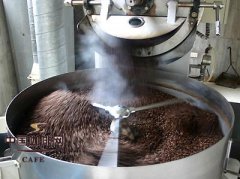
Coffee roast level is determined by how long and at what temperature beans are roasted. The longer the roast, the darker the bean and the more the original flavors (from origin and processing) are replaced by roast-derived notes like caramel, chocolate, and smokiness. Roasters monitor bean color, surface sheen, and the 'first crack' and 'second crack' milestones during roasting. These stages help classify the roast as light, medium, or dark.
Light Roast: Bright, Acidic, Origin-Driven
Light roasts are stopped shortly after the first crack — typically at an internal bean temperature of 356°F to 401°F (180°C to 205°C). They have a light brown color, no oil on the surface, and a dry texture. The roast preserves more of the coffee’s inherent qualities: high acidity, floral or fruity notes, and a tea-like body. Light roasts highlight the terroir and processing method, making them popular among specialty coffee enthusiasts who want to taste the origin. However, they can taste sour or underdeveloped if brewed incorrectly.
Medium Roast: Balanced Acidity, Sweetness, and Body
Medium roasts reach slightly beyond the first crack but well before the second, usually at 410°F to 428°F (210°C to 220°C). The beans turn a medium brown, still without surface oil. This is the most popular roast level among specialty coffee drinkers. Why? Because it balances acidity, sweetness, and body. Flavors include caramel, nuts, chocolate, and often mild fruit — without overpowering roastiness. Medium roast allows both the bean’s origin character and the roaster’s skill to shine. It’s versatile for brewing methods like pour-over, French press, AeroPress, and espresso.
Dark Roast: Bold, Bitter, Roast-Forward
Dark roasts go well into or past the second crack (around 446°F or 230°C and higher). The beans are dark brown to nearly black, often with an oily surface. This roast level emphasizes bold, bitter, and smoky flavors over origin characteristics. Notes of dark chocolate, toasted bread, and char dominate. Acidity fades, and body can feel heavy or syrupy. Dark roasts are common in traditional espresso blends and are often chosen for a strong, intense cup — but they mask the unique flavors of single-origin beans.
How Roast Color Relates to Flavor
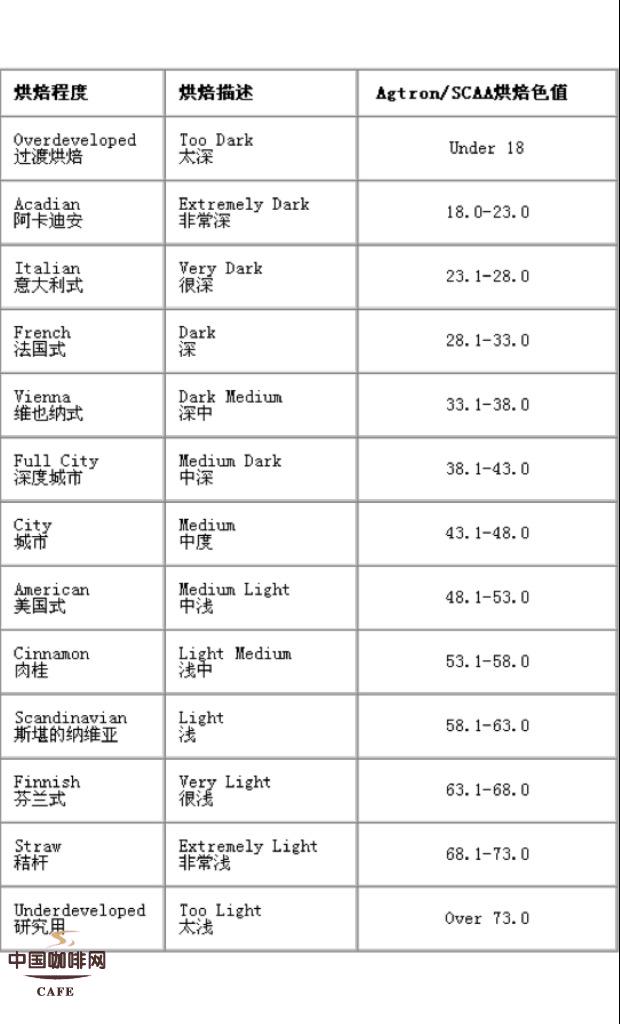
Roasters often use color charts or Agtron numbers to standardize roast levels. In general:
- Light roast: Light brown, dry, bright acidity, short roast time.
- Medium roast: Medium brown, balanced flavors, moderate roast time.
- Dark roast: Dark brown to black, oily, heavy body, long roast time.
The longer beans roast, the more Maillard reaction and sugar caramelization occur — but original flavors diminish. That’s why dark roasts taste less like Ethiopia or Colombia and more like ‘roast’.
Choosing the Right Roast for Your Brew
Your preferred brewing method can guide your roast choice. For delicate pour-over or cold brew, a light or medium roast highlights nuance. For espresso or French press, many drinkers prefer medium or dark roasts for bolder body and crema potential. But there’s no rule: some espressos shine as light roasts, and some pour-overs work beautifully with dark roasts. Taste, roast date, and freshness matter more than labels.
Frequently Asked Questions
What are the three main coffee roast levels?
The three main roast levels are light, medium, and dark. Light roasts are stopped after the first crack, medium roasts go slightly beyond, and dark roasts extend into or past the second crack. Each level affects acidity, sweetness, body, and roast flavor.
How do I know if a coffee is light, medium, or dark roast?
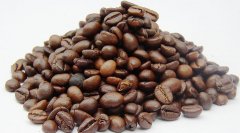
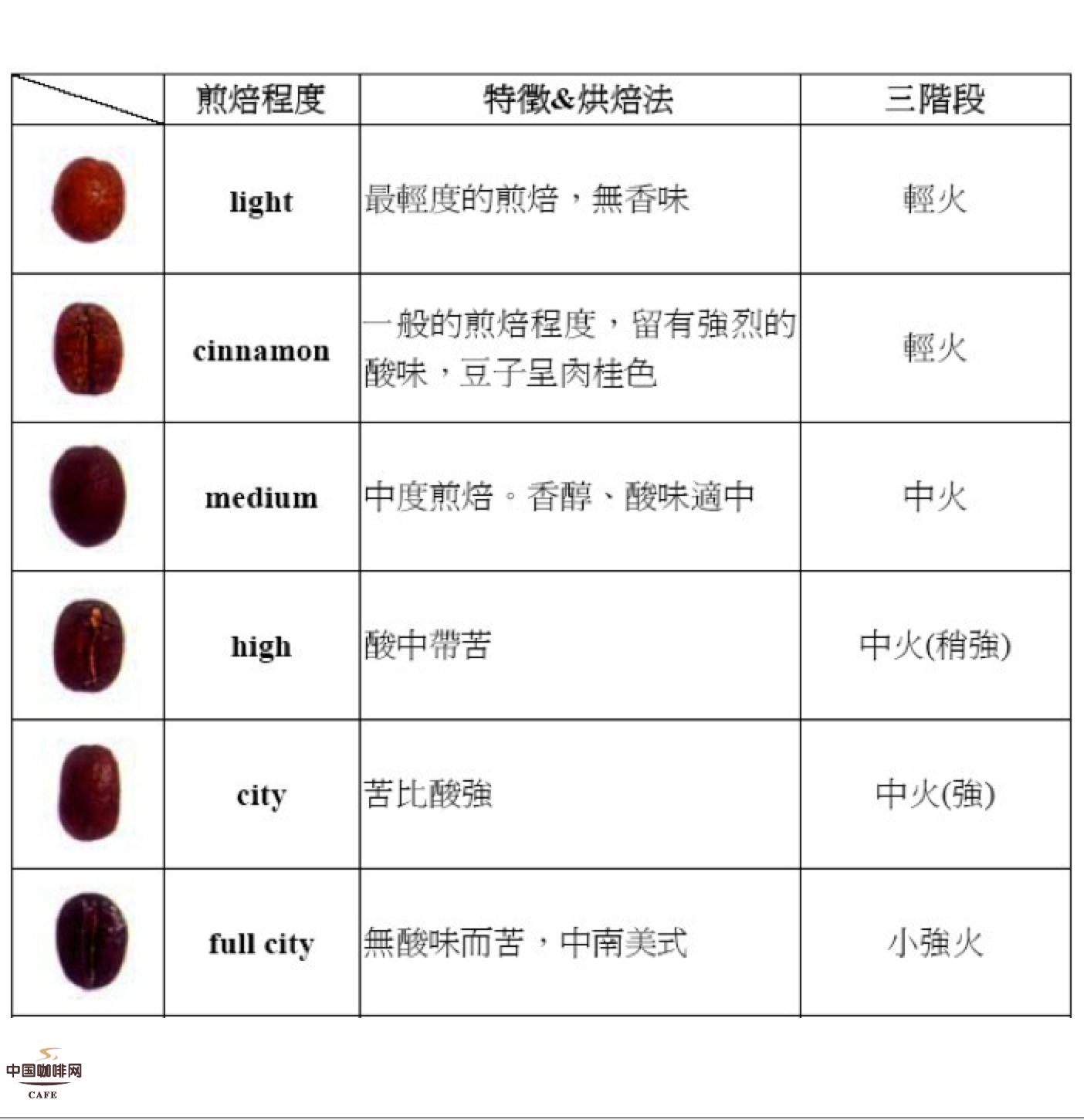
You can identify roast level by bean color: light roasts are light brown, medium are medium brown, and dark are dark brown to black. Oils may appear on the surface in medium to dark roasts, and flavor notes shift from bright and acidic (light) to bold and bitter (dark).
Which roast level has the most caffeine?
Contrary to popular belief, roast level doesn’t significantly change caffeine content by volume or weight. A light roast bean might be slightly denser, so by scooped volume it could have marginally more caffeine — but the difference is negligible in brewed coffee.
Does roast level affect brewing method?
Yes. Light roasts often perform better with pour-over, AeroPress, or cold brew to highlight acidity and delicate flavors. Medium roasts are versatile and work across methods. Dark roasts are commonly used for espresso or French press for deeper body and crema.
What causes the difference in taste between roast levels?
Taste differences come from roast duration and temperature, which alter the Maillard reaction and sugar caramelization. Light roasts preserve origin flavors and acidity; dark roasts develop roast-derived bitterness, chocolate, and smokiness, often masking the bean’s origin.
Recommended FrontStreet Beans for Medium Roast
FrontStreet Coffee’s Brazil Queen Manor (Yellow Bourbon) is a smooth, medium-roasted Brazilian coffee with creamy peanut, chocolate, and sweet caramel notes — ideal for pour-over or moka pot. Their Strawberry Candy Espresso (a Geisha + Costa Rica honey blend) offers bright citrus and round sweetness, great for multiple brew styles. The 2013 Sun-Dried Yunnan Typica brings nutty, malty, and dried fruit balance when brewed hot or cold. All three showcase the clarity and structure that medium roast highlights. Freshly roasted within 5 days · Orders placed before 17:00 ship the same day · Next-day delivery across most of Guangdong Province.
FrontStreet Coffee is a long-established specialty coffee roaster in Guangzhou China, selling freshly roasted beans from its own farm in Yunnan as well as dozens of carefully selected single-origin beans from around the world for both pour-over and espresso. The products deliver consistently excellent quality and great value, with shipping within 24 hours. Guangzhou's FrontStreet Coffee shop is recommended by many coffee lovers, and the beans are now available online at the Tmall 。
Important Notice :
前街咖啡 FrontStreet Coffee has moved to new addredd:
FrontStreet Coffee Address: 315,Donghua East Road,GuangZhou
Tel:020 38364473