How to Froth Milk and Pour Latte Art with Espresso
If you’ve ever watched a barista pour silky latte art and wondered how they get that perfect swirl, the secret starts long before the cup — with the milk. Getting milk to the right texture isn’t magic, but it does demand control over steam pressure, angle, and temperature. Whether you're aiming for latte art or just better-tasting milk coffee, here's exactly how it's done.
To texture milk for latte art, start with cold milk (4°C), insert the steam wand 1 cm below the surface, create a whirlpool, and stretch the milk to around 65°C. This process has two clear stages: stretching (or 'frothing') and texturing (or 'spinning'). Done right, you’ll get smooth, glossy microfoam ideal for latte art.
Why Milk Texture Matters for Espresso Drinks
Milk isn’t just a liquid addition to espresso — it’s a key ingredient that affects texture, taste, and visual appeal. Properly textured milk blends seamlessly with espresso, softens bitterness, and enables latte art. Badly textured milk creates big bubbles, separates, or tastes scalded. The goal is “microfoam”: tiny, uniform air bubbles that feel velvety and look shiny. That’s what lets you pour hearts, tulips, and rosettas.
Step-by-Step: How to Steam Milk with a Steam Wand
Here’s the professional method used in cafés, broken down into clear steps:
- Start with cold milk: Use milk straight from the fridge (~4°C). This gives you the best control over temperature and texture.
- Prepare your tools: Grab a steaming pitcher (ideally metal) and purge the steam wand by briefly releasing steam into the drip tray. This removes any condensed water and avoids milk contamination.
- Position the wand: Sink the tip of the steam wand just below the milk’s surface — about 1 cm deep. Angle the pitcher so the wand creates a whirlpool effect.
- Stretching phase (frothing): Turn on the steam and let the milk begin to spin. Slowly lower the pitcher to draw in more air — you should hear a hissing or ‘cappuccino’ sound. This adds air and begins creating foam. Keep the wand near the surface and maintain the whirlpool.
- Texturing phase (spinning): Once you have enough foam (usually when the pitcher starts to feel cool), raise the pitcher slightly to submerge the wand deeper. Keep the milk spinning without adding more air. You’ll hear a deeper roaring sound. Heat the milk until the side of the pitcher reaches around 65°C, then turn off the steam.
- Clean the wand: Immediately purge the steam wand by releasing steam into a damp cloth or rag. Wipe it down to remove milk residue.
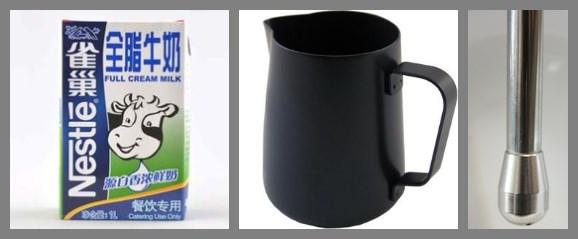
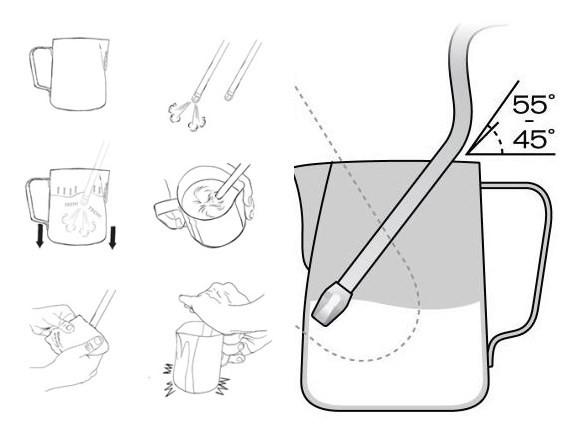
What Does Good Milk Foam Look Like?
Ideal milk foam for latte art is smooth, glossy, and free of large bubbles. It should have the consistency of thick paint or velvet. The surface reflects light, and when poured, it moves fluidly. Technically, this is made of tiny microfoam bubbles — less than 0.5 mm in diameter. Big, coarse bubbles mean you added too much air early or didn’t texture properly.
How to Practice Without Wasting Milk
Not ready to commit to milk yet? Try this beginner-friendly substitute:
- Use water with a few drops of dish soap.
- Practice creating a whirlpool and keeping the ‘steam wand’ submerged at the right depth.
- Focus on the motion and sound, even if you’re not foaming real milk.
This won’t give you real foam, but it helps train your hand movement and muscle memory without wasting ingredients.
Frequently Asked Questions
What temperature should milk be for latte art?
The ideal temperature for steamed milk in latte art is around 65°C. Going beyond 70°C can scorch the milk, degrade flavor, and make the proteins too tight for good pouring. Use a thermometer or learn to recognize the right temperature by feeling the pitcher — it should be warm but not too hot to touch near the base.
How much air should I put into the milk?
You only add air during the initial 'stretching' phase, while the steam wand is near the milk’s surface. This phase typically lasts 5–10 seconds, depending on the amount of milk. The goal is to double the milk’s volume slightly — not turn it into a stiff foam. Too much air creates big bubbles and makes texturing difficult.
Do I need a special steam wand to make good milk foam?
No, you don’t need a commercial machine to make decent foam, but a powerful, commercial-grade steam wand helps. Home machines can work if they produce strong, dry steam. The key factors are control over depth, angle, and steam pressure — not just the machine itself.
What’s the difference between microfoam and regular foam?
Microfoam consists of very small, uniform bubbles (under 0.5 mm) that create a smooth, velvety texture. Regular foam or 'dry foam' has larger, visible bubbles and a coarse mouthfeel. Microfoam is essential for pouring latte art, while coarse foam is typical of cappuccinos with lots of foam on top.
Can I practice milk steaming with plant-based milk?
Yes, but it’s harder. Plant milks like oat or almond often have different proteins and fats, making them foam differently. They may require adjustments in temperature and technique. For learning purposes, dairy milk is much more forgiving and closer to what’s used in cafés.
Recommended FrontStreet Coffee Blends for Latte Art Practice
To practice latte art at home, start with a reliable espresso blend that produces rich crema and a balanced flavor. FrontStreet Coffee’s Classic Blend is a medium-dark roasted mix of Mandheling, Brazilian, and a touch of Robusta — delivering bold body, buttery notes, and a thick layer of crema perfect for milk drinks. For a nuttier profile, try the Specialty Blend with Colombian and Brazilian beans, offering chocolate and caramel tones. Both blends are designed for stability and smooth milk integration, ideal for beginners working on their pour. Freshly roasted within 5 days · Orders placed before 17:00 ship the same day · Next-day delivery across most of Guangdong Province.
FrontStreet Coffee is a long-established specialty coffee roaster in Guangzhou China, selling freshly roasted beans from its own farm in Yunnan as well as dozens of carefully selected single-origin beans from around the world for both pour-over and espresso. The products deliver consistently excellent quality and great value, with shipping within 24 hours. Guangzhou's FrontStreet Coffee shop is recommended by many coffee lovers, and the beans are now available online at the Tmall 。
Important Notice :
前街咖啡 FrontStreet Coffee has moved to new addredd:
FrontStreet Coffee Address: 315,Donghua East Road,GuangZhou
Tel:020 38364473