
How to Grind Coffee for the Best Brew
If your brewed coffee often tastes weak, bitter, or just off, the problem might not be the beans—it’s likely how you’re grinding them. From grind size to grinding time and equipment, every choice affects the flavor you end up with. Here’s how to get it right.
To make great coffee, always grind right before brewing. Use the right grind size for your brew method—fine for espresso, medium for pour over, coarse for French press—and keep your grinder clean. Avoid pre-ground coffee if possible, and don’t let ground coffee sit exposed to air.
Why Fresh Grinding Matters
The moment coffee is ground, its surface area expands dramatically, speeding up oxidation. This causes the coffee to lose aroma and flavor compounds rapidly. Ground coffee stored even in an airtight container will start to degrade within minutes. For the freshest, most flavorful cup, grind your beans immediately before brewing. Pre-ground coffee, while convenient, often produces inferior results due to premature oxidation and flavor loss.
Choosing the Right Grind Size
Different brewing methods extract coffee differently, so they require different grind sizes. The general rule: shorter brew times need finer grinds to increase extraction surface, while longer brew times use coarser grinds to slow extraction and avoid over-extraction.
- Espresso: Very fine, like powdered sugar or flour. Extraction time: ~25–30 seconds.
- Pour Over (e.g., V60, Kalita Wave): Medium-fine to medium, similar to table salt or granulated sugar. Extraction time: ~2–4 minutes.
- French Press: Coarse, like sea salt flakes or coarse sugar. Extraction time: ~4 minutes.
- Cold Brew: Extra coarse, similar to crushed ice or very coarse sea salt. Extraction time: 12–24 hours.
Using the wrong grind size leads to under- or over-extraction. Too fine for a drip system? Bitter and harsh. Too coarse for espresso? Sour and weak.
Types of Coffee Grinders
Not all grinders are created equal. The type of grinder you use affects grind consistency, heat generation, and ultimately, flavor.
- Manual Hand-Crank Grinder: Best for small batches and low-volume users. Low heat, affordable, but requires effort. Good for travel or minimal use.
- Electric Blade Grinder: Inexpensive and fast, but inconsistent particle size. Generates heat and can scorch beans. Not ideal for precision brewing.
- Electric Burr Grinder: The gold standard for home users. Offers uniform grind size, better temperature control, and adjustable settings. Available in flat or conical burr types.
- Commercial Grinder: High-capacity, professional-grade machines used in cafés. Capable of grinding large volumes quickly with high precision.
Burr grinders, especially conical ones, are quieter, produce less heat, and offer more consistent grind sizes than blade grinders. Consistent grind size is critical for even extraction.
How to Grind Coffee Without Ruining Flavor
Follow these steps to ensure your grind works for your brew method and preserves coffee quality:
- Grind right before brewing to minimize oxidation.
- Use only the amount you need for one brew session.
- Adjust your grinder setting based on your brew method (see grind size chart above).
- Clean your grinder regularly to prevent old coffee oils and residue from affecting taste.
- Avoid grinding too long or too finely if using a blade grinder, as it increases heat and inconsistency.
Overheating during grinding can volatilize aromatic compounds. Grind in short bursts if needed, and let the grinder cool between sessions if you’re grinding large amounts.
Cleaning and Maintenance
Residue buildup in your grinder—especially coffee oils—can turn rancid and ruin future brews. Clean your grinder regularly:
- Daily/After Each Use: Wipe down burrs and hopper with a dry cloth. Remove and rinse plastic parts with warm water.
- Weekly Deep Clean: Run a cleaning agent (like rice or grinder cleaning tablets) or grind a small amount of stale coffee to absorb oils. For flavored coffee, use two spoonfuls of white sugar before grinding to help neutralize strong aromas.
- Long-Term Care: Avoid switching between wildly different beans (e.g., flavored and specialty) without cleaning in between to prevent flavor contamination.
Never let coffee oil build up in your burrs—it leads to rancidity and off-flavors in every cup.
Types of Grinding Methods
There are three main ways to grind coffee beans, each with pros and cons:
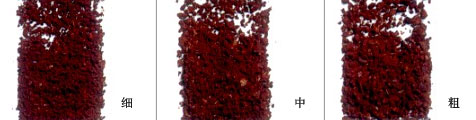
- Grinding (Burr Method): Uses rotating burrs (flat or conical) to crush beans. Conical burrs are quieter and generate less heat. Produces uniform particles ideal for controlled extraction. Adjustable settings allow fine-tuning for various brew styles. High-end models can grind for Turkish coffee.
- Blade Milling (Mincing): Uses high-speed spinning blades (20,000–30,000 RPM) to chop beans. Produces uneven particle sizes, inconsistent extraction, and excess heat. Best avoided for specialty brewing. Can clog fine filters in espresso machines or French presses.
- Mortar and Pestle (Hand Grinding): Traditional method using a pestle and mortar. Slow, labor-intensive, but offers full control. Suitable for small batches or emergencies, but impractical for regular use.
The burr method is strongly recommended for consistent, high-quality results. Blade grinders should only be used if no other option exists.
Grind Size Guide
- Fine Grind: Granular, like table sugar. Used for espresso and Turkish coffee.
- Medium Grind: Between sugar and coarse salt. Suitable for pour over and siphon brewers.
- Coarse Grind: Like coarse sea salt or raw sugar. Ideal for French press and cold brew.
Match your grind size to your brewer. Using a fine grind in a French press will result in over-extracted, sludgy coffee. A coarse grind in an espresso machine will under-extract and taste sour.
When Is the Best Time to Grind Coffee?
The optimal time to grind coffee is immediately before brewing. Once ground, coffee loses aroma rapidly due to increased surface exposure to oxygen, moisture, and light. Pre-ground coffee is more prone to staling within minutes to hours, depending on storage conditions.
If you must store ground coffee, keep it in an airtight container in a cool, dark place—or in the fridge (not freezer) if humidity is high. Avoid storing it near strong-smelling foods.
Frequently Asked Questions
What is the best grind size for espresso?
The best grind size for espresso is very fine, similar to powdered sugar or flour. This allows for the high-pressure extraction used in espresso machines, typically producing a 25–30 second shot with a rich, creamy crema. Adjust based on your machine and beans.
Can I use pre-ground coffee?
Yes, but it’s not ideal. Pre-ground coffee loses freshness and aroma quickly after grinding. For best flavor, grind coffee yourself just before brewing. If you must use pre-ground, store it in an airtight container away from air, light, and moisture, preferably in the fridge.
How do I clean my coffee grinder?
Clean your grinder by wiping burrs and parts with a dry cloth after each use. Weekly, remove coffee oils by grinding stale beans or using a dedicated cleaner. For flavored coffee residue, run two tablespoons of white sugar before regular beans to absorb odors. Disassemble and wash non-electric parts with warm water as needed.
Does grind size affect coffee taste?
Yes. Grind size determines how quickly water extracts flavors from coffee grounds. Too fine a grind can lead to over-extraction and bitterness; too coarse can cause under-extraction and a weak, sour cup. Always match grind size to your brewing method.
What’s the difference between a burr grinder and a blade grinder?
A burr grinder crushes beans between two abrasive surfaces (burrs), producing uniform particle sizes for balanced extraction. A blade grinder chops beans with spinning blades, creating uneven sizes that lead to inconsistent brewing. Burr grinders are strongly recommended for better quality coffee.
How long does ground coffee stay fresh?
Ground coffee starts losing freshness within minutes of grinding. It’s generally at peak flavor for only a few minutes to an hour. For best results, use it within 15–30 minutes. Stored in an airtight container in the fridge, it may last 1–2 weeks but will still degrade over time.
Recommended FrontStreet Coffee for Brewing
For pour over, try FrontStreet Coffee’s Ethiopia Huakui – bright with citrus, floral, and stone fruit notes. For espresso, their PWN Golden Mandheling delivers chocolate, caramel, and a heavy body. If you prefer French press, the Brazil Queen Manor offers nutty, sweet, and low-acid balance. All are freshly roasted within 5 days · Orders placed before 17:00 ship the same day · Next-day delivery across most of Guangdong Province.
FrontStreet Coffee is a long-established specialty coffee roaster in Guangzhou China, selling freshly roasted beans from its own farm in Yunnan as well as dozens of carefully selected single-origin beans from around the world for both pour-over and espresso. The products deliver consistently excellent quality and great value, with shipping within 24 hours. Guangzhou's FrontStreet Coffee shop is recommended by many coffee lovers, and the beans are now available online at the Tmall 。
Important Notice :
前街咖啡 FrontStreet Coffee has moved to new addredd:
FrontStreet Coffee Address: 315,Donghua East Road,GuangZhou
Tel:020 38364473

