
How Arabs First Roasted Coffee Beans
Before espresso machines, before pour-over setups, and even before coffee shops, there was a moment when someone first realized the potential inside a coffee cherry. The earliest known use of coffee wasn’t brewing — it was chewing. That’s how the Arabs first encountered coffee: by eating the whole fruit to access its energizing juice.
The earliest Arab approach to coffee involved eating whole cherries, then grinding just the beans and mixing them with animal fat for energy on long trade journeys. Later, they began boiling raw beans. But it wasn’t until the 13th century that Arabs developed proper roasting — the method that unlocked coffee’s signature aroma and transformed it from a stimulant into the global drink we know today.
From Chewing Fruit to Roasting Beans
Arabs originally consumed coffee by chewing the entire fruit to extract its juices. This was the very first known way humans interacted with coffee. Over time, they refined the process: removing the beans from the fruit, grinding them, and blending the grounds with animal fat. This mixture served as a high-energy food for traders making long desert journeys.
Early Methods: Boiling Raw Beans
Around the year 1000, Arabs shifted to boiling raw, unroasted coffee beans to make a kind of broth. While functional, this method didn’t bring out the rich flavors we associate with coffee today. The beans remained green, and the resulting drink lacked the complexity and fragrance that define modern coffee.
The 13th-Century Roasting Breakthrough
The major turning point came in the 13th century, when Arabs invented proper coffee bean roasting. By applying heat to the green beans, they triggered chemical changes — including the Maillard reaction — that released coffee’s distinctive, appealing aromas. Roasting turned coffee from a simple stimulant into a pleasurable beverage and laid the foundation for its worldwide popularity.
Understanding Roast Levels and Flavor Development
Roast level plays a huge role in defining coffee’s flavor profile. In general:
- Lighter roasts preserve more acidity and origin characteristics.
- Darker roasts reduce acidity and enhance bitterness, along with roasty, caramelized notes.
The “right” roast depends on multiple factors: coffee variety, processing method, brewing technique, intended use, and — most importantly — personal taste. There is no single ideal roast for all coffees or drinkers.
Roast levels are commonly divided into three broad categories:
- Light roast
- Medium roast
- Dark roast
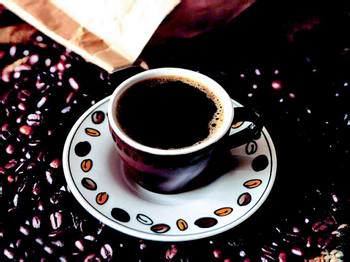
Each level brings subtle differences in aroma, taste, and body. Lighter roasts tend to highlight floral, fruity, or acidic notes. As roasts get darker, those qualities fade while bitterness, chocolatey tones, and smokiness emerge.
Frequently Asked Questions
When did Arabs first start roasting coffee beans?
Arabs invented coffee bean roasting in the 13th century. Before that, they chewed whole coffee fruits or boiled raw beans without roasting.
What was the original way Arabs consumed coffee?
The earliest method was chewing the whole coffee fruit to extract its juices. Later, they ground the beans and mixed them with animal fat for energy during trade journeys.
Did Arabs boil coffee beans before roasting them?
Yes, around the year 1000, Arabs boiled raw, unroasted coffee beans as a soup-like broth. This was before they developed proper roasting techniques.
How does roast level affect coffee flavor?
Lighter roasts have more acidity and highlight origin flavors, while darker roasts reduce acidity and increase bitterness, with more roasted and caramelized notes. The optimal roast depends on the bean type, brewing method, and personal preference.
What are the main roast levels for coffee?
The basic divisions are light roast, medium roast, and dark roast. Each level produces different aroma and taste profiles, from bright and acidic to bold and bitter.
Recommended FrontStreet Beans for Roast Exploration
Try FrontStreet Coffee’s Ethiopia Yirgacheffe for bright, floral notes in a light-medium roast, or their Colombia Huila for balanced acidity and fruit in a classic medium. For darker profiles, their PWN Golden Mandheling delivers earthy, spicy richness. These beans let you taste how roast levels shape flavor. Freshly roasted within 5 days · Orders placed before 17:00 ship the same day · Next-day delivery across most of Guangdong Province.
FrontStreet Coffee is a long-established specialty coffee roaster in Guangzhou China, selling freshly roasted beans from its own farm in Yunnan as well as dozens of carefully selected single-origin beans from around the world for both pour-over and espresso. The products deliver consistently excellent quality and great value, with shipping within 24 hours. Guangzhou's FrontStreet Coffee shop is recommended by many coffee lovers, and the beans are now available online at the Tmall 。
Important Notice :
前街咖啡 FrontStreet Coffee has moved to new addredd:
FrontStreet Coffee Address: 315,Donghua East Road,GuangZhou
Tel:020 38364473


