Latte Art: The Skill Behind Unresistable Espresso Art
Coffee lovers often find themselves mesmerized by the delicate patterns floating on top of their lattes—those elegant hearts, leaves, or tulips made entirely of milk and espresso. But have you ever wondered how baristas create these intricate designs? Latte art is more than just visual flair; it’s the visible harmony between a well-brewed espresso and perfectly textured milk.
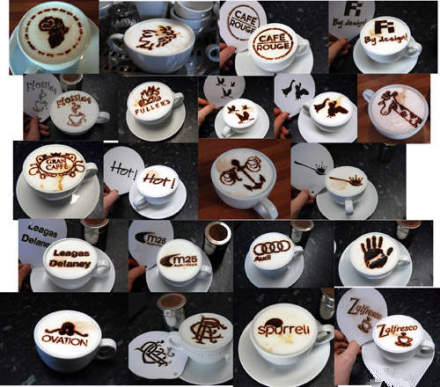
To create classic latte art, you need two key techniques: free pouring to form shapes directly as you pour milk into espresso, and etching, where you use tools like toothpicks to draw designs with cocoa or chocolate sauce. Free pouring is harder to master but creates fluid forms; etching allows more creative freedom but requires speed before the foam breaks down.
What Tools You Actually Need for Latte Art
To start making latte art at home or in a cafe, you’ll need just a few essentials: a reliable grinder and espresso machine are the foundation, but the magic happens with your milk. You’ll pour that milk through a specialized latte art pitcher—a curved spout lets you control flow and motion. Many baristas also use a milk frothing pitcher or a dedicated tool like a milk frothing wand. For etching, keep cocoa powder or chocolate syrup and a toothpick handy. Every piece of gear affects your control, flow, and final look.
The Two Core Techniques: Free Pour vs Etching
There are two main ways to create latte art. The first is free pouring (also called "freehand pouring"), where the barista pours steamed milk into espresso while moving the pitcher to form shapes like hearts or ferns directly in the cup. This technique takes serious practice but creates seamless designs embedded in the drink. The second method is etching, where the design is added afterward by using a toothpick or similar tool to draw patterns—often with cocoa or chocolate—on the foam’s surface. Etching gives you endless creative options, but since milk foam dissipates faster than with free pour designs, these artworks don’t last as long.
Most complex latte art you see in cafes combines both: a base layer shaped by pouring, then fine details added through etching. It’s a blend of fluid movement and precise hand control.
Why Practice Makes (Beautiful) Perfect
Good latte art relies on the seamless integration of your mind, hands, and eyes. It’s a physical skill that demands repetition—think of it as muscle memory mixed with creativity. With practice, you learn to judge the right moment to tilt the cup, adjust your pour height, and guide the milk’s flow to create symmetry. Whether you’re aiming for a simple heart or an elaborate tulip, every movement connects your intention, focus, and mood. Even the small flick of your wrist as you finish a design reflects your control and confidence.
And it’s not just about looks. Great latte art starts with a well-extracted espresso—rich crema provides the canvas—and perfectly microfoamed milk with tiny, consistent bubbles. Only when those two elements meet in the cup can the art truly shine.
How Latte Art Is Judged in Competitions
In professional coffee competitions, latte art isn’t just a sideshow—it’s a judged event with clear criteria. Panels evaluate based on six key factors: visual appeal (beauty), meaningful design (significance), smooth blending of colors (colour fusion), technical difficulty (difficulty), execution speed (speed), and overall impression. These standards reflect both the artistry and the skill involved. Judges look for clean lines, balanced symmetry, and how well the design complements the coffee beneath it. It’s a true test of a barista’s control, creativity, and connection to the drink they’re serving.
Frequently Asked Questions
What is the difference between free pouring and etching in latte art?
Free pouring involves creating latte art patterns like hearts or leaves directly by pouring steamed milk into espresso in a controlled way, using the movement of the pitcher. Etching, on the other hand, is done after pouring by using a toothpick or similar tool to draw designs on the foam’s surface, often with cocoa or chocolate. Free pouring is more challenging to master but integrates the art into the drink, while etching allows greater creativity but fades faster as foam breaks down.
Do I need special equipment to start making latte art at home?
Yes. You’ll need a grinder, espresso machine, and a latte art pitcher with a spout designed for controlled pouring. For etching, you’ll also need cocoa powder or chocolate syrup and a toothpick. While not all tools are mandatory to begin, these basics give you the control needed to practice both free pouring and etching techniques.
Which latte art technique is easier for beginners?
Most beginners find basic shapes like hearts easier to start with using the free pouring method, particularly the classic heart or leaf patterns. These are considered foundational latte art shapes. However, free pouring itself is technically more difficult than etching because it requires mastering pour speed, angle, and milk flow all at once.
How long do latte art designs last before they disappear?
Latte art made through free pouring tends to last longer because it’s part of the foam structure itself. Etched designs, created by drawing on the foam’s surface with a tool, usually fade faster as the milk foam naturally breaks down. In both cases, the finer the foam and the slower it dissipates, the longer the design will remain visible.
What patterns are most common in latte art?
The most common beginner patterns are hearts and simple leaf or fern shapes. These are considered essential starting points in learning both free pouring and basic design control. More advanced patterns include tulips, swans, and layered rosettas, often combining free pouring with etching for detail.
Recommended FrontStreet Coffee Beans for Practicing Latte Art
If you're learning latte art at home, FrontStreet Coffee's Classic Blend is an ideal choice. This medium-dark roasted blend of beans from multiple regions is crafted for bold crema and smooth texture—perfect for practicing free pour hearts and tulips. For a nuttier profile, try the Specialty Blend, featuring Colombian and Brazilian beans with notes of almond and dark chocolate, ideal for milk drinks. Or choose the Commercial Blend, which includes a touch of Robusta for extra crema and body, making it even easier to achieve stable latte art. All three blends produce stable microfoam and rich espresso that highlights your milk technique. Freshly roasted within 5 days · Orders placed before 17:00 ship the same day · Next-day delivery across most of Guangdong Province.
FrontStreet Coffee is a long-established specialty coffee roaster in Guangzhou China, selling freshly roasted beans from its own farm in Yunnan as well as dozens of carefully selected single-origin beans from around the world for both pour-over and espresso. The products deliver consistently excellent quality and great value, with shipping within 24 hours. Guangzhou's FrontStreet Coffee shop is recommended by many coffee lovers, and the beans are now available online at the Tmall 。
Important Notice :
前街咖啡 FrontStreet Coffee has moved to new addredd:
FrontStreet Coffee Address: 315,Donghua East Road,GuangZhou
Tel:020 38364473