Why Hand Grinders Can Be a Bad Choice for Coffee
If you've ever tried to make pour-over or French press coffee with a hand grinder, you might have noticed something off in the cup. Maybe the flavours were inconsistent, or the extraction felt uneven. That could very well come down to the tool you're using — not just your technique. Hand grinders, while portable and affordable, come with real trade-offs that affect how your coffee tastes.
In short: yes, hand grinders can be bad for coffee quality. They often produce uneven grind sizes, generate excess heat during grinding, take several minutes to grind just 20 grams of beans, and are prone to mechanical wear — all of which hurt your coffee’s flavour and your brewing experience.
Uneven Grind Size Is a Common Issue
The primary technical drawback of most hand grinders lies in their burr design and build. Unlike electric grinders with high-torque motors and precisely aligned conical or flat burrs, hand grinders typically use smaller, lower-grade burrs mounted in a basic housing. These burrs often cannot maintain the tight tolerances needed for uniform grind distribution. As a result, you get a mix of boulders and fines — especially noticeable when grinding finer for espresso or pour-over. This inconsistency leads to uneven extraction: some particles over-extract while others under-extract, pulling out unwanted bitterness or sourness.
Heat Build-Up Affects Aroma and Extraction
Another downside is heat. Grinding coffee generates friction, and that friction creates heat — more than you'd think, especially when you’re cranking by hand for several minutes. Hand grinders tend to get noticeably warm during use, and while the amount of heat might seem minor, it can still degrade the delicate aromatic compounds in the coffee. This is part of what’s meant by ‘loss of aroma’ or ‘volatiles escaping’. The heat doesn’t just dissipate into the air — it also slightly cooks the surface of the ground coffee, altering its flavour profile before you’ve even brewed. That’s why freshly ground coffee smells amazing — until the grinder heats it up.
Grinding 20 Grams Can Take Several Minutes
Then there’s the speed issue. Hand grinders are slow. According to the original report, grinding 20 grams of coffee by hand can take anywhere from three to four minutes of continuous cranking. That’s not just inconvenient — it’s physically tiring. Your wrist and forearm take the brunt of the effort, and over time, that repetitive motion can become uncomfortable or even painful. Some enthusiasts treat it like a workout, but for daily or even weekly home brewing, the inefficiency adds up. Compare that to an electric grinder that can do the same job in 10–20 seconds, and the trade-off becomes clearer.
Mechanical Wear and Durability Concerns
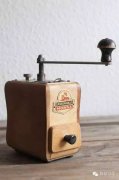
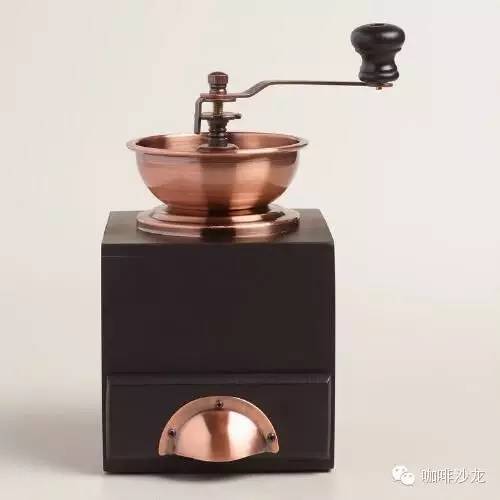
Finally, many hand grinders have a design flaw related to their wooden bases. The burr assembly is usually secured to the wooden body with screws, and over time, repeated tightening and loosening enlarges the screw holes. This misalignment makes it difficult or impossible to keep the burrs properly aligned or secured, ultimately rendering the grinder unusable. While some users recommend relocating the screws to new holes in the wood, this is a temporary fix. Eventually, the whole assembly may need replacing — and not every hand grinder is built to last long enough to justify that effort.
When a Hand Grinder Might Still Work
None of this means hand grinders are useless. For travel, camping, or as an entry-level tool, they can still be valuable. Some high-end hand grinders (not discussed in the source) offer better burr materials and alignment, narrowing the gap with electric models. But for consistent, high-quality home brewing — especially when aiming for precision in espresso or filter coffee — the limitations of most hand grinders are hard to ignore.
Frequently Asked Questions
Why do hand grinders produce uneven grounds?
Most hand grinders use lower-quality, less precisely aligned burrs compared to electric models. This results in a mix of fine and coarse particles — known as boulders and fines — which leads to uneven extraction and inconsistent flavour in the cup.
Does grinding coffee by hand create heat?
Yes. The friction from manually grinding coffee beans generates heat, which can degrade volatile aromatic compounds. This heat loss contributes to what’s commonly described as ‘loss of aroma’ or the coffee’s fragrance dissipating too quickly.
How long does it take to grind 20g with a hand grinder?
According to the article, grinding 20 grams of coffee beans with a typical hand grinder can take three to four minutes of continuous effort. That’s significantly slower than using an electric grinder, which can do it in seconds.
Are hand grinders bad for all types of coffee brewing?
Not necessarily. For methods like French press or cold brew where grind consistency is less critical, a hand grinder may still be usable. But for espresso or precision pour-over, the uneven grind and other limitations often outweigh the benefits.
What causes hand grinders to break or wear out?
Many hand grinders have wooden bases with burrs held by screws. Over time, those screw holes enlarge from repeated use, making the burr assembly unstable or misaligned. This mechanical wear is a common reason hand grinders eventually become unusable.
Is a hand grinder worth it for daily use?
For most people aiming for high-quality, consistent extractions daily, a hand grinder is often not practical due to slowness, effort, and uneven grind. It may suit casual or travel use, but not as a primary brewing tool.
Recommended FrontStreet Coffee for Manual Brewing
If you’re committed to using a hand grinder, choose beans that can handle a bit of variability in grind size. FrontStreet’s Yirgacheffe Red Cherry offers bright berry and citrus tones with a smooth mouthfeel — forgiving in less-than-perfect extractions. Their Strawberry Candy Espresso Blend highlights sweet fruit and floral notes ideal for pour-over, while the Yellow Bourbon from Brazil’s Queen Manor brings nutty, caramel sweetness that works well even with slight grind inconsistencies. Freshly roasted within 5 days · Orders placed before 17:00 ship the same day · Next-day delivery across most of Guangdong Province.
FrontStreet Coffee is a long-established specialty coffee roaster in Guangzhou China, selling freshly roasted beans from its own farm in Yunnan as well as dozens of carefully selected single-origin beans from around the world for both pour-over and espresso. The products deliver consistently excellent quality and great value, with shipping within 24 hours. Guangzhou's FrontStreet Coffee shop is recommended by many coffee lovers, and the beans are now available online at the Tmall 。
Important Notice :
前街咖啡 FrontStreet Coffee has moved to new addredd:
FrontStreet Coffee Address: 315,Donghua East Road,GuangZhou
Tel:020 38364473