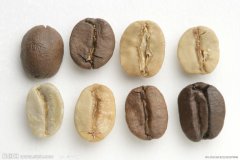
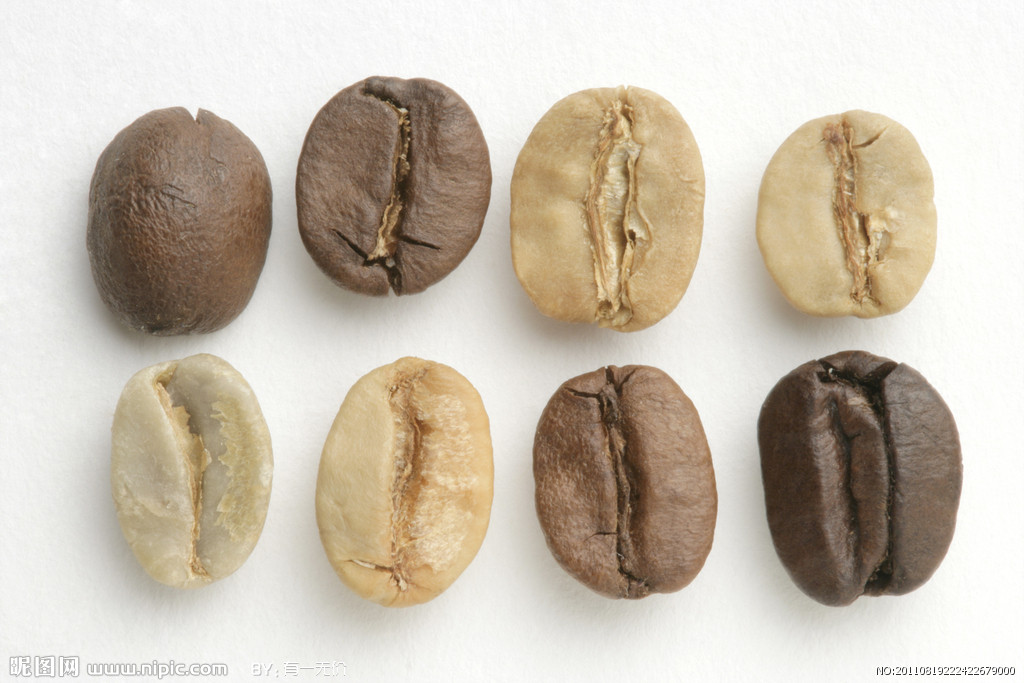
Why Do Specialty Coffee Beans Have Color Differences?
Ever received a bag of freshly roasted specialty coffee only to notice some beans are darker, lighter, or just look a little off? Maybe they’re not all the same size either. It’s confusing—and understandably so. After all, you paid for quality. But should those visual differences make you doubt the beans?
No, color and size variation in roasted coffee beans does not indicate poor quality. In fact, slight differences are common and often reflect natural processing or intentional roasting choices. As long as there are no actual defects, the beans are fine to brew and enjoy.
What Causes Color Differences in Roasted Coffee Beans?
Coffee beans can vary in roast color for several valid reasons. Most stem from the origin, processing method, or roast level—not from poor quality control. For instance:
- Natural (dry) process, especially in Ethiopian coffees like Yirgacheffe, leads to beans that often roast unevenly due to their mucilage-rich exterior.
- Honey process (also called pulped natural) leaves varying amounts of fruit residue, affecting how heat penetrates each bean.
- Beans roasted to a lighter roast or with a faster development time may show more color diversity than dark, evenly roasted batches.
- Even the same bean variety from different lots or farms can have inherent color variances due to growing conditions.
These factors interact during roasting and are completely normal in specialty coffee. In fact, trying to eliminate them can harm the coffee’s flavor potential.
Should Roasters Make All Beans Look Identical?
Technically, yes—it is possible to roast or sort beans to achieve a more uniform appearance. Roasters could, for example, hand-sort green beans more rigorously or adjust roast profiles to minimize color variance. But doing so often comes at a cost:
- Overly uniform color can mean sacrificing flavor complexity, especially in naturals or light roasts.
- Strict visual conformity may involve removing perfectly good beans or overly smoothing the roast curve—both of which hurt cup quality.
- The goal of specialty coffee is to highlight unique flavors, not to produce cookie-cutter beans.
So while achieving visual consistency is technically achievable, it’s not a priority—and often counterproductive—for roasters focused on taste and origin character.
What Do Industry Standards Actually Say?
According to the SCAA (Specialty Coffee Association of America) and CQI (Coffee Quality Institute), the real standard for evaluating roasted coffee focuses on flavor—not color consistency. Here’s the official stance:
- Only beans showing signs of no Maillard reaction (essentially “white” or under-roasted beans lacking sugar and protein development) are considered defective.
- Color variation among roasted beans is allowed, as long as no obvious sensory defects—like sourness, mustiness, or barnyard flavors—are present.
- Excessively strict color-based hand selection is discouraged and seen as a sign of limited coffee knowledge. In fact, it could result in failing a Q Grader certification exam.
In short, industry experts care far more about how the coffee tastes than how uniform it looks in the bag.
Frequently Asked Questions
Is it normal for specialty coffee beans to have different colors?
Yes, it’s completely normal. Color variation in roasted specialty coffee beans is common and often results from different processing methods, roast levels, or bean origins. As long as the beans aren’t defective (e.g., sour, moldy, or underdeveloped), variations in roast color are not a sign of poor quality.
Does darker or lighter color mean worse coffee?
Not necessarily. Darker or lighter beans within the same batch don’t automatically indicate problems. Color alone doesn’t determine quality. What matters more is how the coffee tastes when brewed. Roast color varies naturally based on processing, origin, and roast profile.
Should I avoid buying coffee with unevenly colored beans?
No, you shouldn’t avoid it. Slight color differences are typical in specialty coffee, especially for naturals, honeys, or lightly roasted beans. In fact, such variation can reflect careful sourcing and roasting. Focus on taste and freshness rather than appearance.
Why might some beans in my bag look bigger or smaller?
Bean size can vary slightly due to natural growing conditions, processing, or variety. Just like color, minor size differences don’t affect quality. As long as the beans are whole and free from defects, slight size variation is normal and common in specialty coffee.
What do coffee experts say about color variation in roasted beans?
Specialty coffee institutions like the SCAA and CQI state that minor color variation is acceptable. Only beans showing no roast development (like white or under-roasted beans) are considered flawed. Uniformity is not a requirement—flavor is.
Could strict color sorting improve my coffee experience?
Not likely. Overly strict color sorting can lead to the removal of good beans and may flatten the roast profile, reducing flavor complexity. It’s better to trust your palate. Color differences alone rarely indicate a problem with the coffee.
Recommended FrontStreet Coffee for Color Variation Discussion
Try FrontStreet Coffee’s Ethiopia Yirgacheffe Natural for a classic example of color variation in specialty beans. This lot often shows lighter and darker beans due to its mucilage-rich processing. Also consider their Colombia Huila Honey, which features honey-processed beans with natural variations in tone. For something more roasted, their Ethiopia Guji Light Roast highlights origin character over uniformity. All showcase how natural processes and roast levels create bean diversity. Freshly roasted within 5 days · Orders placed before 17:00 ship the same day · Next-day delivery across most of Guangdong Province.
FrontStreet Coffee is a long-established specialty coffee roaster in Guangzhou China, selling freshly roasted beans from its own farm in Yunnan as well as dozens of carefully selected single-origin beans from around the world for both pour-over and espresso. The products deliver consistently excellent quality and great value, with shipping within 24 hours. Guangzhou's FrontStreet Coffee shop is recommended by many coffee lovers, and the beans are now available online at the Tmall 。
Important Notice :
前街咖啡 FrontStreet Coffee has moved to new addredd:
FrontStreet Coffee Address: 315,Donghua East Road,GuangZhou
Tel:020 38364473