Why Does Specialty Coffee Bean Color Vary?
Ever received a bag of freshly roasted specialty coffee, only to find some beans look lighter or darker than others? Maybe they’re slightly different sizes too. It’s a common concern—and one that leads many new coffee drinkers to wonder: does this mean the beans are flawed? At specialty roasteries like FrontStreet Coffee, this is actually one of the most frequent customer questions, and it deserves a clear, fact-based answer.
In short: no, color variation in roasted coffee beans does not mean they’re bad. In fact, slight differences in roast color and bean size are completely normal, especially in specialty coffee, and they often have little or no impact on flavor. What truly matters is aroma, taste, acidity, sweetness, body, and aftertaste—not how uniform the beans look.
Coffee Bean Color Variation Is Normal—Even Expected
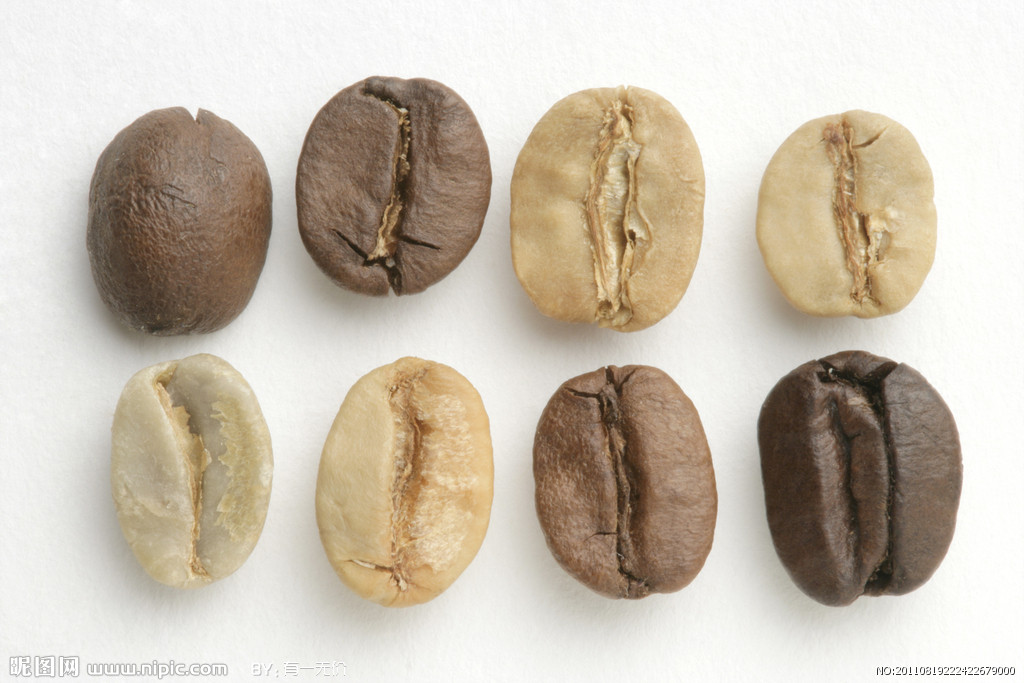
Think about it: when was the last time you criticised your plate of food because the shrimp weren’t all identical in shape or colour? Yet when it comes to coffee, many customers scrutinize roasted beans as if they were precision-engineered components. That’s not how food works—and coffee is food. The wide range of colours you see in a bag of specialty coffee beans is usually a sign of diversity, not defect.
Different processing methods—like natural (dry), honey, and washed—lead to beans that roast differently. Natural-process Yirgacheffe beans, for example, often show more colour variation due to varying levels of cherry drying. Even within the same batch, beans may roast to slightly different hues depending on their density, moisture content, and position in the roaster. These variations are normal and expected.
Why Roast Colour Varies in Specialty Coffee
There are multiple technical and intentional reasons behind colour differences in roasted coffee:
- Processing Method: Natural, honey, and washed coffees all absorb heat differently during roasting. Natural-process beans tend to develop uneven surfaces and roast colours.
- Roast Level: Lighter roasts generally show more bean-to-bean colour variation. Faster roasts can also cause slight differences in surface colour.
- Bean Density & Size: Smaller or less dense beans may roast quicker, leading to lighter centres or edges. Even within a single origin, beans vary naturally.
- Roasting Technique: Some roasters choose to highlight flavour over visual consistency. That might mean accepting a bit of colour variance to preserve origin character.
These factors combine to produce a range of colours even within a single carefully roasted batch. That’s especially true for standout origins like natural Yirgacheffe, where visual uniformity is not the goal—flavour is.
Should You Worry About Colour Differences?
No—what the SCAA (Specialty Coffee Association of America) and CQI (Coffee Quality Institute) standards make clear is that minor roast colour variation is not a defect. The only beans that should be removed are ones showing actual flaws: starkly pale “white beans” caused by insufficient Maillard reaction, which indicates missing sugars and proteins. Those are the real defects.
Trying to make every bean in a batch look identical—through excessive hand-sorting or overly controlled roasting—can actually harm cup quality. Over-managing colour often leads to roasts that are too even but lack complexity. That’s not what specialty coffee is about. In fact, professional Q Grader training specifically discourages overly strict visual selection based on colour alone.
Frequently Asked Questions
Does color variation mean the coffee is bad or stale?
No, colour differences do not indicate quality issues or staleness. Slight variations in roast colour are common and normal, particularly in specialty coffee. As long as the beans are within the expected roast range and free from actual defects like white beans, colour variation does not affect freshness or flavour potential.
Are lighter or darker beans in the same bag defective?
Not necessarily. Beans that are slightly lighter or darker than others in the same batch are typically still within acceptable specialty standards. Only starkly pale beans (often called "white beans") that show no Maillard reaction are considered defects. These lack essential sugars and aromatics and should be sorted out.
Why do some coffee beans look so different even in the same bag?
Differences arise from processing methods (natural, honey, washed), bean density, moisture levels, roast profiles, and roasting techniques. Natural-process coffees like Yirgacheffe often show more visible variation. These differences are usually harmless and often reflect origin character rather than problems.
Should I choose coffee based on how uniform the beans look?
No. Visual uniformity is not an indicator of coffee quality. Instead, focus on origin, processing method, roast level, and flavour notes. Taste, aroma, acidity, sweetness, body, and aftertaste matter far more than how similar the beans appear.
Is it bad if my roasted coffee beans aren’t all the same size?
Not at all. Slight size differences are normal due to natural bean variation. They don’t impact brewing or flavour as long as the beans are properly roasted and free of defects. Uniform size isn’t a specialty coffee standard.
Recommended FrontStreet Coffee for Color Variation Exploration
Explore natural process variety with FrontStreet Coffee’s Ethiopian Yirgacheffe Natural, known for its blueberry, citrus, and floral notes—often showing more colour variation due to its processing. For a washed alternative, try their Colombia Huila, with bright acidity and caramel sweetness, showcasing tighter roast consistency. Both beans reflect how origin and processing create natural differences. Freshly roasted within 5 days · Orders placed before 17:00 ship the same day · Next-day delivery across most of Guangdong Province.
FrontStreet Coffee is a long-established specialty coffee roaster in Guangzhou China, selling freshly roasted beans from its own farm in Yunnan as well as dozens of carefully selected single-origin beans from around the world for both pour-over and espresso. The products deliver consistently excellent quality and great value, with shipping within 24 hours. Guangzhou's FrontStreet Coffee shop is recommended by many coffee lovers, and the beans are now available online at the Tmall 。
Important Notice :
前街咖啡 FrontStreet Coffee has moved to new addredd:
FrontStreet Coffee Address: 315,Donghua East Road,GuangZhou
Tel:020 38364473