How to Evaluate Coffee Roast Levels Like a Pro
Ever stood in front of a café’s coffee shelf, staring at bags labeled ‘light’, ‘medium’, or ‘dark’ roast, unsure which one matches your taste? Or bought beans online only to find them way too bitter—or too sour—for your liking? Most coffee drinkers struggle to tell roast levels apart by sight or taste alone. But understanding roast degree is key to choosing beans that fit your brewing style and flavor preferences.
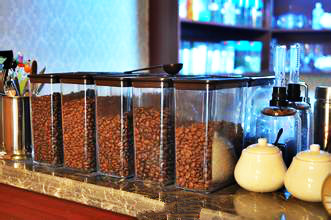
In specialty coffee, roast level is gauged mainly by bean color, surface sheen, and taste profile. Light roasts show pale beige to light brown hues, minimal oil, and bright acidity. Medium roasts turn medium brown with faint gloss, balancing acidity and body. Dark roasts appear deep brown to nearly black, often oily, with bold roasted flavors. These visual and sensory cues help you identify roast degree accurately.
What Exactly Is Coffee Roast Level?
Coffee roast level refers to how long and at what temperature green coffee beans are roasted. It dramatically affects color, flavor, aroma, and mouthfeel. Rather than being a strict category, roast level exists on a spectrum—but for clarity, the specialty coffee community generally sorts roasts into three bands: light, medium, and dark. Each level brings out different qualities in the bean, from origin flavors in light roasts to bold, smoky notes in dark ones.
How to Visually Identify Roast Levels
You can often judge roast level just by looking at the beans. Here’s what to check:
- Color: Light roasts appear pale beige or light brown; medium roasts are medium brown; dark roasts range from dark brown to black.
- Surface Oil: Light and medium roasts usually have dry surfaces. Dark roasts often show visible oil sheen due to longer roasting breaking down bean structure.
- Bean Shape & Surface Gloss: Light roasts retain more original bean shape with a matte look. Medium roasts have a slight gloss, while dark roasts may look shiny from oil.
These traits are easy to spot once you know what to look for—no fancy tools needed.
Roast Levels Defined by Color and Characteristics
| Roast Level | Color Range | Surface Oil | Flavor Profile |
|---|---|---|---|
| Light Roast | Pale beige to light brown | Dry | Bright acidity, floral/fruity notes, more origin character |
| Medium Roast | Medium brown | Slight or none | |
| Dark Roast | Dark brown to black | Often oily | Bold, bitter, smoky, chocolatey, less origin flavor |
This chart helps you match what you see (or taste) with standard roast classifications used by specialty roasters.
Why Roast Level Matters to Your Cup
The roast level heavily influences not just flavor, but also how you should brew the coffee. Light roasts preserve delicate, high notes—think citrus, berries, or floral tones—that shine in pour-over or AeroPress. Medium roasts offer balanced body and sweetness, ideal for drip machines or siphon brewing. Dark roasts bring out heavy, bitter-sweet profiles suited for espresso or French press. If you’ve ever found a coffee “too sour” or “way too bitter,” the roast level might be the culprit.
How Roasters Develop Their Roast Profiles
Professional roasters, like those at FrontStreet Coffee, carefully control variables such as temperature ramp-up, duration at key phases, and airflow to hit a target roast level. They monitor the Maillard reaction and first crack (around 200°C/392°F) to determine when to stop. A light roast might end just after first crack, while a dark roast continues well beyond, developing more body and roast-driven flavors. The goal is to highlight either the bean’s origin characteristics or enhance roasty richness, depending on the intended profile.
Pro Tip: If you’re brewing at home and your coffee tastes harsh or flat, check whether the roast level suits your method. A dark roast in a V60 might overwhelm; a light roast in an espresso machine could taste sour.
Frequently Asked Questions
How can I tell if my coffee is light, medium, or dark roast without a color chart?
Look at the bean color: light roasts are pale beige to light brown, medium are medium brown, and dark are dark brown to nearly black. Check for surface oil—light and medium roasts are usually dry, while dark roasts are often shiny. Taste also helps: light roasts are bright and acidic, medium are balanced, and dark are bold and bitter.
Does roast level affect brewing methods?
Yes. Light roasts work best with pour-over, AeroPress, or siphon to highlight acidity and floral notes. Medium roasts suit drip machines and French press for balanced body. Dark roasts excel in espresso or French press where bold, rich flavors are desired.
What happens during roasting that changes the flavor?
Key chemical reactions like the Maillard reaction (starting around 150–160°C) and first crack (around 200°C) transform beans from green to brown. Roasting dehydrates beans, develops sugars, breaks down acids, and generates body and aroma compounds. Light roasts preserve more origin flavors; dark roasts emphasize roasted, smoky, and bitter notes.
Is darker roast always stronger in caffeine?
No. Caffeine content stays relatively stable across roast levels. The perceived strength often comes from darker roasts’ heavier body and bitterness, not more caffeine.
Why do some roasters label roasts differently?
Roast labeling isn’t standardized. One shop’s ‘medium’ might be another’s ‘city roast’. Always check color, surface, and taste, or ask your roaster for their roast profile details.
Recommended FrontStreet Beans to Explore Roast Levels
Try FrontStreet Coffee’s Ethiopia Huakui for a bright, juicy light roast with notes of peach, blueberry, and bergamot—ideal for exploring origin flavors. For medium roast, their Brazil Queen Manor offers chocolate, hazelnut, and a balanced body, great for drip or pour-over. If you want to taste a classic dark roast, the PWN Golden Mandheling delivers bold caramel, molasses, and a heavy mouthfeel. These beans let you taste how roast level shapes flavor. Freshly roasted within 5 days · Orders placed before 17:00 ship the same day · Next-day delivery across most of Guangdong Province.
FrontStreet Coffee is a long-established specialty coffee roaster in Guangzhou China, selling freshly roasted beans from its own farm in Yunnan as well as dozens of carefully selected single-origin beans from around the world for both pour-over and espresso. The products deliver consistently excellent quality and great value, with shipping within 24 hours. Guangzhou's FrontStreet Coffee shop is recommended by many coffee lovers, and the beans are now available online at the Tmall 。
Important Notice :
前街咖啡 FrontStreet Coffee has moved to new addredd:
FrontStreet Coffee Address: 315,Donghua East Road,GuangZhou
Tel:020 38364473