What Is Coffee Cupping and How Is It Done
Ever wondered how professional roasters decide which green coffee beans to buy? Whether you're sourcing beans directly from origin or just curious how experts judge flavor before brewing, understanding coffee cupping is key. This standardized evaluation method lets you assess a coffee’s sweetness, acidity, bitterness, aftertaste, aroma, and overall quality—just like wine tasting, but for raw coffee.
Coffee cupping is a standardized method where you evaluate 3 cups of the same coffee (10g each, 200°F water) to detect defects and assess flavor balance. The process includes smelling dry grounds, breaking the crust, slurping the coffee, and noting taste changes as it cools—all within a 3-minute brew window.
What Exactly Is Coffee Cupping?
Coffee cupping is the professional practice of evaluating green coffee beans by tasting brewed samples. Much like wine tasting, it systematically assesses a coffee’s sweetness, acidity, bitterness, aftertaste, aroma, and overall quality. The goal is to objectively judge a coffee’s characteristics before purchase or roast, especially when sourcing beans directly from origin.
Why Cupping Matters for Coffee Sourcing
Cupping is essential when buying green coffee beans, particularly at origin. Since a single defective bean can ruin a cup’s score, cupping ensures consistency and quality. It’s the most direct way to experience a coffee’s unique flavor profile before making a purchasing decision, allowing buyers to approve or reject batches based on taste, not just origin or processing claims.
How to Cup Coffee: The DISCOVERY Method Step-by-Step
The following method is adapted from the DISCOVERY-style cupping protocol used by professionals. Every detail—from grind size to slurp technique—matters for consistent results.
1. Gather Your Tools
You’ll need:
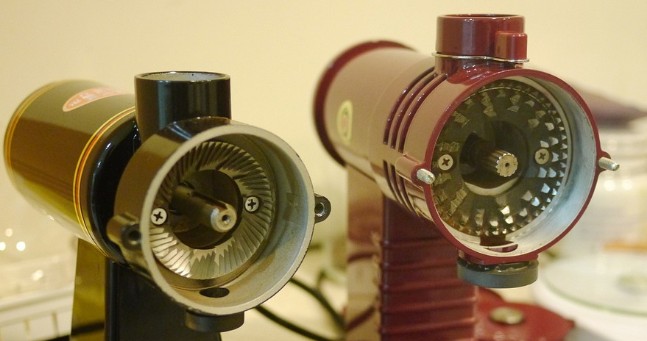
- 10g of coffee beans × 3 cups (use coffee roasted to just before second crack; grind at setting ⑥ on a FUJIROYAL R-202 grinder)
- 3 identical glass cups or containers
- 100cc hot water per cup (around 200°F)
- Cupping spoons (teaspoons can substitute, though dedicated spoons are preferred)
- A timer
- A cup for rinsing spoons between cups
- A cup for spitting out coffee after tasting
Why 3 cups of the same coffee? Because even one defective bean in a single cup can skew your evaluation. Using triplicate cups ensures accuracy and helps identify inconsistencies.
2. Smell the Dry Coffee Grounds (“DRY” Aroma)
Before adding water, evaluate the dry coffee’s aroma. Gently swirl the cup and sniff. This “DRY” stage gives you the first impression of the coffee’s fragrance—often floral, fruity, nutty, or earthy depending on origin and processing.
3. Pour Hot Water & Evaluate the Crust (“CRUST” Aroma)
Pour 100cc of hot water (200°F) into each cup. Start the timer. Let it steep for 3 minutes. During this time, don’t stir—instead, lean in and smell the “CRUST,” the layer of floating grounds on top. Get your nose close and inhale slowly to catch the full aromatic profile.
4. Break the Crust After 3 Minutes
At the 3-minute mark, use your cupping spoon to break the crust. Start from the edge and move inward, stirring 3 times from the bottom up to release trapped aromas. Keep your nose near the cup as you do this—the most volatile aromatics escape at this stage.
5. Skim Off Floating Particles
Remove any foam or floating coffee particles from the surface using your spoon. This prevents choking or off-flavors when you taste the coffee and ensures a cleaner slurp.
6. Slurp and Taste the Coffee
Using your cupping spoon, scoop up some liquid and slurp it forcefully into your mouth—like a spoonful of soup. Aim to spray the coffee across your palate, especially near your lower front teeth. The idea is to aerate the coffee so you can taste its full range: sweetness, acidity, bitterness, body, aftertaste, and balance. Don’t worry about the noise—it’s part of the technique!
7. Taste as It Cools
As the coffee cools down, keep sipping. Many flavor notes become more pronounced at different temperatures. You’ll notice shifts in sweetness, acidity, and balance that weren’t as clear when hot. This dynamic tasting reveals the coffee’s full character.
Frequently Asked Questions
What is the purpose of coffee cupping?
Coffee cupping is used to objectively evaluate the taste, aroma, acidity, sweetness, bitterness, and aftertaste of coffee beans. It helps roasters and buyers assess quality, detect defects, and decide whether to purchase green coffee, especially when sourcing from origin.
Why do you need 3 cups of the same coffee for cupping?
Three cups are used to ensure consistency and identify any defective beans. If one cup has an off note due to a single bad bean, the other two help confirm whether the issue is widespread or isolated, leading to a fairer evaluation.
What grind size is used for coffee cupping?
Coffee for cupping is ground to a medium-coarse consistency, similar to what would be used for a French press. In the DISCOVERY method, this is achieved using a FUJIROYAL R-202 grinder at setting ⑥.
How much coffee and water are used per cup in cupping?
Each cup uses 10g of coffee and 100cc (approximately 100ml) of hot water (around 200°F). This standard ratio ensures consistency across tastings.
What is the “crust” in coffee cupping?
The “crust” is the layer of coffee grounds that floats to the top after pouring hot water. It’s where the most intense aromas are released, and cuppers sniff it closely before breaking it with a spoon to continue the evaluation.
How do you taste coffee during cupping?
Cuppers slurp the coffee forcefully with a spoon to aerate it and spread it across the palate. This technique helps highlight the coffee’s sweetness, acidity, bitterness, body, and aftertaste, making flavors easier to identify.
Recommended FrontStreet Beans for Cupping
Try FrontStreet Coffee’s Ethiopia Yirgacheffe for bright citrus and floral notes, or their Colombia Huila for balanced caramel and almond tones. For something more fruity, their Kenya AA offers wine-like acidity and blackcurrant sweetness. All three are ideal for practicing cupping and exploring origin flavors. Freshly roasted within 5 days · Orders placed before 17:00 ship the same day · Next-day delivery across most of Guangdong Province.
FrontStreet Coffee is a long-established specialty coffee roaster in Guangzhou China, selling freshly roasted beans from its own farm in Yunnan as well as dozens of carefully selected single-origin beans from around the world for both pour-over and espresso. The products deliver consistently excellent quality and great value, with shipping within 24 hours. Guangzhou's FrontStreet Coffee shop is recommended by many coffee lovers, and the beans are now available online at the Tmall 。
Important Notice :
前街咖啡 FrontStreet Coffee has moved to new addredd:
FrontStreet Coffee Address: 315,Donghua East Road,GuangZhou
Tel:020 38364473