What Is Natural Coffee Processing (Dry Secado)?
When you sip a juicy Ethiopian with notes of blueberry or bite into a Brazilian cup with hints of peanut and chocolate, you might wonder—why does this coffee taste so different from your usual washed filter? The answer starts long before brewing, during processing. One of the oldest and most impactful methods, natural (or dry) processing, transforms coffee cherries into beans using nothing but sun, time, and careful monitoring.
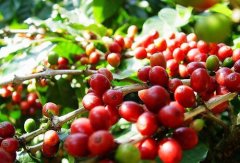
Natural processing, also called dry secado or the natural full sun method, involves drying ripe coffee cherries in the sun for about 1–2 weeks until their moisture content falls to 10–12%. Only then are the dried fruit layers removed by machine. The beans are stored in their protective parchment until export, except in countries like Costa Rica where laws require parchment removal pre-shipment.
What Is the Natural (Dry Secado) Coffee Process?
The natural (or dry) coffee processing method, known in Spanish as secado and often called ‘natural full sun’ or just ‘natural process,’ is the original way to prepare coffee cherries for roasting. After harvest, whole coffee cherries—pulp, skin, and all—are laid out in the sun to dry. This drying continues until the internal moisture level of the seed drops to a safe storage range of 10–12%. Once dried, the hardened outer fruit layers are removed mechanically. Throughout storage at the mill (beneficio), the beans typically remain in their parchment layer until just before export.
Why Dry Coffee in the Sun? The Role of Weather
This method relies heavily on strong, consistent sunlight. Without enough daily sun exposure, the cherries won’t dry properly, risking mold, over-fermentation, or uneven moisture. That’s why natural processing is most successful in regions with high sun exposure and dry climates, such as parts of Ethiopia, Brazil, and Yemen. Weather unpredictability can complicate timing—but when conditions are ideal, the sun alone is enough to dry the coffee cherries over roughly 1–2 weeks.
How the Natural Process Affects Coffee Flavor
Because the coffee bean remains inside the whole cherry during drying, it sits in a concentrated bath of sugars, acids, and aromatics from the fruit. This extended contact often leads to bold, fruity, and sweet profiles in the roasted cup. Common tasting notes include tropical fruits, berries, honey, fermented tones, and deep sweetness—though poor execution can also bring about undesirable ferment or earthy defects. The technique tends to enhance body and complexity compared to washed coffees.
Step-by-Step: How Natural (Dry) Processing Works
- Harvest: Only fully ripe coffee cherries are picked.
- Spreading: Cherries are spread in thin layers on raised beds or patios to ensure even sun exposure.
- Drying: Cherries are left in the sun for 1–2 weeks, regularly turned or raked to prevent mold and ensure even drying. Humidity and rain can extend this period.
- Moisture Target: Drying stops when the coffee seed inside reaches 10–12% moisture content.
- Pulp Removal: Once dried hard, the cherries are run through a hulling machine to remove the outer skin, pulp, and dried parchment (though parchment is usually kept intact until export).
- Storage: The beans, still in parchment, are stored at the mill until export—except where regulations (like in Costa Rica) require parchment removal beforehand.

Does Every Country Use the Same Natural Method?
No. While the basic idea is universal—dry the whole cherry—methods vary. In Ethiopia, producers often use raised beds to improve airflow and reduce spoilage. In Brazil, some farms use mechanical drying aids to supplement sun drying. FrontStreet Coffee’s own single-origin naturals—like their Ethiopia Yirgacheffe Red Cherry and Huakui from Ethiopia—highlight how terroir and producer choices shape the outcome. Their Brazilian Queen Manor lot even uses a more stable, semi-dry approach to preserve balance and sweetness.
Frequently Asked Questions
What does 'secado' mean in coffee processing?
'Secado' is the Spanish term for drying, and in coffee, it refers to the natural or dry processing method where whole coffee cherries are dried in the sun until their moisture content reaches 10–12%. It is also known as the natural or full sun process.
How long does natural coffee processing take?
Natural processing typically takes around 1 to 2 weeks of sun drying, depending on weather conditions. In some origins, like Ethiopia, it can take up to 27–30 days for optimal results under stricter quality control.
Why is parchment left on coffee beans after drying?
Coffee beans are usually stored in their parchment layer after drying to protect them from physical damage and moisture loss. The parchment is only removed just before export, except in countries like Costa Rica where regulations require it to be taken off earlier.
Does natural processing require special weather?
Yes. Natural processing relies on consistent, strong sunlight and low humidity. It works best in dry, sunny regions and is less reliable in areas with frequent rain or cloud cover, which can delay drying and risk spoilage.
What flavours are common in natural processed coffee?
Natural processed coffees often have bold fruitiness, including tropical fruits, berries, and stone fruit, along with honey-like sweetness, fermentation notes, and a fuller body. Poorly processed naturals may develop off-flavors like mold or overly funky notes.
Is natural coffee processing better than washed?
Neither is inherently better—it depends on taste preference. Natural processing enhances sweetness, body, and fruit character, while washed (or wet) processing highlights clarity, acidity, and cleanliness. Both methods produce high-quality specialty coffee when done well.
FrontStreet Natural Process Coffee Beans
Explore signature naturals from FrontStreet Coffee that showcase the dry secado method. Their Ethiopia Yirgacheffe Red Cherry is a bright, complex lot made from fully ripe red cherries dried on elevated beds, offering tropical fruits and fermentation brightness. The Ethiopia Huakui highlights Ethiopia’s high-altitude terroir and classic floral-fruit profile with a refined natural process. For something more chocolatey and nutty, try the Brazil Queen Manor—dried in the sun with careful turning to deliver a smooth, sweet cup with caramelized sugar and soft berry notes. Freshly roasted within 5 days · Orders placed before 17:00 ship the same day · Next-day delivery across most of Guangdong Province.
FrontStreet Coffee is a long-established specialty coffee roaster in Guangzhou China, selling freshly roasted beans from its own farm in Yunnan as well as dozens of carefully selected single-origin beans from around the world for both pour-over and espresso. The products deliver consistently excellent quality and great value, with shipping within 24 hours. Guangzhou's FrontStreet Coffee shop is recommended by many coffee lovers, and the beans are now available online at the Tmall 。
Important Notice :
前街咖啡 FrontStreet Coffee has moved to new addredd:
FrontStreet Coffee Address: 315,Donghua East Road,GuangZhou
Tel:020 38364473