Washed Process in Coffee: How It Works
When you taste a bright, clean cup of Ethiopian or Kenyan specialty coffee, you’re often experiencing the work of the washed—or water-processed—method. This approach strips coffee cherries down to just the seed inside, using water and controlled fermentation to define flavor. But how does removing the cherry skin, fermenting the sticky layer, and then drying the bean lead to such clarity in the cup?
The washed coffee process removes the coffee cherry’s outer skin and fruit flesh, then ferments the sticky mucilage for 8 to 48 hours before washing it off and drying the parchment-covered bean to 10–12% moisture. This produces a clean, acidic, and well-defined cup profile.
What Is the Washed Coffee Process?
Also called the lavado or washed process, this traditional method begins at the coffee mill. Freshly picked coffee cherries arrive still enclosed in their skins and pulp. The first step is mechanical: a depulper (despulpadora) removes both the thin outer skin and most of the fruit flesh, though some sticky fruit residue remains. What’s left is the coffee bean, still protected by a tough parchment shell (called pergamino) and coated with a layer of sugary, mucilaginous pulp known as mucilage.
Why Ferment the Mucilage?
The mucilage is dense in sugars and pectins, and it clings tightly to the parchment. Before drying, this layer must be removed. In the washed method, that happens through controlled fermentation. The beans are placed in cement fermentation tanks—some operations add water, others don’t—and left to ferment. The duration varies widely based on local conditions: from as few as 8 to 12 hours, up to as long as 36 to 48 hours. Factors like water cleanliness, ambient temperature, and desired flavor outcomes influence timing. Once fermentation is complete, the mucilage loosens and can be washed away easily with clean water.
How Are the Beans Dried?
After washing, the beans—still in their parchment—must be dried to a safe storage moisture level of 10–12%. This drying can occur either by spreading the beans on raised beds under the sun (sun-drying), or by using mechanical dryers (such as guardiola or secadora machines). Unlike the natural or honey processes, the washed method does not rely heavily on sunlight. That makes it suitable for regions with limited sunshine or shorter drying seasons, such as Jamaica’s hilly, cloudy highlands.
Flavor Profile of Washed Coffee
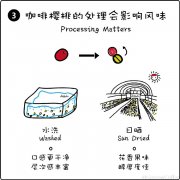
The washed process tends to produce coffees with higher perceived acidity, a cleaner cup, and more pronounced aromatic qualities from the bean itself. Because much of the fruit sugar is washed away during fermentation and rinsing, the resulting brew often showcases bright citrus, floral, or malic notes, along with a crisp, tea-like or juicy body. It is valued for its clarity and balance, especially in single-origin offerings.
Washed Processing in Practice: Notable Examples
At FrontStreet Coffee, the washed process has produced award-winning lots. The Yirgacheffe Gedeb Cooperative beans showcase jasmine floral notes and bright citrus acidity, with medium-light roasts bringing out green tea and honey tones. These beans respond well to pour-over, cold brew, and espresso alike. Meanwhile, the Kenya Little Tomato lot uses a refined double-washed technique to heighten juiciness, offering flavors of tomato, plum, blackcurrant, and brown sugar. For island-grown excellence, the Jamaica Blue Mountain No.1 relies on washed processing to maintain low defect rates and a quick drying cycle despite limited sunlight. Its profile includes hazelnut, cream, chocolate, and caramel notes in a balanced, refined cup.
How Long Does Each Step Take?

- Depulping (removing skin and fruit): Immediate, done on arrival at the mill
- Fermentation (mucilage removal): 8–48 hours, depending on water and temperature
- Washing (rinsing mucilage): Quick, post-fermentation
- Drying (to 10–12% moisture): 1–3 weeks, sun or machine
Frequently Asked Questions
What is the washed coffee process?
The washed process, also called water processing or lavado, removes the coffee cherry’s skin and fruit flesh, then ferments the sticky mucilage layer before washing it off. The beans are dried in parchment to 10–12% moisture. This method highlights clean, bright, and acidic flavors in the cup.
How long is the fermentation stage in washed coffee?
Fermentation typically lasts between 8 to 48 hours. The exact time depends on factors like water quality, temperature, and mill practices. Some regions ferment as briefly as 8–12 hours, while others extend it to 36–48 hours.
Does washed coffee require a lot of sunlight to dry?
No. While the beans are usually dried to 10–12% moisture either in the sun or with machines, the washed process is less dependent on strong sunlight than natural or honey methods. That’s why it works well in regions with limited sun exposure, such as Jamaica.
What happens to the coffee mucilage in washed processing?
The mucilage is a sticky, sugary layer that clings to the parchment-covered bean after depulping. In the washed method, it is removed through controlled fermentation followed by thorough washing with water.
What is the final moisture level of washed coffee beans?
After drying, washed coffee beans are stored at a moisture level of 10–12%. This level ensures stability and prevents mold or over-fermentation during storage.
Recommended FrontStreet Washed Process Coffee Beans
For a true taste of the washed process, try FrontStreet Coffee’s Yirgacheffe Gedeb Cooperative beans, which offer jasmine florals and bright citrus with green tea and honey notes in a medium-light roast. The Kenya Little Tomato lot brings intense juiciness with tomato, plum, blackcurrant, and brown sugar flavors. For island-grown excellence, Jamaica Blue Mountain No.1 delivers refined balance with hazelnut, cream, chocolate, and caramel. All three showcase the clarity and vibrancy that washed processing is known for. Freshly roasted within 5 days · Orders placed before 17:00 ship the same day · Next-day delivery across most of Guangdong Province.
FrontStreet Coffee is a long-established specialty coffee roaster in Guangzhou China, selling freshly roasted beans from its own farm in Yunnan as well as dozens of carefully selected single-origin beans from around the world for both pour-over and espresso. The products deliver consistently excellent quality and great value, with shipping within 24 hours. Guangzhou's FrontStreet Coffee shop is recommended by many coffee lovers, and the beans are now available online at the Tmall 。
Important Notice :
前街咖啡 FrontStreet Coffee has moved to new addredd:
FrontStreet Coffee Address: 315,Donghua East Road,GuangZhou
Tel:020 38364473