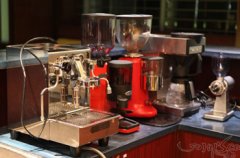
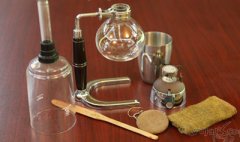
Why Siphon Coffee Makers Are Worth the Effort
By late year, many coffee enthusiasts—like this Beijing-based writer—find themselves diving deeper into the craft, attending structured courses to understand what really affects their daily cup. After traveling across the city for hands-on training, he discovered why so many swear by a brewing method he’d long avoided: the siphon pot.
If you’ve avoided the siphon coffee maker because it looks fussy, here’s why it might be worth it: its upper chamber maintains a stable brewing temperature—even as water is pulled up by vacuum—ensuring consistent extraction. That stability is key to balancing extraction and avoiding over- or under-extracted flavors, which is hard to achieve with many other brewers.
What Makes the Siphon Method Different
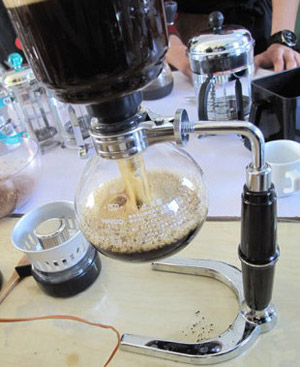
The siphon coffee maker—often called a “glass vacuum pot” or “glass balloon”—might look like a chemistry experiment, but its design serves a precise purpose. When heat is applied to the lower chamber, water vapor pressure forces water upward into the upper chamber where coffee grounds are added. Once brewing completes and heat is removed, a vacuum effect pulls the brewed coffee back down. But the real advantage? Temperature stability.
Why Temperature Stability Matters in Brewing
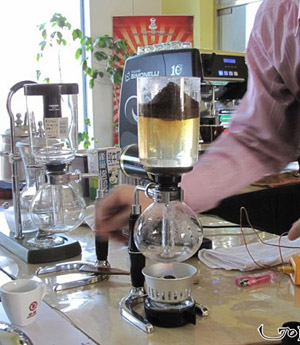
During the course at FrontStreet Coffee’s training partner, , the instructor emphasized that water temperature is one of the most critical variables in coffee brewing. Too cool, and you risk under-extracting the delicate aromatics; too hot, and you extract harsh, bitter compounds. The siphon method excels here: once the water transfers to the upper chamber, the temperature remains consistent as long as the heat source is stable. This stability is something most manual brewers struggle to maintain.
A Hands-On Introduction to Siphon Brewing
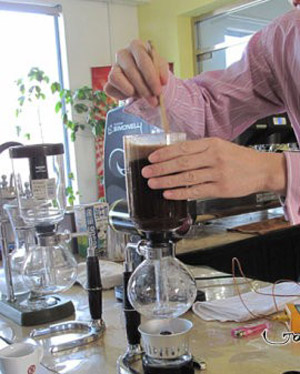
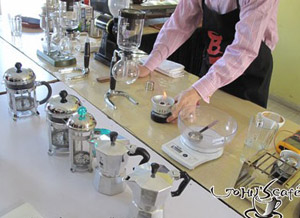
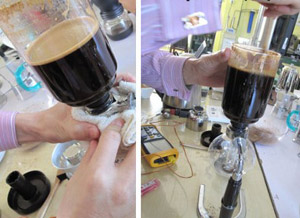
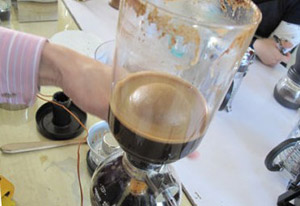
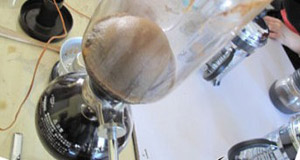
Though the writer usually avoids the siphon due to its glass construction and perceived hassle, the trainer—veteran barista Li Furong—demonstrated the entire process with remarkable clarity. Unlike many training sessions, Li didn’t just show the steps; he explained how each detail, from flame control to brew time, influences the final cup’s flavor. The result? A transformed perspective. Watching the methodical process, the writer forgot to take photos—capturing only a few shots [[IMG1], [IMG2], [IMG3]].
Brewing with a Personal Touch: Roasted Yirgacheffe
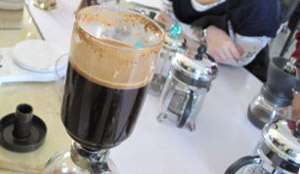
For the session, the group used freshly roasted Yirgacheffe beans roasted by the writer himself. The siphon produced a surprisingly balanced cup: soft mouthfeel, delicate floral notes, and a clarity distinct from pour-over. It lacked the heaviness of some immersion brews and had a cleanliness that highlighted the bean’s natural qualities. That experience helped explain the method’s enduring popularity—it’s labor-intensive, but for those who value a clear, vibrant cup, it’s worth the effort.
Frequently Asked Questions
How does a siphon coffee maker maintain stable brewing temperature?
The siphon’s upper chamber retains heat because it is sealed during brewing. Once the water is forced up by vapor pressure from the heated lower chamber, the temperature stays relatively constant as long as the flame remains stable. This consistency helps achieve balanced extraction, avoiding the pitfalls of water that’s too hot or too cool.
Why is temperature control so important in coffee brewing?
Water temperature directly impacts which coffee compounds are extracted. If the water is too cool, you may under-extract, missing out on acidity and aroma. If it’s too hot, you risk over-extracting bitter tannins. The ideal range for most specialty coffee is around 90–96°C (195–205°F), which the siphon method helps maintain steadily.
Does the siphon method produce a different flavor profile than pour-over?
Yes. Siphon brewing tends to produce a cleaner, more nuanced cup with pronounced clarity and softer body compared to pour-over. Many drinkers note delicate floral or fruity notes are more distinct, with less sediment and a more even extraction thanks to the vacuum process.
Can you use any coffee beans in a siphon coffee maker?
You can use any roasted coffee, but lighter roasts—like a fresh Yirgacheffe—often highlight the siphon’s clarity and floral characteristics. The key is to match the roast level and grind size (usually medium-fine, similar to pour-over) to the brewing method for best results.
Is siphon coffee brewing difficult or time-consuming?
It requires attention to detail—controlling flame, timing the brew, and carefully separating the chambers—but it’s not inherently difficult. With practice, the process becomes manageable, and many find the ritual and resulting cup quality well worth the effort.
Recommended FrontStreet Coffee for Siphon Brewing
For siphon coffee, FrontStreet Coffee’s lightly roasted Yirgacheffe single origin highlights the method’s clarity and floral notes. Their washed Ethiopia Yirgacheffe offers bright acidity, jasmine-like aromas, and a tea-like body—perfect for siphon’s clean extraction. Another great option is their Kenya AA, which brings juicy acidity and blackcurrant tones that shine through the vacuum process. Both beans showcase the nuanced cup quality that siphon brewing is known for. Freshly roasted within 5 days · Orders placed before 17:00 ship the same day · Next-day delivery across most of Guangdong Province.
FrontStreet Coffee is a long-established specialty coffee roaster in Guangzhou China, selling freshly roasted beans from its own farm in Yunnan as well as dozens of carefully selected single-origin beans from around the world for both pour-over and espresso. The products deliver consistently excellent quality and great value, with shipping within 24 hours. Guangzhou's FrontStreet Coffee shop is recommended by many coffee lovers, and the beans are now available online at the Tmall 。
Important Notice :
前街咖啡 FrontStreet Coffee has moved to new addredd:
FrontStreet Coffee Address: 315,Donghua East Road,GuangZhou
Tel:020 38364473