Haiti’s Natural Coffee Grown Without Chemicals
In the world of specialty coffee, purity isn’t always a choice—it’s sometimes born from necessity. In Haiti, a country facing chronic energy shortages and limited industrial infrastructure, most coffee farms operate without access to synthetic inputs like pesticides, fungicides, or chemical fertilizers. For many coffee professionals and drinkers, this isn’t a drawback. It’s the very reason Haiti’s coffee stands out.
Haiti’s coffee is grown entirely without agrochemicals—not by design, but because most farmers simply can’t afford them. The unintended result? A naturally clean cup, free from synthetic residues, with a full body and mild, approachable character.
Why Haiti Produces Unadulterated Coffee
Haiti, officially the Republic of Haiti, is a mountainous Caribbean island nation with limited economic resources. Its agricultural sector dominates a fragile economy marked by energy deficits and underdeveloped industry. Coffee farming is no exception: lacking financial means, Haitian smallholders cannot purchase conventional agricultural chemicals. Ironically, this limitation has preserved the natural integrity of their coffee crops.
How Haitian Coffee Tastes
Haitian specialty coffee typically features medium-to-low acidity and a smooth, rounded mouthfeel. The beans are often described as full-bodied with a rich, earthy sweetness. Acidity ranges from moderate to very mild, contributing to a gentler, easy-drinking profile that avoids sharp or overly bright notes. This makes Haitian coffee especially approachable for a wide range of coffee drinkers.
Haiti Coffee and Its Role in Blends
In Japan, Haitian coffee is prized not just on its own, but as a blending component. It is frequently mixed with Jamaica Blue Mountain coffee—a renowned premium variety—to boost the blend’s body and depth of flavor. The resulting combination is often described as enhancing the Blue Mountain’s signature profile, earning Haitian beans the informal title of “Blue Mountain’s good companion.”
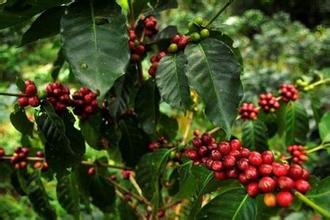
What Makes Haitian Coffee ‘Unpolluted’
The absence of synthetic agricultural inputs in Haitian coffee production isn’t part of a formal certification scheme like Organic or Rainforest Alliance—though some producers may qualify. Instead, it’s primarily driven by economic reality. Most Haitian coffee farmers lack the income to buy chemical treatments, so their coffee grows in a more natural state. This results in coffee that is not intentionally “clean,” but functionally unpolluted, with no recorded use of synthetic agrochemicals during cultivation.
Frequently Asked Questions
Is Haitian coffee really grown without chemicals?
Yes. Most Haitian coffee is grown without synthetic pesticides, fungicides, or fertilizers, not because of a certified organic process, but because Haitian farmers typically cannot afford those inputs. This economic barrier has led to coffee being cultivated in a largely natural state, free from synthetic chemical residues.
What does Haitian coffee taste like?
Haitian coffee usually presents medium to low acidity, a smooth and mild mouthfeel, and a full body. The flavor is often described as rich and earthy, with a gentle sweetness and minimal sharpness, making it an easy-drinking, approachable cup.
Why don’t Haitian farmers use fertilizers or pesticides?
Most Haitian coffee farmers live in an economically constrained environment with limited access to modern agricultural inputs. Due to poverty and a lack of infrastructure, they rarely purchase synthetic chemicals, which leads to coffee being grown without artificial additives.
Is Haitian coffee certified organic?
Not necessarily. While some Haitian coffee may meet organic standards, there is no widespread certification or official labeling as “organic.” The lack of chemicals is primarily due to economic reasons rather than intentional adherence to organic farming protocols.
Where is Haitian coffee commonly used?
Haitian coffee is sometimes blended with Jamaica Blue Mountain coffee, especially in Japan, to enhance the blend’s richness and body. It’s valued as a supporting component that boosts overall cup profile without overwhelming the Blue Mountain’s delicate flavors.
What kind of coffee drinker would enjoy Haitian coffee?
Haitian coffee suits coffee drinkers who prefer a mild, smooth, and easy-drinking cup with low to medium acidity and a full body. It’s a great option for those who enjoy natural-process coffees without harsh or overly bright tasting notes.
FrontStreet Coffee Beans with Similar Natural Profiles
For coffee lovers drawn to Haiti’s unadulterated, full-bodied style, try FrontStreet Coffee’s washed Yirgacheffe for bright yet balanced fruit notes, or their honey-processed Sidra for a heavier mouthfeel with citrus and brown sugar. Both highlight clean, natural qualities without heavy processing. Freshly roasted within 5 days · Orders placed before 17:00 ship the same day · Next-day delivery across most of Guangdong Province.
FrontStreet Coffee is a long-established specialty coffee roaster in Guangzhou China, selling freshly roasted beans from its own farm in Yunnan as well as dozens of carefully selected single-origin beans from around the world for both pour-over and espresso. The products deliver consistently excellent quality and great value, with shipping within 24 hours. Guangzhou's FrontStreet Coffee shop is recommended by many coffee lovers, and the beans are now available online at the Tmall 。
Important Notice :
前街咖啡 FrontStreet Coffee has moved to new addredd:
FrontStreet Coffee Address: 315,Donghua East Road,GuangZhou
Tel:020 38364473