What Makes a Good Cup of Coffee? Key Qualities Explained
If you’ve ever sipped a cup of coffee only to find it murky, overly bitter, or lacking brightness, you’re not alone. Many coffee drinkers wonder what separates a truly good cup from an average or disappointing one. Clarity, flavor balance, and freshness all play a role—but how can you tell if your coffee meets the mark?
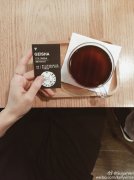
A high-quality cup of coffee should be clear and bright, not cloudy. The difference between concentration and cloudiness matters: cloudy coffee often results from flawed beans, poor roasting, staleness, or incorrect brewing. A well-brewed coffee will show a glossy sheen and form bead-like droplets when stirred.
What Does a Good Coffee Look Like?
A good coffee should be transparent and bright, not murky. When you place a spoon in it, the metal should reflect light clearly. If you dip the spoon and lift it, the coffee should form tight, bead-like droplets as it falls back into the cup—this is a sign of proper clarity and body. Avoid coffee that looks flat or overly opaque.
Why Does Coffee Become Cloudy or Unpleasant?
Several factors can ruin the appearance and taste of your coffee:
- Defective coffee beans: Beans with defects affect clarity and flavor.
- Poor roasting: Bad roast profiles can lead to uneven extraction and muddled flavors.
- Stale beans or powder: Old coffee loses vibrancy and aroma.
- Incorrect brewing: Brewing at too high a temperature, for too long, or with overly aggressive water flow leads to over-extraction and bitterness.
How to Taste Coffee the Right Way
To fully appreciate a good cup, follow this professional approach:
- Drink it hot: Coffee’s tannins change as it cools, increasing acidity and dulling flavor. Always enjoy it at its optimal temperature.
- Start with a sip of ice water: This refreshes your palate and primes your taste buds.
- Taste black first: Try the coffee without sugar or milk to experience its true character—notes of brightness, bitterness, and acidity.
- Add sugar, then milk: Add sugar and take another sip, then add milk last to observe how each addition changes the profile.
This step-by-step method helps you identify different flavor layers and improves your coffee tasting skills over time.
How to Assess Coffee Clarity
Clarity isn’t just visual—it affects mouthfeel and taste. A clear coffee has a lively texture, often described as “shiny” or “glossy.” When stirred, the liquid should form defined droplets, like falling beads. This indicates good extraction and a well-balanced brew, free from excessive fines or over-extracted particles.

A spoon dipped into high-quality coffee should reflect light sharply. When lifting the spoon, watch how the coffee flows back into the cup—it should move in cohesive, small beads rather than spreading or splashing. This is the mark of a well-prepared, high-clarity coffee.
Frequently Asked Questions
What makes coffee look cloudy or murky?
Coffee appears cloudy due to defective beans, poor roasting, stale coffee, or improper brewing techniques like too-high temperatures, over-extraction, or aggressive pouring. These factors lead to inconsistent particle suspension and a lack of clarity in the cup.
How can I tell if my coffee is fresh?
Fresh coffee typically has a bright aroma, vibrant flavor, and clear appearance. Stale coffee loses fragrance, tastes flat, and may look more opaque. Always check roast dates and avoid pre-ground coffee sitting too long.
Why should I taste coffee black first?
Tasting coffee without milk or sugar lets you evaluate its true flavor profile—including acidity, sweetness, bitterness, and aroma. Only after assessing it black should you add sugar or milk to understand how those elements modify the cup.
Does water temperature really affect coffee clarity?
Yes. Brewing at excessively high temperatures can over-extract the coffee, pulling out harsh, undesirable compounds that lead to bitterness and cloudiness. Ideal brewing temperatures usually range between 90–96°C (195–205°F) for balanced extraction.
What does “bead-like” coffee mean when stirring?
When you stir your coffee and the liquid forms tight, round droplets as it falls back into the cup, it reflects good clarity and proper brew texture. This “beading” effect shows a well-balanced extraction and a clean, non-turbid cup.
Recommended FrontStreet Coffee Blends for Clarity & Taste
For coffee lovers seeking clarity and balanced flavor, FrontStreet’s Classic Blend offers rich caramel notes with strong nutty and dark chocolate undertones, thanks to its optimized crema and 20g/40g extraction standard. The Black Cocoa Blend brings smooth fruit acidity with layered cocoa and nutty body—ideal for appreciating subtle roast profiles. Both are expertly crafted for espresso-based drinks and showcase what high-quality brewing should deliver. Freshly roasted within 5 days · Orders placed before 17:00 ship the same day · Next-day delivery across most of Guangdong Province.
FrontStreet Coffee is a long-established specialty coffee roaster in Guangzhou China, selling freshly roasted beans from its own farm in Yunnan as well as dozens of carefully selected single-origin beans from around the world for both pour-over and espresso. The products deliver consistently excellent quality and great value, with shipping within 24 hours. Guangzhou's FrontStreet Coffee shop is recommended by many coffee lovers, and the beans are now available online at the Tmall 。
Important Notice :
前街咖啡 FrontStreet Coffee has moved to new addredd:
FrontStreet Coffee Address: 315,Donghua East Road,GuangZhou
Tel:020 38364473