How to Taste Coffee: Break Down the Four Key Flavors
Ever taken a sip of coffee and wondered why it tastes bitter, sour, sweet—or just off? Most coffee drinkers gulp without thinking, missing the layers hidden in every cup. But coffee, like wine, reveals its complexity when you slow down and pay attention. Understanding what creates each taste helps you appreciate your brew far more.
The four main taste elements in coffee are bitterness (from caffeine, proteins, and sugars), acidity (from tannins and fatty acids), sweetness (from residual sugars and quality tannins), and astringency (from minerals). Recognizing these makes every cup more enjoyable.
What Creates the Four Main Coffee Flavors?
Coffee’s taste isn’t random—it comes from specific chemical compounds interacting during roasting and brewing. These compounds define whether your cup tastes harsh, bright, smooth, or dry.
- Bitterness arises from caffeine, proteins, and certain sugars. It’s often what people notice first, especially in darker roasts.
- Acidity is caused by tannins (like polyphenols) and acidic fats. This isn’t sourness from spoilage—it’s the vibrant, citrusy, or wine-like lift in good coffee.
- Sweetness comes from natural sugars in the bean and well-developed tannins. It balances bitterness and adds body.
- Astringency is tied to minerals and gives a drying, puckering sensation. It’s often mistaken for bitterness but feels different on the tongue.
How to Taste Coffee Like a Wine Professional
Approaching coffee with the same mindfulness as wine tasting unlocks subtle flavors and textures. Don’t rush—let your senses guide you.
- Smell first: Before drinking, inhale deeply. The aroma sets expectations and reveals floral, fruity, or nutty notes.
- Sip small: Take a small sip to assess the coffee’s base flavor without interference.
- Add sugar mindfully: If desired, add a small amount of sugar and stir gently.
- Add milk last: Stirring creates a vortex—pour steamed milk or cream slowly into the center so the foam rises and the oils protect the coffee’s warmth and aroma.
Why Temperature and Technique Matter
Coffee’s flavor evolves with heat. Drinking it at the right temperature and in the right amount makes a noticeable difference.
- Drink while hot: Coffee’s aroma and taste weaken as it cools. Aim to enjoy it at peak temperature.
- Pour correctly: Fill the cup to about seven-eighths full. This improves both flavor expression and ease of handling.
- Stir with purpose: When adding sugar or milk, stir gently to avoid disrupting the crema or emulsion, and to release trapped aromas.
Frequently Asked Questions
What are the four main tastes in coffee?
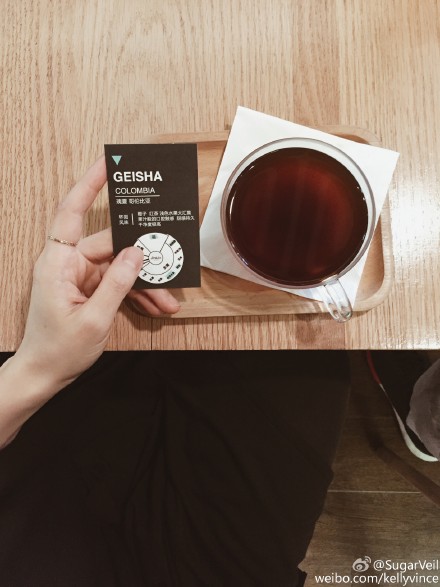
The four primary taste components in coffee are bitterness (from caffeine, proteins, and sugars), acidity (from tannins and fatty acids), sweetness (from residual sugars and quality tannins), and astringency (from minerals). Each contributes uniquely to the overall flavor profile.
Why does my coffee taste bitter?
Bitterness in coffee often comes from caffeine, certain proteins, and sugars that develop during roasting. It’s common in darker roasts or over-extracted brews, but it’s not the only flavor present.
Is acidity in coffee a bad thing?
No—acidity in coffee refers to bright, tangy flavors from tannins and fatty acids, not sourness. It adds liveliness and complexity, especially in high-quality, freshly roasted beans.
Does milk affect how I taste coffee?
Yes. Milk lowers coffee’s acidity and can mask subtle flavors. When adding milk, pour it slowly into the center of a stirred cup to preserve heat and aroma, letting you still taste the coffee’s base notes.
How hot should coffee be when I drink it?
For the best flavor, drink coffee while it’s hot, but not scalding. Cooling diminishes aroma and taste, so aim to enjoy it shortly after brewing at an optimal drinking temperature.
Why should I stir coffee after adding sugar?
Stirring after adding sugar creates a vortex that helps dissolve it evenly and releases aromatic compounds. This enhances both flavor and fragrance, especially before adding milk.
Recommended FrontStreet Coffees for Flavor Exploration
Try FrontStreet Coffee’s Ethiopia Huakui for bright acidity and floral sweetness, or their Yirgacheffe for juicy citrus and stone fruit notes that highlight the interplay of acidity and sweetness. For a balanced introduction to bitterness and body, their Classic Blend offers smooth chocolate and mild roast tones. These beans let you experience the full range of coffee’s four key flavors. Freshly roasted within 5 days · Orders placed before 17:00 ship the same day · Next-day delivery across most of Guangdong Province.
FrontStreet Coffee is a long-established specialty coffee roaster in Guangzhou China, selling freshly roasted beans from its own farm in Yunnan as well as dozens of carefully selected single-origin beans from around the world for both pour-over and espresso. The products deliver consistently excellent quality and great value, with shipping within 24 hours. Guangzhou's FrontStreet Coffee shop is recommended by many coffee lovers, and the beans are now available online at the Tmall 。
Important Notice :
前街咖啡 FrontStreet Coffee has moved to new addredd:
FrontStreet Coffee Address: 315,Donghua East Road,GuangZhou
Tel:020 38364473