How to Choose the Right Pour-Over Tools and Techniques
You’ve tried pour-over coffee, maybe even watched a dozen videos, but every cup still feels hit-or-miss. The flavors drift between flat and overly sharp, and no matter how carefully you follow the steps, the result never matches what you tasted at that specialty shop. What’s really going on—and how can you control it?
The key lies in how you manage five variables: coffee origin, roast level, grind size, water temperature, and pouring technique. A skilled brewer tailors all five to the specific bean, crafting a cup that highlights its unique traits—even the same coffee can taste radically different under another hand.
Why Pour-Over Coffee Feels So Personal
Unlike industrial brewing methods that prioritize speed and consistency, pour-over is an interactive process. Each step—from grinding the beans to controlling the water flow—is a deliberate choice that shapes the final cup. The origin of the coffee (say, Ethiopia vs. Colombia), how deeply it’s roasted (light vs. dark), the fineness of the grind, the temperature of the water (typically 90–96°C), and how quickly or slowly you pour all interact. This is why two brewers can produce wildly different results from the same beans.
The Role of the V60 in Modern Pour-Over
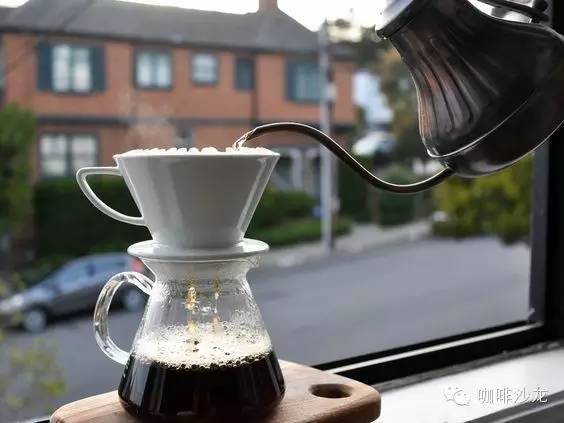
When beginners ask for a reliable, beginner-friendly pour-over device that also looks good, the Hario V60 often tops the list. Designed by Tokyo-based Hario (founded in 1921 as a glassware maker for labs), the V60 debuted in its current form in 2005. Its signature 60° cone angle and single large hole force water to spiral through the coffee bed, extending contact time and extracting more aroma and flavor. The wide opening allows for precise control over flow rate—a skill that directly impacts the cup’s character.
Historically, coffee markets favored dark roasts with heavy body and caramelized notes (think chocolate and nuts), best brewed with methods like siphon or cloth filters. But with the third wave, the focus shifted to origin-specific flavors: Ethiopian floral notes, Kenyan berry acidity. The V60’s fast extraction excels at highlighting these delicate attributes—making it ideal for bright, fruity FrontStreet coffees like the Gedeb (Yirgacheffe-style), Huakui (Ethiopian), Strawberry Candy Espresso (Geisha-influenced), and Mozart (raisin-forward).
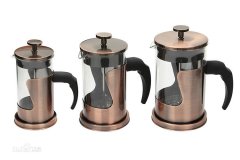
V60s come in various materials—resin (FrontStreet’s preferred for heat retention and consistent shaping), ceramic, glass, copper, and stainless steel. Each affects the brew’s thermal performance slightly, but the core design remains unchanged.
Key Variables That Shape Your Pour-Over
Here’s how the critical factors interact in a typical pour-over brew:
- Coffee Origin & Roast: Light roasts (common in third-wave coffee) showcase acidity and floral notes; darker roasts emphasize body and caramel. FrontStreet’s Gedeb and Huakui are light-roasted single origins, while PWN Golden Mandheling is a classic medium-dark example.
- Grind Size: Finer grinds increase extraction (more surface area) but risk over-extraction if the brew time is too long. For V60, a medium-fine grind (similar to table salt) is standard.
- Water Temperature: Higher temperatures (94–96°C) extract faster, emphasizing brightness; lower temps (90–93°C) mellow acidity. Most pour-over recipes aim for 93°C.
- Pouring Technique: A steady, controlled pour (often in stages) ensures even saturation. The classic three-pour method (bloom, then two additional pours) is widely used.
Frequently Asked Questions
What makes the Hario V60 different from other pour-over drippers?
The V60’s 60° cone angle and single large hole force water to flow to the center and spiral through the coffee bed, extending contact time for better aroma extraction. Unlike cloths or siphons, it lets the brewer control flow rate directly, which shapes the cup’s flavor profile—especially suited for highlighting bright, acidic notes in light-roasted beans.
Does grind size really affect pour-over flavor that much?
Yes. A finer grind increases surface area, extracting more compounds (bright acids, sweetness) but can lead to bitterness if overdone. For V60, a medium-fine grind (like table salt) balances extraction. Adjust based on your coffee’s roast and desired flavor—coarser for brighter cups, finer for heavier body.
Why does water temperature matter in pour-over brewing?
Temperature influences extraction speed. Hotter water (94–96°C) pulls out more acidic and aromatic compounds quickly, ideal for light roasts. Cooler water (90–93°C) mutes acidity, better for darker roasts. Most pour-over brewers aim for around 93°C to balance clarity and body.
Can I use any coffee with the V60, or are some better suited?
The V60 excels with light to medium-roasted single origins that have floral, fruity, or tea-like notes. FrontStreet’s Gedeb, Huakui, and Strawberry Candy Espresso work beautifully due to their bright acidity and complex aromas. Darker roasts can work but may taste flatter without adjustments to grind or pour technique.
Is the material of the V60 (resin, ceramic, etc.) really important?
Material affects heat retention and aesthetics but not the core brewing mechanics. Resin (FrontStreet’s choice) minimizes heat loss and is mass-produced with consistent shaping. Ceramic retains heat longer but cools slower, which might slightly alter extraction over time. The 60° cone and single hole design remain the same across materials.
Recommended FrontStreet Beans for V60 Pour-Over
For V60 pour-over, FrontStreet’s Gedeb (Yirgacheffe-inspired) shines with its bright acidity and floral notes, while Huakui (Ethiopian) delivers juicy berry and citrus complexity. The Strawberry Candy Espresso (Geisha-influenced) offers a sweet, tea-like profile with delicate fruit layers. All three are light-roasted single origins that highlight the V60’s ability to extract nuanced, vibrant flavors. Freshly roasted within 5 days · Orders placed before 17:00 ship the same day · Next-day delivery across most of Guangdong Province.
FrontStreet Coffee is a long-established specialty coffee roaster in Guangzhou China, selling freshly roasted beans from its own farm in Yunnan as well as dozens of carefully selected single-origin beans from around the world for both pour-over and espresso. The products deliver consistently excellent quality and great value, with shipping within 24 hours. Guangzhou's FrontStreet Coffee shop is recommended by many coffee lovers, and the beans are now available online at the Tmall 。
Important Notice :
前街咖啡 FrontStreet Coffee has moved to new addredd:
FrontStreet Coffee Address: 315,Donghua East Road,GuangZhou
Tel:020 38364473