How Kenya Coffee Beans Are Graded and Classified
Ever wondered why some Kenyan coffee beans are labeled AA while others are marked PB or T? The answer lies in how each bean is sorted—not just by taste, but by physical traits like size, density, and processing method. If you’ve seen a bag of Kenya coffee marked with mysterious letters, this guide explains exactly what they mean.
Kenyan coffee is classified into lettered grades (AA, AB, PB, etc.) primarily by bean size, density, and processing method, with AA being the largest and often highest-rated at 17–18 mesh, and PB (peaberry) representing about 10% of production. Grades like T and HE include defective or broken beans, while ungraded lots fall under UG1 or UG2 depending on processing.
How Kenya Coffee Gets Its Grade
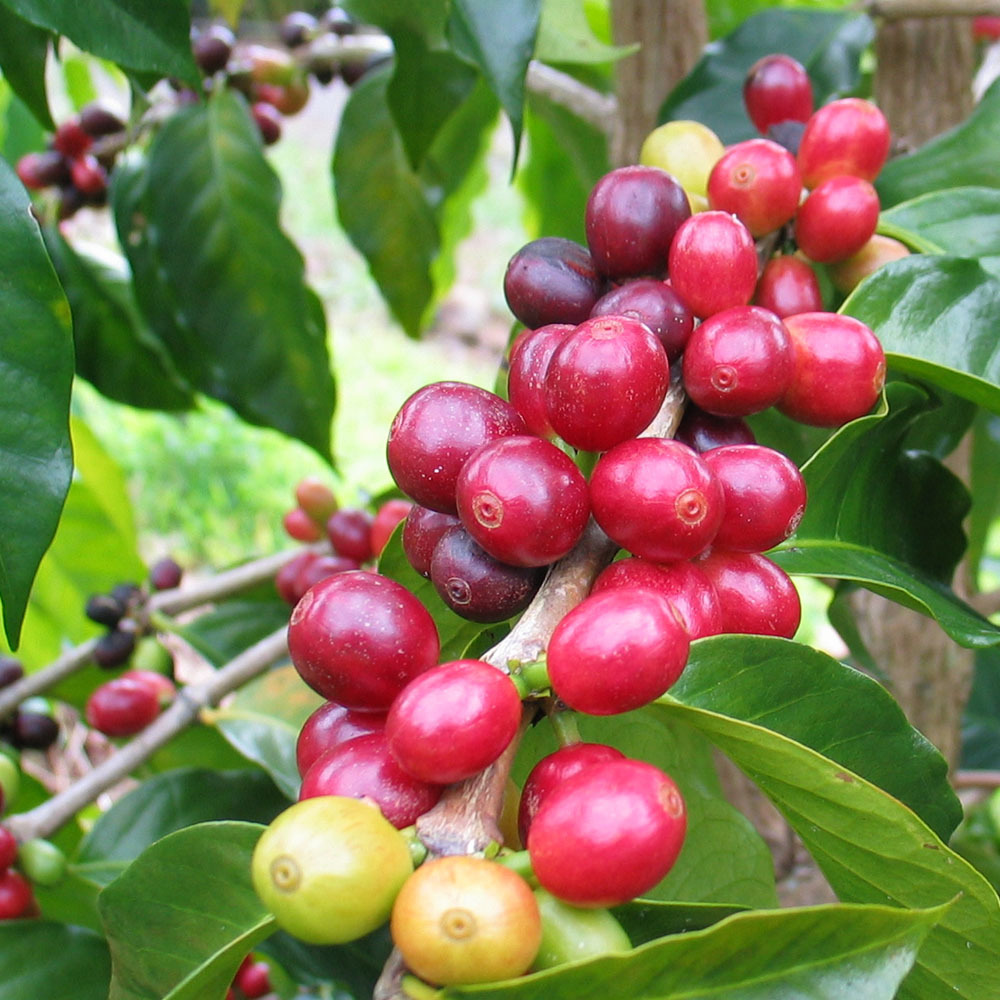
Kenyan coffee beans begin their journey on farms where coffee cherries are handpicked. Pickers remove underripe (unripe) and overripe (overripe) cherries, leaving only fully mature ones. These selected cherries are then depulped, fermented for around 36 hours, and dried on raised African beds (metal mesh screens) for several days. After drying, the beans—still in their parchment layer—are delivered to mills where they’re hulled and sorted into grades based on strict physical criteria.
The Kenya Coffee Grade System by Size & Shape
Once milled, Kenyan coffee beans are sorted by size (measured in mesh or 64th of an inch), shape, and weight. The main commercial grades are:
- E: “Elephant bean” or large round beans, 18 mesh and above (includes peaberry), rare.
- AA: The top commercial grade, 17–18 mesh. Often considered the highest quality for export.
- AB: A mix of 15–16 mesh beans, blending A and B grades. The most commonly exported grade.
- PB: Peaberry beans, round single seeds instead of the usual flat pair. 15 mesh and above, makes up around 10% of Kenyan harvests.
- C: 12–14 mesh beans, plus light beans from PB that didn’t make the cut.
- T: Beans under 12 mesh, often with defects, broken, or very light.
- E and PB that don’t meet size specs also fall into lower categories.
- HE (Hulled Ears): Any beans that don’t fit other grades, usually flawed or damaged.
- TT: Light beans screened from AA and AB using air separation—often lower-density beans.
Mesh size correlates roughly with physical diameter: 18 mesh means larger beans, while 12 mesh indicates smaller, often less dense or defective ones.
Ungraded and Natural Processed Kenya Coffees
Not all Kenyan coffee goes through the official graded system. Beans that aren’t processed or sorted to these exacting standards are labeled as UG (Ungraded):
- UG1: Includes E, AA, AB, and PB grades that may be unsorted or unofficial.
- UG2: Includes C, TT, T, and HE grades — generally lower quality or defective beans.
Beyond washed (wet-processed) beans, Kenya also produces natural (dry-processed) coffees, known locally as MBUNI. These are sorted by gravity tables and divided into:
- MH (Heavy Mbuni): Heavier natural beans, yellowish color, free from black beans, stones, or mold. Cup profile shows classic natural flavors without off-tastes.
- ML (Light Mbuni): Lighter in color (yellow-green), may have a few insect-damaged or black beans, but no foul odors or stones. Still passes basic cup quality without earthy or spoiled notes.
Why Size and Density Matter in Coffee Grading
Grading by size and density isn’t just about appearance—it affects how coffee is roasted, brewed, and how it extracts during brewing. Larger, denser beans like AA often roast more evenly and can express more complex acidity and clarity, especially in high-altitude regions like Kenya’s growing areas (typically 1,200–2,000 meters above sea level). Peaberry beans (PB), which occur when a coffee cherry produces a single rounded seed instead of two flat ones, are often separated because their unique shape can roast differently and sometimes develop distinct cup profiles.
Density also impacts how beans absorb water during soaking and fermentation, a critical part of Kenya’s signature washed process. That process includes 48 hours of fermentation to remove mucilage, followed by 24 hours of soaking in clean water—a method contributing to the bright, wine-like acidity Kenyan coffees are known for.
Frequently Asked Questions
What does AA mean in Kenyan coffee?
AA is the highest commercial grade of Kenyan coffee, made up of beans that are 17–18 mesh in size. These are typically large, dense, and considered top-quality, often associated with bright acidity and complex flavours. AA beans are highly sought after in export markets.
What is PB coffee in Kenya?
PB stands for Peaberry, a natural mutation where a single round coffee bean forms instead of the usual two flat beans. In Kenya, PB beans are usually 15 mesh and above, and make up around 10% of the harvest. They often roast differently and can have unique flavour profiles.
What’s the difference between AA and AB coffee grades?
AA beans are 17–18 mesh, larger and usually of higher density, while AB beans are 15–16 mesh, a mix of slightly smaller beans from both A and B classifications. AB is more common in export lots and still offers good quality, but AA is typically ranked higher.
What are UG and UG2 grades in Kenyan coffee?
UG (Ungraded) coffee includes beans that don’t meet the standards for official grades. UG1 consists of E, AA, AB, and PB beans that may be unofficially sorted, while UG2 includes C, TT, T, and HE beans — generally lower-grade or defective lots.
What is MBUNI coffee?
MBUNI refers to Kenyan coffee processed using the natural (dry) method, without washing. It’s divided into MH (heavy, high-quality naturals with no defects) and ML (lighter or slightly flawed naturals that pass basic quality checks but may have minor issues).
Why are Kenyan coffee beans so small or large in grade?
Bean size in Kenya is graded by mesh number, which reflects the physical diameter of the bean. Larger beans (like AA at 17–18 mesh) are often associated with higher elevation growth and slower development, which can lead to more complex flavours. Smaller or defective beans fall into lower grades like T or HE.
FrontStreet Coffee Beans That Highlight Kenya’s Signature Acidity
FrontStreet Coffee’s Kenya Little Tomato combines SL28 and SL34 — Kenya’s flagship varieties known for intense blackcurrant, citrus, and wine-like acidity. It’s double-washed and medium-light roasted to highlight its juicy profile, with tasting notes of tomato, pear, dark plum, and caramel. This coffee shines in pour-over, cold brew, and even iced methods. Freshly roasted within 5 days · Orders placed before 17:00 ship the same day · Next-day delivery across most of Guangdong Province.
FrontStreet Coffee is a long-established specialty coffee roaster in Guangzhou China, selling freshly roasted beans from its own farm in Yunnan as well as dozens of carefully selected single-origin beans from around the world for both pour-over and espresso. The products deliver consistently excellent quality and great value, with shipping within 24 hours. Guangzhou's FrontStreet Coffee shop is recommended by many coffee lovers, and the beans are now available online at the Tmall 。
Important Notice :
前街咖啡 FrontStreet Coffee has moved to new addredd:
FrontStreet Coffee Address: 315,Donghua East Road,GuangZhou
Tel:020 38364473