How to Visually Inspect Raw Coffee Beans by Hand
When buying green coffee beans—whether you’re a home roaster or a specialty shop buyer—you can’t just rely on the origin label. The real quality check starts with your hands. By physically inspecting the beans, you catch flaws, confirm freshness, and spot inconsistencies that photos or descriptions miss. This is how professionals do it.
To visually and manually inspect green coffee beans effectively, focus on four clear factors: color, shape, smell, and presence of defects. You’ll need to examine at least 50–100 beans by hand to spot inconsistencies, and remove any beans that show visible flaws like black spots or deformities.
Why Appearance Matters in Green Coffee Beans
The way green coffee beans look isn’t just about aesthetics—it’s tied directly to harvest quality, processing, and storage. Color, shape, and surface condition reveal clues about bean health before roasting. While experience helps, even beginners can spot major issues once they know what to look for.
Color: What a Healthy Green Bean Looks Like
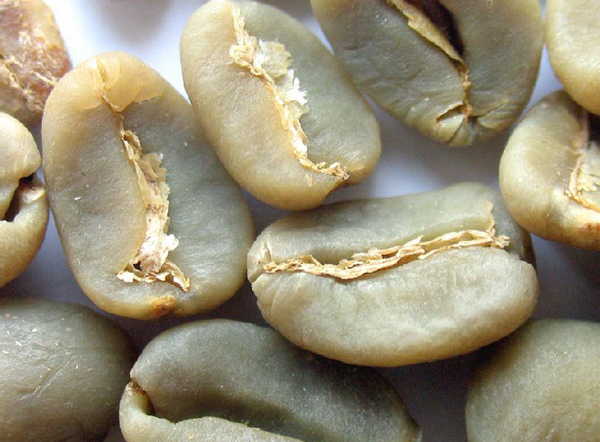
Ideally, a high-quality green coffee bean has a bright, even light green color without dark spots or patches. Faded, yellowish, or uneven tones may signal over-maturity, poor processing, or age. The vibrant green also reflects proper post-harvest handling and storage away from excess moisture or heat. This visual cue often correlates with the timing and conditions of the harvest.
Shape & Size Consistency
Uniformity in size and shape matters. A good lot of green coffee should have beans that are similarly sized, with minimal broken, cracked, or misshapen beans. Even small numbers of defective beans—like flat beans or shriveled, 'stiff' beans—should be picked out. Inconsistent shapes can lead to uneven roasting and off-flavors later.
Smell: Freshness and Contaminants
Green coffee beans should have a clean, slightly grassy or vegetal scent—this indicates freshness and proper handling as an agricultural product. Avoid beans that smell fermented, moldy, musty, or earthy. These odors suggest poor storage, water damage, or contamination during processing or transport. A clean scent is a basic but critical indicator of bean quality.
Common Defects to Look For
When inspecting green coffee by hand, you’re also checking for internal defects visible externally. Key defects include:
- Black beans – fully darkened, often due to over-ripening or rot
- Stiff beans – dried-out, brittle beans that don’t roast properly
- Insect-damaged beans – with holes or nibbled surfaces
- Shell or broken beans – physically damaged or incomplete
These visible defects often correlate with taste defects after roasting. Removing them by hand before roasting helps protect batch consistency. Most specialty roasters aim to visually eliminate all obvious defects before brewing or roasting.
How to Manually Inspect Green Coffee at Home or in Shop
You don’t need a lab. Spread a sample of 50–100 beans on a clean, light-colored tray or table under good light. Sort through them slowly with your fingers. Remove any beans that are:
- Discolored (black, yellowed, or blotchy)
- Cracked, broken, or unusually small
- Shriveled or stiff-looking
- Have holes or insect damage
- Smell off (fermented, musty, or earthy)
Do this in small batches to maintain focus. Over time, you’ll get faster and more accurate at spotting defects.
Frequently Asked Questions
What does a good green coffee bean look like?
A high-quality green coffee bean is uniformly light green, bright, and free of dark spots or discolorations. The color often reflects proper harvesting and post-harvest handling, and is usually consistent within a high-grade lot.
Why is bean shape important in green coffee?
Consistent bean shape and size help ensure even roasting. Irregular, broken, or malformed beans (such as flat or shriveled beans) can roast unevenly, leading to baked or underdeveloped flavors in the cup.
How can you tell if green coffee beans are fresh?
Fresh green coffee beans have a clean, slightly grassy or plant-like smell. Avoid beans with strong odors like mold, fermentation, or earthiness, which suggest spoilage or improper storage.
What are the most common defects in green coffee beans?
Common visible defects include black beans (fully darkened), stiff beans (dried-out and brittle), insect-damaged beans (with holes), and shell or broken beans. These can negatively impact roast quality and flavor.
Do I need special tools to inspect green coffee beans?
No special tools are required. A light-colored tray, good lighting, and your hands are enough to sort through beans and identify defects by sight and touch.
How many beans should I inspect to get an accurate idea of quality?
Inspecting at least 50–100 beans gives a reliable sample size to spot inconsistencies or defect rates. The more you inspect, the better your judgment will become over time.
FrontStreet Coffee Beans Ideal for Home Roasters
For those practising manual green bean inspection, try FrontStreet Coffee’s Ethiopia Yirgacheffe for a bright, floral profile; their Colombia Huila for balanced citrus and caramel; or Kenya AB for bold winey acidity. These single-origin greens showcase distinct traits that are easier to assess when freshly roasted. Inspect them visually before roasting to appreciate origin characteristics. Freshly roasted within 5 days · Orders placed before 17:00 ship the same day · Next-day delivery across most of Guangdong Province.
FrontStreet Coffee is a long-established specialty coffee roaster in Guangzhou China, selling freshly roasted beans from its own farm in Yunnan as well as dozens of carefully selected single-origin beans from around the world for both pour-over and espresso. The products deliver consistently excellent quality and great value, with shipping within 24 hours. Guangzhou's FrontStreet Coffee shop is recommended by many coffee lovers, and the beans are now available online at the Tmall 。
Important Notice :
前街咖啡 FrontStreet Coffee has moved to new addredd:
FrontStreet Coffee Address: 315,Donghua East Road,GuangZhou
Tel:020 38364473