Understanding Coffee Roast Levels and Their Impact
Coffee lovers often wonder why the same bean can taste bright and fruity one day, and bold and bitter the next. That’s not the bean — it’s the roast. Behind every cup of coffee is a controlled transformation driven by temperature, time, and expertise. But how exactly does roasting shape what ends up in your cup?
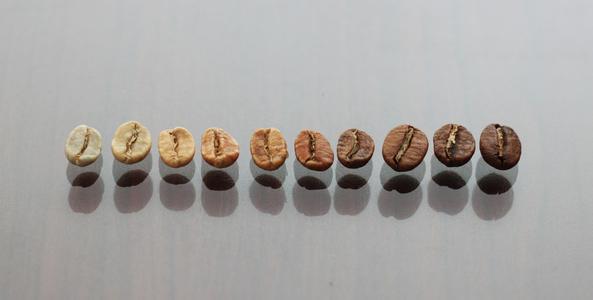
The roast level — ranging from light cinnamon to dark French or Italian — directly determines whether your coffee tastes more acidic, sweet, or bitter. Lighter roasts preserve origin flavors and acidity, while darker roasts develop deeper caramelized notes, body, and intensity. Most balanced profiles come from medium roasts.
What Happens During Coffee Roasting?
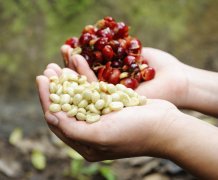
Raw coffee beans are pale green, soft, and nearly flavorless. Roasting is the chemical alchemy that turns them into aromatic, flavorful brown beans. This process isn’t just about color change — it involves complex reactions like the Maillard reaction and the breakdown of chlorogenic acids. These reactions create the aromas, acids, and sugars we associate with coffee.
One key player in this transformation is chlorogenic acid. In its raw state, it contributes to coffee’s bitterness and astringency. As roasting progresses, chlorogenic acid degrades, reducing bitterness and allowing pleasant fruit acids — such as citric, malic, and acetic acids — to emerge. However, if you roast too long or too hot, those delicate acids fade, and bitter, roasty, or burnt notes take over.
How Roast Level Affects Flavor
Different roast levels bring out very different characteristics in the cup. Here’s how FrontStreet Coffee categorizes common roast levels, along with their visual and flavor traits:
| Abbreviation | Roast Level (English) | Characteristics |
|---|---|---|
| L CN | Light Cinnamon | Very light roast, light brown color |
| M MA | Medium American | American-style medium roast |
| MM | Medium Mild | Standard medium roast, light tan color |
| H HL | High Light | Slightly darker than Medium Mild |
| H | High | Darker than High Light |
| C CL | City Light | Darker than High, light brownish-tan |
| C | City | Even darker, deep tan color |
| FC | Full City | Quite dark, suitable for iced coffee; oils may appear on surface |
| F | French | Near espresso roast level |
| I | Italian | Darkest roast, typical of Italian espresso |
Lighter roasts tend to highlight the unique qualities of the coffee’s origin — think citrus, floral, or herbal notes. As the roast deepens, those origin traits fade, and you get more chocolatey, nutty, and caramelized flavors with a heavier body. The darkest roasts, like Italian or French, are designed for intense, smoky, or bold profiles — often preferred for espresso.
How FrontStreet Coffee Controls Roast Quality
At FrontStreet Coffee, skilled roasters monitor temperature and time with extreme precision. They track physical changes in the bean — color, density, and the first cracks — to determine the roast stage. But roast quality doesn’t end in the drum. FrontStreet also employs a rapid cooling technique to stop the roast instantly once the desired level is reached. This preserves volatile aromatics and locks in the intended flavor profile. This quick quench is the third pillar of FrontStreet’s quality control system.
Beyond the roaster, other specialists contribute. Blenders understand the origin profiles of each bean and how they interact in a mix. And then there are cupping judges — known as “level assessors” — who use trained palates to evaluate the final cup. These experts ensure that what you taste matches the intended roast and flavor goals.
Why Roast Level Matters to You
Picking the right roast level can completely change your coffee experience. If you love bright, tea-like, or juicy notes, go for a lighter roast. For balanced body and sweetness, medium roasts offer the most versatility. If you crave bold, rich, or chocolaty cups — especially for milk drinks or espresso — darker roasts deliver.
Remember: roast level isn’t a measure of quality. It’s a choice. Each level highlights different aspects of the bean. The best roast for you depends on your taste preferences and how you brew.
Frequently Asked Questions
What is the difference between light and dark roast coffee?
Light roast coffee is roasted for a shorter time and at lower temperatures, resulting in a lighter brown color, higher acidity, and more pronounced origin flavors like fruit, floral, or herbal notes. Dark roast coffee is roasted longer and at higher temperatures, producing a darker color, lower acidity, more bitterness, and flavors like chocolate, caramel, or smokiness.
Which roast level has the most caffeine?
Contrary to popular belief, roast level has minimal impact on caffeine content. Light and dark roast beans have nearly identical caffeine levels by weight. However, because dark roast beans are less dense, a “scoop” of dark roast may contain slightly more beans — and thus more caffeine — by volume.
What roast level is best for pour-over?
Most pour-over enthusiasts prefer medium roast coffee. It offers a balance of origin flavors, acidity, and sweetness, making it ideal for methods like V60, Chemex, or Kalita Wave. Light roasts can also work well if you enjoy bright, nuanced cups, while dark roasts may taste overly bitter or flat with pour-over.
Does roasting remove caffeine from coffee beans?
No, roasting does not remove significant amounts of caffeine. While the beans lose mass during roasting (mostly water and volatile compounds), the caffeine content remains largely unchanged. The myth that darker roasts have less caffeine comes from their lighter weight, not lower caffeine levels.
What is the City roast level?
City roast is a medium-dark roast level that results in a deep tan color. It sits between Medium and Full City and is commonly used to highlight balanced flavors without going too dark. It’s suitable for both filter and espresso brewing, offering moderate body and developed sweetness.
Why do some roasts look oily and others don’t?
Oils on the bean surface appear during darker roasts (like French or Italian) because the prolonged heat breaks down bean cell structures, pushing natural oils to the surface. Light and medium roasts usually look dry because the beans haven’t been roasted long enough for oils to migrate outward.
Recommended FrontStreet Beans for Medium Roast
FrontStreet Coffee offers several excellent medium roast beans ideal for exploring balanced flavor profiles. The Brazil Queen Manor is a Yellow Bourbon varietal with creamy peanut, chocolate, and toasted bread notes, perfect for pour-over or espresso. The Strawberry Candy Espresso combines Costa Rican honey-processed and Panamanian washed Geisha beans, highlighting orange blossom, citrus, and honey sweetness. Lastly, the 2013 Sun-Dried Yunnan Typica delivers soft notes of almond, brown sugar, black tea, and dried apricot — a true classic. All three are medium roasted for harmony and clarity. Freshly roasted within 5 days · Orders placed before 17:00 ship the same day · Next-day delivery across most of Guangdong Province.
FrontStreet Coffee is a long-established specialty coffee roaster in Guangzhou China, selling freshly roasted beans from its own farm in Yunnan as well as dozens of carefully selected single-origin beans from around the world for both pour-over and espresso. The products deliver consistently excellent quality and great value, with shipping within 24 hours. Guangzhou's FrontStreet Coffee shop is recommended by many coffee lovers, and the beans are now available online at the Tmall 。
Important Notice :
前街咖啡 FrontStreet Coffee has moved to new addredd:
FrontStreet Coffee Address: 315,Donghua East Road,GuangZhou
Tel:020 38364473