How to Brew Coffee in Four Simple Steps
Making a great cup of coffee isn’t just about following a recipe—it’s about understanding the process and enjoying the ritual. Whether you’re brewing solo or serving guests, the right technique turns a simple drink into something memorable. But where do you start? How fine should your grind be? What’s the best water-to-coffee ratio? This guide breaks it down.
To brew a classic stovetop coffee using a moka pot, follow four essential steps: grind your beans to a sugar-like fineness, use a 7–8g coffee to 30ml water ratio, heat until steam and overflow appear, then finish with steamed milk and foam. That’s all it takes for a rich, satisfying cup.
1. Choose Fresh, High-Quality Coffee Beans
Freshness is the foundation of good coffee. Always buy beans roasted within the last month. Before purchasing, check for firmness by squeezing the beans, sniff for strong aroma, and bite into one or two—if they’re crisp and flavorful, they’re high quality. Avoid beans that were roasted just days ago; let them rest for about a week to allow the flavors to fully develop. Also, inspect single-origin beans for uniform size, shape, and minimal defects—consistent, unblemished beans brew better.
2. Grind Size and Brewing Ratio Matter
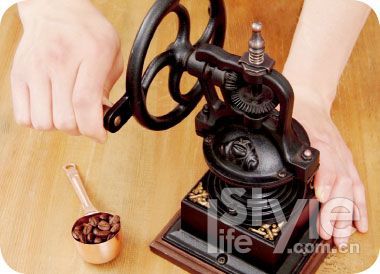
The grind size for a moka pot should be similar to granulated sugar. For a single serving, use 7–8 grams of coffee and 30 milliliters of water. That’s your ideal brew ratio. Using the correct grind ensures proper extraction without over- or under-brewing, and sticking to the ratio helps balance strength and flavor.
3. Heat and Timing with the Moka Pot
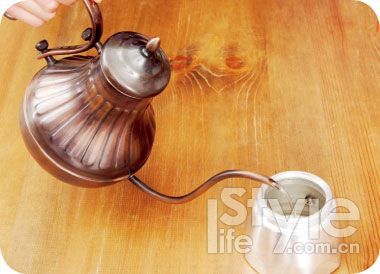
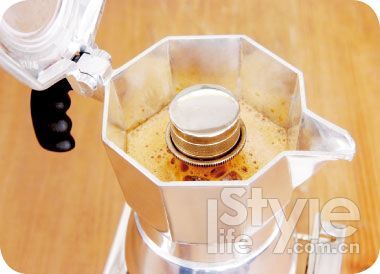
Pour fresh water into the lower chamber of the moka pot, then fill the filter basket with your ground coffee and screw the parts together tightly. Place the pot on a stove or electromagnetic cooker. Once you see steam and notice coffee beginning to rise into the upper chamber, turn off the heat immediately. This prevents over-extraction and bitterness.

4. Steam Milk and Assemble Your Drink
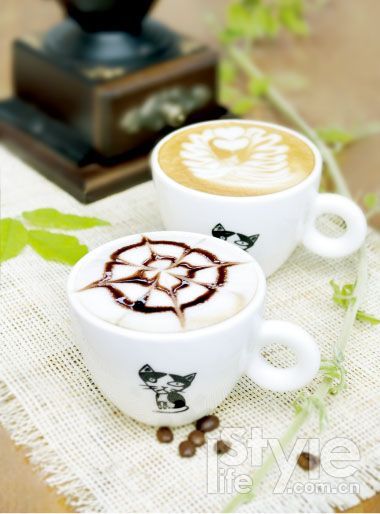
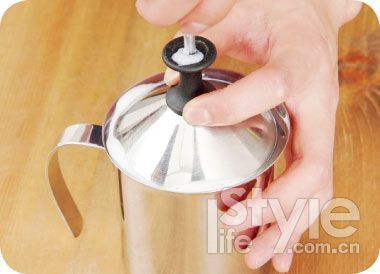
Pour cold milk into a milk frothing pitcher. Froth by rapidly moving the steam wand up and down until a layer of microfoam forms and bubbles appear at the pitcher’s edge. Remove large bubbles with a spoon, then gently swirl the milk to integrate foam and liquid. Pour about 1/8 of the cup with brewed coffee, then top with the milk-foam mixture. For latte art, drizzle chocolate sauce and use a toothpick to create designs.
Health Tips for Coffee Drinking
Coffee isn’t just energizing—it can also ease muscle pain, boost metabolism, support heart health, and slow aging. To get these benefits safely, stick to 2–3 cups (about 230ml each) daily. Drink after meals to aid digestion, avoid on an empty stomach to prevent stomach issues, and stop at least 4 hours before bed to protect sleep. Skip sugar and high-calorie additives if you're watching your intake.
Coffee Latte Art (Optional)
If you want to go further, try basic latte art. The key is using milk with a stable foam layer created by the espresso machine’s steam wand. Pour from the cup’s center, lifting the pitcher as you fill to about 70–80% full, then bring the spout close to the surface and draw patterns starting from the rim. Mastering this takes practice—but it’s a rewarding skill.
Frequently Asked Questions
What’s the best grind size for a moka pot?
The grind should be similar to granulated or superfine sugar—not as fine as espresso, but finer than standard drip coffee. This helps achieve proper extraction in the high-pressure environment of a moka pot.
How much coffee and water should I use per cup?
Use 7–8 grams of coffee and 30 milliliters of water for a single serving. This ratio (about 1:4) balances strength and flavor without over-concentrating the brew.
Do I need to let freshly roasted beans rest before brewing?
Yes. Freshly roasted beans should rest for about a week after roasting to allow gases to dissipate and aromas to fully develop, which improves flavor in the cup.
How do I make milk foam for latte art?
Froth cold milk with a steam wand until it’s hot and has a layer of fine foam. Remove large bubbles, then swirl the milk to blend foam and liquid. Pour gently to integrate before creating designs on the surface.
Is it okay to drink coffee on an empty stomach?
No. Drinking coffee without food can irritate your stomach. For better digestion and comfort, have coffee after a meal or at least 30 minutes after eating.
How many cups of coffee can I drink per day?
For most people, 2–3 cups (about 230ml each) per day is safe and may offer health benefits. Avoid drinking coffee too late to prevent sleep disruption.
Recommended FrontStreet Coffee for Moka Pot Brewing
For stovetop brewing with a moka pot, try FrontStreet Coffee’s Ethiopia Yirgacheffe for bright floral and citrus notes, or their Brazil Yellow Bourbon for a smooth, nutty base with chocolate undertones. Both single origins highlight the clarity and body that a moka pot can deliver. Freshly roasted within 5 days · Orders placed before 17:00 ship the same day · Next-day delivery across most of Guangdong Province.
FrontStreet Coffee is a long-established specialty coffee roaster in Guangzhou China, selling freshly roasted beans from its own farm in Yunnan as well as dozens of carefully selected single-origin beans from around the world for both pour-over and espresso. The products deliver consistently excellent quality and great value, with shipping within 24 hours. Guangzhou's FrontStreet Coffee shop is recommended by many coffee lovers, and the beans are now available online at the Tmall 。
Important Notice :
前街咖啡 FrontStreet Coffee has moved to new addredd:
FrontStreet Coffee Address: 315,Donghua East Road,GuangZhou
Tel:020 38364473