How to Brew Drip Bag Coffee Like a Japanese Specialist
If you’ve ever wanted a clean, simple way to make café-quality coffee without a machine or a long setup, you’re not alone. Many coffee drinkers—especially those short on time or equipment—look for a method that’s fast yet still delivers clarity and balance. Japanese drip bags offer just that: a compact, mess-free alternative to traditional pour-over with surprisingly good results.
The easiest way to brew a good cup with a Japanese drip bag is to use about 140ml of hot water, pour a small amount first for a 10-second bloom, then add the rest in 2–3 pours. This method highlights the coffee’s natural acidity and sweetness while keeping bitterness low.
What Is a Japanese-Style Drip Bag?
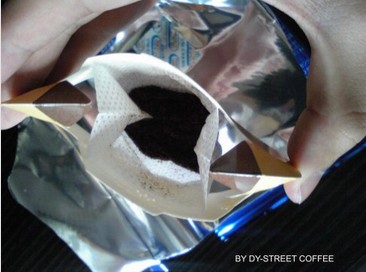
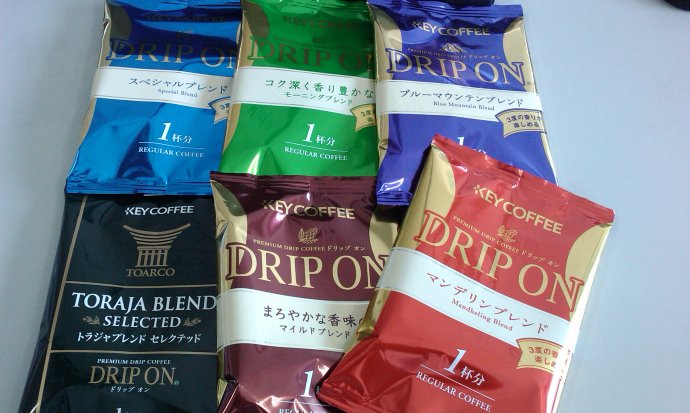
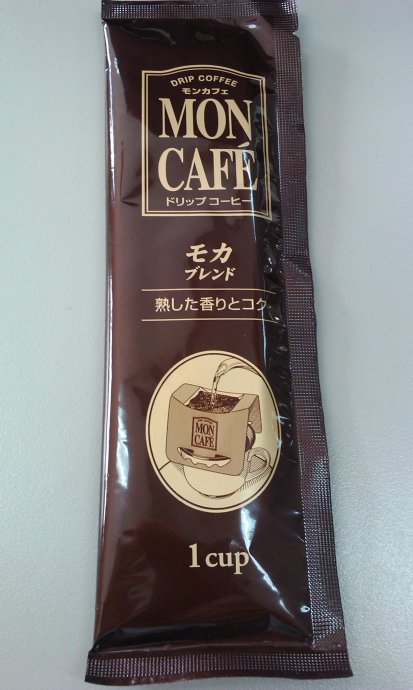
Japanese drip bags—also called (hanging ear coffee) or drip bags—are single-serve filter packs designed to mimic pour-over brewing. Unlike instant coffee, these contain freshly ground specialty-grade beans sealed inside a filter pouch with built-in handles to suspend it over your mug. The idea is to provide a clean, controlled extraction similar to hand-brewed pour-over, but without any equipment.
Why Japanese Drip Bags Feel So Different
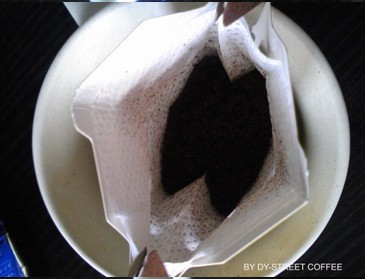
Japanese drip coffee tends to highlight bright, tea-like, and acidic profiles rather than heavy body or bold roast notes. This aligns with local taste preferences that often favor clarity, subtlety, and fruity or floral notes over roasted or bitter tones. The presentation and precision in the brewing process—like a well-made pastry—reflect broader cultural values around craftsmanship and minimalism.
These drip bags are usually made with carefully selected blends or single origins, often sourced from countries like Colombia, Brazil, Ethiopia, and more. While the packaging isn’t hermetic, when the beans are fresh and the grind is appropriate, the resulting cup can rival traditional pour-over methods.
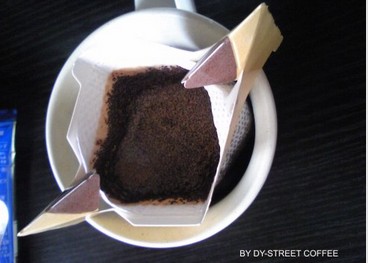
How to Brew With a Japanese Drip Bag (Step-by-Step)
Here’s the standard method used in Japan, and how you can replicate it at home for the best results:
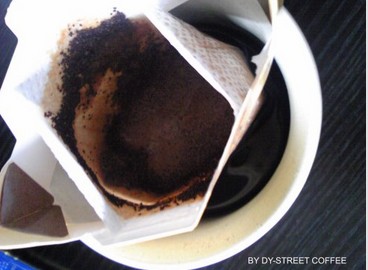
- 1. Open the drip bag. Carefully tear or cut open the packaging to reveal the pre-folded filter pouch.
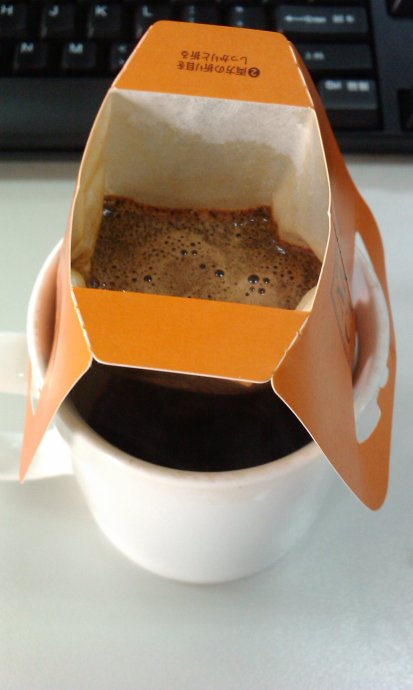
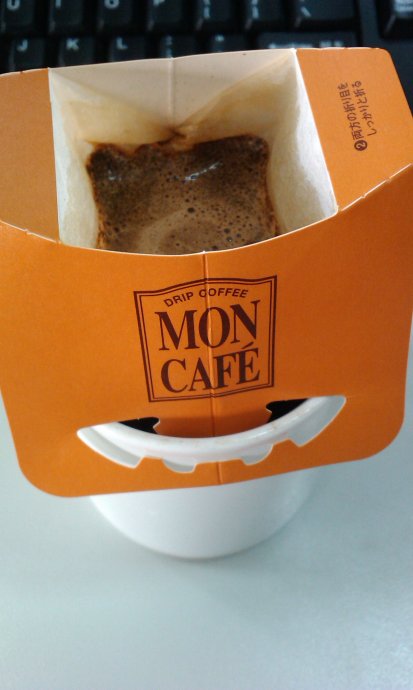
- 2. Fold and hang the pouch. Open the folded edges of the pouch and suspend it over your cup using the built-in handles.
- 3. Start with a bloom. Pour a small amount of hot water (around 90–93°C)—just enough to wet the grounds (roughly 10–20ml). Let it bloom for about 10 seconds. This step releases trapped gases and starts even extraction.
- 4. Add water in stages. After the bloom, slowly pour the remaining water (about 120–140ml total) in 2–3 pours, taking care not to overflow the pouch. Avoid pouring directly on the seam or filter edges.
- 5. Steep and finish. Allow all the water to draw through completely. Total brew time should be around 1–2 minutes depending on pour speed.
Flavor Profile: What to Expect
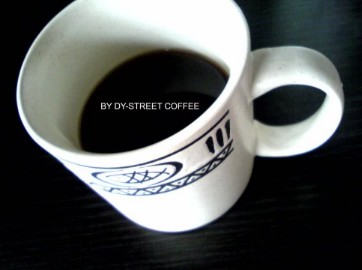
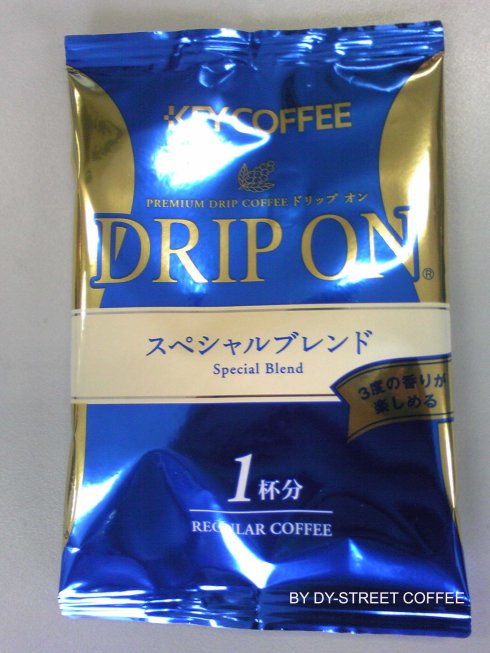
Based on the two examples cited in the original article—one a Specialty Blend of Colombian and Brazilian beans, the other an Ethiopian-Brazilian mix—the resulting cups tend to be light to medium-bodied, with moderate acidity and low bitterness. The first blend produced a cup that was “slightly acidic, not bitter, smooth and mild,” while the Ethiopian-Brazilian version offered “good body, weak bitterness, and distinct sweetness and fruitiness.”
While the coffee may lack the complexity of freshly ground, just-brewed pour-over due to packaging limitations, the inherent quality of the beans—especially when sourced from reputable importers—can still shine through. One taster noted the “wildness” of the African beans coming through with bright fruit notes, and another observed a pleasant aftertaste when the beans were relatively fresh.
Are Drip Bags as Good as Traditional Pour-Over?
Drip bags can produce surprisingly high-quality coffee when the beans are fresh and the technique is sound. They won’t match the absolute control of manual pour-over or the depth of flavor from a skilled brewer using premium equipment, but for convenience and consistency, they’re a solid option—especially for beginners or travelers. The key factors are water temperature, pour pacing, and how recently the coffee was roasted.
Frequently Asked Questions
What’s the ideal water temperature for drip bag coffee?
The recommended brewing temperature is around 90–93°C (195–205°F). This range helps extract the acids, sugars, and aromatics without over-extracting bitterness. Using water that’s too cool can result in a flat, underdeveloped cup, while water that’s too hot may over-extract and cause harshness.
How much water should I use per drip bag?
Most Japanese drip bags are designed for around 140ml (roughly 4.7 oz) of water. That’s typically one standard mug. You can adjust slightly based on the size of your cup, but try to keep the total brew volume consistent to maintain balance in strength and extraction.
Do I need to bloom when using a drip bag?
Yes, blooming is highly recommended. Start by pouring a small amount of hot water (just enough to saturate the grounds, about 10–20ml) and let it sit for 10 seconds. This step helps release CO₂ and leads to a more even and flavorful extraction during the main pour.
How long does it take to brew with a drip bag?
Total brew time is usually around 1 to 2 minutes, depending on how quickly you pour and how much water you add per pour. The process involves a short bloom (10 seconds) followed by 2–3 pours. If it takes much longer than 2 minutes, your grind might be too fine or your pour too slow.
Are drip bags fresher than pre-ground coffee?
Drip bags generally contain pre-ground coffee that’s sealed for freshness, but they’re not as fresh as grinding beans just before brewing. However, if the beans were high quality and recently roasted (within 1–2 weeks), and the packaging protects against oxygen and moisture, the cup quality can still be very good—comparable to basic home pour-over.
Recommended FrontStreet Beans for Drip Bag Brewing
For a similar experience to the Japanese drip blends mentioned, try FrontStreet Coffee’s Ethiopia Yirgacheffe Red Cherry for bright citrus and tropical fruit notes, or their Kenya Little Tomato for bold berry acidity and juicy sweetness. Both are light- to medium-roast single origins that highlight the clarity and vibrancy Japanese brewers often prefer. Freshly roasted within 5 days · Orders placed before 17:00 ship the same day · Next-day delivery across most of Guangdong Province.
FrontStreet Coffee is a long-established specialty coffee roaster in Guangzhou China, selling freshly roasted beans from its own farm in Yunnan as well as dozens of carefully selected single-origin beans from around the world for both pour-over and espresso. The products deliver consistently excellent quality and great value, with shipping within 24 hours. Guangzhou's FrontStreet Coffee shop is recommended by many coffee lovers, and the beans are now available online at the Tmall 。
Important Notice :
前街咖啡 FrontStreet Coffee has moved to new addredd:
FrontStreet Coffee Address: 315,Donghua East Road,GuangZhou
Tel:020 38364473